📖 Why Build Mode Design Inspiration Matters
The Heart of Paralives: Why Build Mode Changes Everything
Unlike traditional life simulation games where building feels like an afterthought, Paralives places Build Mode at the absolute core of its identity. The revolutionary Parametric building system allows you to create curved walls, split-level floors, custom-shaped rooms, and architectural details that were previously impossible in simulation games.
This isn't just about placing walls and furniture—it's about expressing your creativity through architecture. Whether you're a complete beginner who's never built anything before or an experienced architect looking to push boundaries, having a well-curated collection of design inspiration can transform your building experience from frustrating to exhilarating.
Why Design Inspiration is Essential for Your Building Journey
- Overcome Builder's Block: Staring at an empty lot can be intimidating. Pre-planned concepts give you a starting point and direction.
- Learn Architectural Principles: Each design teaches you about proportions, flow, functionality, and aesthetic balance.
- Develop Your Unique Style: By exploring diverse styles—from Victorian to Cyberpunk—you'll discover what resonates with your personal taste.
- Master Build Mode Tools: Different designs require different techniques, naturally expanding your skill set.
- Create Meaningful Stories: A well-designed home becomes the backdrop for your Para's life story and memories.
- Join the Community: Sharing your interpretations of popular designs connects you with fellow builders worldwide.
How to Use This Guide Effectively
- Browse by Experience Level: Start with Starter Homes if you're new, jump to Themed Builds if you want creative challenges.
- Match Design to Your Para's Story: Consider your character's personality, career, family size, and lifestyle when choosing.
- Use Tags as Filters: Each design includes difficulty rating, estimated cost, and resident capacity to help you decide.
- Combine Elements: Feel free to mix kitchen layout from one design with bedroom style from another—make it yours!
- Document Your Process: Take screenshots at each stage to track your progress and share with the community.
- Iterate and Improve: Your first attempt doesn't need to be perfect. Each build teaches you something new.
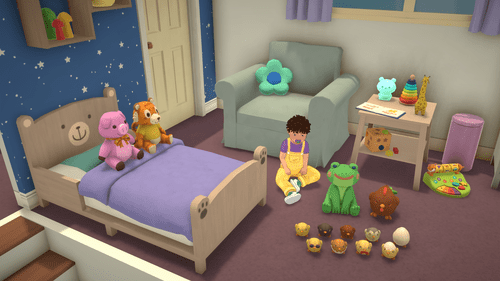
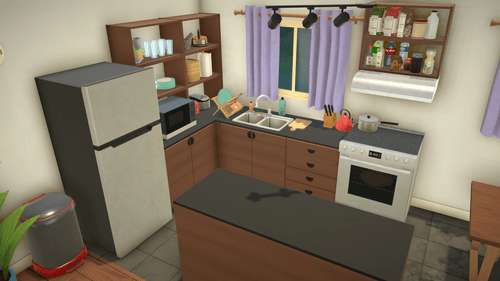
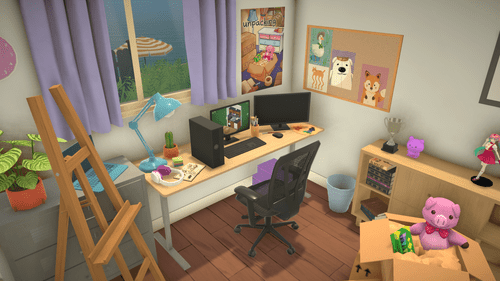
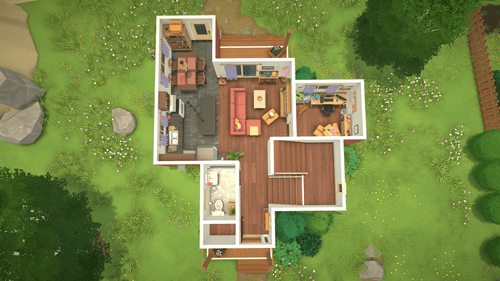
🏠 Section 2: Starter Homes — Perfect for Beginners
8 beginner-friendly designs that teach fundamental building skills while creating charming, livable spaces. Each design focuses on mastering specific Build Mode mechanics.
🌸 Cozy Cottage
A charming single-story cottage perfect for newlywed couples or solo Paras starting their journey. Features warm wood tones, flower boxes under windows, and a welcoming front porch with rocking chairs. The quintessential "first home" experience that teaches basic wall placement, roofing, and interior decoration fundamentals.
- Floor Plan: Open concept living/dining/kitchen (~450 sq ft)
- 1 Bedroom with walk-in closet space
- 1 Full bathroom with vintage fixtures
- Covered front porch (6x8 ft) with seating area
- Small backyard garden plot (8x8 ft)
- Stone pathway from sidewalk to front door
- Attic storage potential (if adding second floor later)
- Chimney feature (decorative or functional fireplace)
⬜ Modern Minimalist Box
The ultimate beginner project—a clean, geometric cube-shaped home that proves simplicity can be stunning. This design teaches you how less is more in architecture, focusing on clean lines, strategic window placement, and monochromatic color schemes. Perfect for modern art lovers and those who appreciate uncluttered living spaces.
- Floor Plan: Single open space (~400 sq ft total)
- Flat or very low-pitch roof (modern aesthetic)
- Large floor-to-ceiling windows on one side
- Minimalist kitchen along one wall
- Sleeping loft accessible by ladder or stairs
- Compact bathroom with glass shower enclosure
- Multipurpose furniture throughout
- Neutral color palette (white, gray, black accents)
- Concrete or polished wood flooring
🏔️ A-Frame Cabin
The iconic triangular A-frame design that screams mountain retreat! This build introduces you to steep roof pitches and working with angled interior walls. The dramatic cathedral ceiling creates an unexpectedly spacious feel despite the compact footprint. Ideal for nature-loving Paras who want a vacation vibe year-round.
- Distinctive triangular silhouette (steep ~60° roof pitch)
- Main floor: Living area + kitchenette + bath (~350 sq ft)
- Loft bedroom(s) under peak of A-frame
- Large triangular windows on front facade
- Wooden exterior siding (vertical planks)
- Stone or wood accent wall around fireplace
- Small deck extending from front
- Warm lighting essential (chandeliers, sconces)
- Cozy textiles: fur throws, wool rugs, plaid patterns
🚐 Tiny House on Wheels
The ultimate space-efficiency challenge! Building a functional home on a trailer chassis teaches you to think vertically and make every square inch count. This trendy design appeals to minimalist lifestyles, adventure-seeking Paras, or anyone wanting to dramatically reduce their environmental footprint while maintaining full livability.
- Maximum footprint: 8.5x20 ft (trailer dimensions)
- Total living space: ~170 sq ft (plus lofts)
- Ground floor: Kitchen + bathroom + living nook
- Sleeping loft over bathroom/cabins (ceiling height ~3 ft)
- Storage stairs leading to loft
- Multi-functional furniture (sofa bed, fold-down table)
- Vertical storage everywhere (walls = shelves)
- Large windows for spacious feeling
- Lightweight materials theme
- Outdoor living extension (porch/deck when parked)
🏡 Suburban Starter Home
The classic American suburban starter—recognizable, practical, and endlessly customizable. This design introduces standard room configurations, proper traffic flow between spaces, and the foundation for future expansions. It's the perfect first "real family home" that can grow with your Para household over multiple generations.
- Floor Plan: 3-bedroom, 1-bath layout (~900 sq ft)
- Separate living room and dining room
- Eat-in kitchen with breakfast bar
- Master bedroom with closet space
- Two smaller bedrooms (flexible use)
- Single-car garage or carport
- Front yard landscaping basics
- Backyard patio area
- Laundry area in kitchen or hallway
- Traditional gable roof with asphalt shingle appearance
🏢 Loft Apartment Style
Bring downtown energy to your suburban lot! This converted warehouse/loft style home teaches split-level construction, exposed structural elements, and industrial-chic aesthetics. High ceilings, open floor plans, and raw materials define this urban-inspired design that's perfect for artistic or entrepreneurial Paras.
- Double-height ceilings in main living area (14+ ft)
- Mezzanine/loft level overlooking main space
- Exposed beam aesthetics (visible structural elements)
- Industrial flooring (concrete, polished metal look)
- Open kitchen with island (stainless steel appliances)
- Bedroom loft with partial privacy wall
- Large windows or glass wall sections
- Minimal interior walls (define zones with furniture)
- Edison bulb lighting, pipe shelving, metal accents
- Art studio or workspace corner
🏖️ Beach Shack
Surf's up! This laid-back beach shack embodies coastal living at its most relaxed. Weathered wood, ocean breezes through screened windows, and indoor-outdoor flow make this design feel like permanent vacation mode. Perfect for Paras who work remotely, love water sports, or just want to escape the daily grind in style.
- Elevated on stilts/pilings (hurricane protection aesthetic)
- Screened porch wrapping around at least two sides
- Sliding glass doors connecting indoors/outdoors
- Weathered wood or light-colored siding
- Blue and white color scheme with coral accents
- Outdoor shower near entry (sand rinsing station)
- Hammock on porch (mandatory!)
- Nautical decor: ropes, anchors, driftwood, shells
- Open airflow design (no hallways blocking breeze)
- Rooftop or upper deck for sunset viewing
🌲 Forest Treehouse Adjacent
Not quite a treehouse, but deeply connected to forest living! This design blends rustic cabin aesthetics with modern comforts, featuring heavy timber elements, extensive use of natural materials, and seamless integration with surrounding trees and landscape. For Paras who feel most at home surrounded by greenery and wildlife.
- Natural material dominance: stone, wood, earth tones
- Large windows framing forest views (picture windows)
- Wrap-around deck merging with landscape
- Stone fireplace as focal point of living room
- Exposed wooden beams and posts
- Earth-toned color palette (greens, browns, rusts)
- Reading nooks with forest views
- Mudroom/entry for outdoor gear storage
- Hot tub on deck overlooking woods
- Pathways made of natural stone or wood chips
- Bird feeders and wildlife-friendly features
👨👩👧👦 Section 3: Family Homes — Growing Together
10 thoughtfully designed family residences ranging from traditional to contemporary, each optimized for multi-generational living, child safety, and creating lifelong memories together.
🏛️ Traditional Suburban House
The timeless American dream home that has raised generations of happy families. This design balances privacy with togetherness, offering dedicated spaces for each family member while maintaining central gathering areas. Brick exterior, welcoming front porch, manicured lawn—this is the home your neighbors will envy!
- Floor Plan: 4 bed, 2.5 bath (~1,600 sq ft)
- Formal living room + casual family room separation
- Dedicated dining room for holiday gatherings
- Gourmet kitchen with pantry and island
- Master suite with private bathroom (ensuite)
- Three additional bedrooms (flexible for kids/guests/home office)
- Two-car garage with interior access
- Finished basement potential (playroom, media room)
- Brick or vinyl siding exterior with shutters
- Front porch with columns and swing
- Backyard deck + fenced yard for children/pets
🏰 Two-Story Colonial
Elegant, stately, and brimming with old-world charm, the colonial style commands respect in any neighborhood. Symmetrical facades, multi-pane windows, centered front doors with elaborate porticos, and formal room arrangements create a sense of gravitas perfect for large families who appreciate tradition and heritage.
- Strictly symmetrical exterior (left-right mirror image)
- Two full stories plus possible attic conversion
- Center entrance with portico/columns and transom window
- Multi-pane (grid) windows evenly spaced
- First floor: Formal parlor, dining, library/study, kitchen
- Second floor: 4-5 bedrooms, 2-3 bathrooms
- Grand staircase as focal point of foyer
- Crown moldings, wainscoting, chair rails throughout
- Brick or clapboard siding (historically accurate colors)
- Shuttered windows, paneled doors with hardware
- Chimney(s) visible on roofline
🌾 Ranch Style Bungalow
All on one level—no stairs to navigate, perfect for families with young children or aging parents. The ranch bungalow emphasizes horizontal lines, open interiors, and seamless indoor-outdoor connections. Spread out comfortably across a larger footprint rather than building upward. Practicality meets comfort in this eternally popular design.
- Single-story living (no stairs anywhere!)
- Low-pitched roof with wide overhanging eaves
- Horizontal emphasis in architecture (long, low profile)
- L-shaped or U-shaped floor plan common
- Picture windows and sliding glass doors to backyard
- Attached garage integrated into roofline
- Open concept living/dining/kitchen area
- Master bedroom wing separated from kids' wing
- Patio/terrace directly accessible from living areas
- Natural materials: brick, wood, stone accents
- Easy maintenance landscaping (lawn, minimal beds)
📐 Split-Level Family Home
The iconic mid-century split-level creates defined zones through subtle elevation changes rather than full walls. Short flights of stairs (half-staircases) separate living areas from sleeping areas from recreational spaces. This design maximizes usable space on sloped lots and creates visual interest through its tiered structure.
- Three or more levels separated by short stair runs (4-6 steps)
- Entry level: Foyer, living room, dining room, kitchen
- Half-flight up: Bedrooms and bathrooms (quiet zone)
- Half-flight down: Family room, recreation area, garage access
- Each level feels semi-private yet connected
- Large windows on the "exposed" side of split levels
- Horizontal siding emphasizing length
- Low-pitched roof with deep eaves
- Built-in shelving and storage utilizing split spaces
- Perfect for families needing separation (teens vs. parents)
🎭 Victorian Manor
Ornate, romantic, and utterly captivating—the Victorian manor is for builders who love intricate details, asymmetrical charm, and historical elegance. Turrets, bay windows, decorative trim, wrap-around porches, and complex rooflines make this a challenging but rewarding project that produces showstopper results worthy of any neighborhood's grandest address.
- Asymmetrical facade (intentionally irregular, not sloppy)
- Multiple rooflines intersecting at various angles
- Tower or turret element (circular or polygonal room)
- Bay windows and oriels projecting from walls
- Decorative trim: gingerbread, spandrels, brackets
- Wrap-around porch with ornate railings and posts
- Patterned shingles or fish-scale siding
- Vibrant or deep historic color schemes
- Stained glass windows in key locations
- Interior: high ceilings, pocket doors, wainscoting
- Multiple fireplaces with elaborate mantels
- Butler's pantry, formal parlor, library, music room
🌴 Mediterranean Villa
Sun-drenched elegance inspired by Italian villas and Spanish haciendas. Stucco walls, terracotta roof tiles, arched doorways, wrought iron details, and courtyard-centric design bring Old World romance to your virtual neighborhood. Indoor-outdoor living reaches its zenith here, with every room opening to sunlit terraces and fragrant gardens.
- Stucco or plaster exterior in warm whites/creams/peaches
- Clay tile roof (terracotta red/orange tones)
- Arched windows and doorways (rounded tops)
- Wrought iron balcony railings and window grilles
- Central courtyard or atrium (heart of the home)
- Thick walls creating deep window recesses
- Terra cotta or Saltillo tile flooring throughout
- Exposed wooden ceiling beams (vigas)
- Large fireplace in main living area
- Olive trees, citrus plants, bougainvillea in landscaping
- Fountain or water feature in courtyard
- Outdoor cooking area/kitchen (asado/grill space)
🚜 Modern Farmhouse
The hottest residential trend of the decade—rustic farmhouse charm meets contemporary clean lines. White siding, black metal window frames, galvanized metal accents, barn doors, and enormous kitchens create Instagram-worthy interiors that feel both cozy and sophisticated. Perfect for families who want character without clutter.
- Gabled roof forms (often multiple intersecting gables)
- White or light-colored vertical board siding
- Black-framed windows (contrast is key!)
- Metal roof accents or full metal roof on porches
- Large covered front porch spanning full width
- Barn-style sliding doors (interior and exterior)
- Massive kitchen island with seating for 4+
- Farmhouse sink (apron-front) as centerpiece
- Shiplap walls (horizontal wood paneling)
- Mix of reclaimed wood and sleek modern finishes
- Neutral palette: whites, grays, blacks, warm wood tones
- Industrial lighting: pendant lights, chandeliers with Edison bulbs
🎋 Japanese-Inspired Home
Tranquility, intentionality, and harmony with nature define Japanese residential architecture. Sliding shoji screens, tatami mat flooring, engawa verandas, and meticulously designed gardens create meditative living spaces. This design teaches restraint, negative space appreciation, and the profound beauty of simplicity executed perfectly.
- Post-and-beam construction aesthetic (exposed framework)
- Sliding doors/fusuma and shoji screens (flexible spaces)
- Tatami mat flooring or low-platform sleeping areas
- Engawa (veranda/walkway) connecting interior to garden
- Genkan entry (step-up interior, shoe removal area)
- Ofuro (deep soaking tub) in bathroom
- Tokonoma alcove for art/display in main room
- Minimalist furnishing (low tables, floor cushions/zabuton)
- Natural materials: bamboo, cedar, rice paper, stone
- Integrated garden view from every major room
- Subtle, muted color palette (natural wood tones)
- Indoor-outdoor fluidity (blurred boundaries)
❄️ Scandinavian Hygge House
Embrace the Danish concept of hygge—coziness, contentment, and well-being through thoughtful design. Light-filled spaces, natural textures, uncluttered surfaces, and layers of warmth (textiles, candles, wood) create a home that feels like a perpetual hug. Scandinavian design proves that minimalism can be deeply inviting, not cold or sterile.
- Abundant natural light (large windows, skylights)
- White or very pale walls as canvas
- Light hardwood floors (oak, ash, birch)
- Natural textile layering: wool, sheepskin, linen, cotton
- Functional beauty (form follows function, beautifully)
- Fireplace or wood stove as gathering point
- Cozy reading nooks with blankets and pillows
- Simple, quality furniture (mid-century modern influence)
- Plants everywhere (connection to nature indoors)
- Soft, warm lighting (no harsh overhead lights)
- Black accents for contrast and grounding
- Practical storage solutions (hidden, organized)
🌿 Eco-Friendly Green Home
For environmentally conscious Paras who want their home to tread lightly on the planet. Passive solar design, renewable materials, rainwater collection, solar panels, and energy-efficient everything combine to create a residence that's as kind to Earth as it is beautiful to inhabit. Sustainability and style prove they're not mutually exclusive.
- Passive solar orientation (max south-facing windows)
- Super-insulated walls and high-performance windows
- Solar panels on roof (renewable energy generation)
- Rainwater harvesting system (barrels, cisterns)
- Green roof section or living wall (plants on building)
- Recycled/reclaimed materials throughout
- Natural ventilation design (cross-breezes, thermal chimneys)
- LED lighting exclusively
- Energy-efficient appliances (look for star ratings)
- Composting area and vegetable garden integration
- Native plant landscaping (low water needs)
- Electric vehicle charging station in garage
- Smart home technology for energy monitoring
💎 Section 4: Luxury & Mansion Designs — Dream Big
8 spectacular high-end residences for when budget is no object. These ambitious projects showcase advanced Build Mode techniques and create truly awe-inspiring virtual architecture.
🏢 Modern Glass Mansion
Floor-to-ceiling glass walls dissolve the boundary between interior sanctuary and exterior landscape. Clean geometric volumes, cantilevered sections, infinity pools, and museum-quality interiors define this contemporary masterpiece. This is architecture as sculpture—every angle is a photo opportunity, every room a gallery of light and space.
- Extensive glass curtain walls (floor-to-ceiling on multiple elevations)
- Flat or low-pitch roofs with hidden drainage systems
- Cantilevered upper floors (overhangs without visible support)
- Open floor plan with minimal interior walls
- Infinity-edge pool blending with horizon view
- Double-height great room with floating staircase
- Gourmet chef's kitchen with professional-grade appliances
- Master suite with spa bathroom and walk-in closet (room-sized)
- Home theater/media room with stadium seating
- Wine cellar/tasting room
- Smart home automation throughout
- Minimalist landscaping (architectural plants, hardscape)
- Concrete, steel, glass, and natural stone materials
🌊 Coastal Cliffside Estate
Perched dramatically on a cliff edge, this estate captures panoramic ocean views from every room. Multi-level design cascades down the slope like a natural extension of the rock face. Outdoor living spaces at each level, direct cliff-edge infinity pool, private cove access via elevator or stairs—this is the ultimate seaside fantasy brought to life in pixels.
- Multi-tiered structure following cliff contour (3-5 levels)
- Glass-dominated facades facing the ocean
- Infinity pool at lowest level appearing to pour into sea
- Private elevator or dramatic exterior staircase connecting levels
- Each bedroom with private balcony and ocean view
- Outdoor kitchen and dining terrace
- Fire pit lounge on cliff-edge deck
- Weather-resistant materials (marine-grade aesthetic)
- Guest house or cabana at beach/cove level
- Boat dock or kayak launch area
- Nautical luxury interior design throughout
- Storm-resistant architectural features
⛰️ Mountain Retreat Lodge
Rustic grandeur meets alpine luxury in this sprawling mountain lodge designed for multi-family gatherings and entertainment. Massive timber beams, stone fireplaces that reach two stories tall, ski-in/ski-out potential, hot tub with mountain views, and enough bedrooms to host the entire extended family during holiday seasons. This is the ultimate winter (or summer) retreat.
- Massive scale: 4,000+ sq ft across 2-3 stories
- Heavy timber frame construction aesthetic (exposed logs/beams)
- Stone foundation and chimney masses
- Grand great room with vaulted ceiling (20+ ft)
- Enormous stone fireplace as focal point (seats 10+)
- Commercial-grade gourmet kitchen (feeds crowds)
- 6-8 bedrooms, many with ensuite bathrooms
- Bunk room for kids (multiple bunk beds)
- Mudroom with ski/board storage and drying equipment
- Hot tub deck with panoramic mountain views
- Game room: pool table, arcade, wet bar
- Wrapped porches on multiple levels
- Warm, rich materials: leather, wool, antler, reclaimed wood
🌆 Urban Penthouse Style
City living at its most glamorous. Perched atop a theoretical high-rise, this penthouse offers skyline views, sophisticated metropolitan style, and the exclusivity of top-floor living. Sleek finishes, smart-space planning, private rooftop terrace with cityscape backdrop, and interiors that wouldn't look out of place in Architectural Digest. Urban sophistication distilled into virtual perfection.
- Single-floor luxury apartment layout (top floor of building)
- Floor-to-ceiling windows on exterior walls (city views)
- Private rooftop terrace with lounge/dining/garden areas
- Open-concept living with defined zones (not walls)
- Gourmet kitchen with island and premium appliances
- Master suite with spa bathroom and walk-in closet
- Second bedroom or flexible den/home office
- Powder room for guests
- High-end finishes: marble, brass, dark woods, velvet
- Art gallery walls for displaying collections
- Smart home features: automated shades, lighting scenes
- Minimalist but luxurious furnishings
- City lights visible through windows at night
🏰 Castle-Inspired Estate
Fairy tales come alive in this castle-inspired mega-mansion that blends medieval romance with modern luxury. Towers, turrets, battlements, grand halls, secret passages (if Build Mode allows!), and grounds that include formal gardens, hedge mazes, and perhaps a moat or drawbridge. This is the ultimate vanity project for builders who want to leave a lasting legacy in their virtual world.
- Multiple towers of varying heights (main keep + corner towers)
- Crenellated rooflines (battlement-style parapets)
- Stone or stone-like exterior cladding throughout
- Great Hall with double/triple-height ceiling
- Grand spiral staircase(s) as sculptural elements
- Throne room or formal receiving parlor
- Library with floor-to-ceiling bookshelves (rolling ladder!)
- Armory/display room or trophy hall
- Master tower suite (entire upper tower floor)
- Guest quarters in secondary towers
- Kitchen with medieval-meets-modern aesthetic
- Formal gardens with geometric patterns
- Gatehouse or fortified entrance
- Dungeon level (wine cellar, gym, or actual spooky room)
🌺 Tropical Paradise Home
Permanent vacation mode activated! This resort-style residence brings Bali, Hawaii, or Maldives vibes to your neighborhood. Overwater bungalow elements, thatched roof pavilions, infinity pools with lush tropical gardens, outdoor showers, and interiors that blur completely with nature. Every day feels like a getaway in this exotic paradise home.
- Multiple pavilion structures connected by covered walkways
- Thatched or palm-leaf roof appearances (tiki hut aesthetic)
- Overwater or pool-adjacent bedroom suites
- Lagoon-style freeform swimming pool with rock formations
- Outdoor bathrooms with rainfall showers (open to sky)
- Bamboo, rattan, and natural fiber furnishings
- Four-poster beds with mosquito net canopies
- Extensive tropical landscaping (palms, ferns, orchids)
- Outdoor kitchen/bar area (tiki bar!)
- Hammock grove and meditation platforms
- Water features: ponds, fountains, waterfalls
- Bright, airy color palette: whites, aquas, greens, corals
- Ceiling fans in every room (essential tropical detail)
🎨 Art Deco Masterpiece
Step into the roaring twenties with this Jazz Age glamour palace. Geometric patterns, bold contrasts, gold leaf accents, zigzag motifs, luxurious materials, and the unmistakable confidence of Art Deco design at its peak. This home doesn't just sit in the neighborhood—it makes a statement. Think Great Gatsby meets Miami Beach meets Metropolitan Museum.
- Strong geometric forms: setbacks, stepped facades, ziggurat profiles
- Stucco exterior in cream, ivory, or pastel with contrasting trim
- Geometric window patterns (chevrons, sunbursts, fanlights)
- Streamlined horizontal emphasis with vertical accents
- Grand entrance with impressive double doors
- Symmetrical layouts with axial circulation
- Rich materials: lacquered wood, chrome, glass, marble, exotic woods
- Bold color combinations: black/gold, turquoise/silver, red/black
- Geometric-patterned floors (inlay, parquet, tile)
- Lighting as jewelry: chandeliers, sconces with geometric shades
- Built-in furniture with streamlined shapes
- Curved walls and rounded corners (streamlining)
- Staircase as sculptural centerpiece (curved or geometric)
🚀 Sci-Fi Future Home
Welcome to tomorrow! This futuristic residence pushes Build Mode to its limits with unconventional shapes, holographic aesthetics, smart-everything technology, and design choices that look like they belong in 2150. Floating elements, glowing accents, organic curves, and spaces that redefine what "home" means. For builders ready to break every rule and invent new ones.
- Non-traditional forms: domes, spheres, angular shards, floating volumes
- Glowing/neon accent lighting (blue, cyan, purple, magenta)
- Holographic displays and interfaces (decorative screens)
- Transparent or translucent materials (glass, acrylic, force fields)
- Anti-gravity aesthetic (cantilevers, floating platforms)
- Smart surfaces: interactive walls, responsive environments
- Futuristic furniture: pod chairs, levitating beds, holographic tables
- Minimal physical controls (voice/gesture activated everything)
- Indoor hydroponic garden or vertical farm
- Robot companion charging stations
- Color-shifting walls or adaptive lighting systems
- Clean lines mixed with organic bio-mimetic curves
- Hidden compartments and secret rooms (sci-fi trope!)
- Viewing dome or observatory room
🎪 Section 5: Themed & Creative Builds — Unleash Imagination
12 wildly imaginative builds that prioritize storytelling, whimsy, and pushing Build Mode beyond conventional architecture. These projects prove Paralives is limited only by your creativity!
👻 Haunted Mansion
Every neighborhood needs that creepy house on the hill that kids dare each other to approach. Gothic Revival architecture meets supernatural storytelling in this delightfully eerie residence. Peeling wallpaper, creaky floorboards (sound design!), secret passages, cobweb-draped chandeliers, and maybe a friendly ghost or two haunting the halls. Spooky season, every season!
- Gothic Victorian architecture (pointed arches, steep roofs)
- Decaying exterior aesthetic (weathered, overgrown, mysterious)
- Iron fence with gates (slightly ajar, of course)
- Dead/overgrown garden with twisted trees
- Wrought iron widow's walk or cupola
- Interior: dark wood, deep reds/purples/blacks, antique everything
- Grand foyer with sweeping curved staircase
- Portrait gallery with eyes-that-follow-you paintings
- Dining room set for a feast that never happened
- Library with ladder on rolling track (and secret door behind bookshelf!)
- Attic full of dusty relics and old trunks
- Basement dungeon or laboratory
- Cobwebs, candles, skulls, and other spooky decor everywhere
🧚 Fairy Tale Cottage
Straight out of a storybook illustration! This enchanting cottage looks like it was grown rather than built, with organic curves, thatched roof, round doors and windows, and a garden bursting with oversized flowers and magical flora. Perfect for the Para who believes in magic, talks to plants, and leaves offerings for the fairies in the garden. Disney meets Tolkien meets Studio Ghibli vibes.
- Organic, irregular shape (not a perfect rectangle!)
- Round or arched door (hobbit-hole style)
- Circle or oval windows (porthole-like)
- Thatched roof or moss-covered roof appearance
- Stone or cob walls with creeping ivy
- Chimney that leans slightly (whimsical touch)
- Interiors: low ceilings, cozy nooks, warm golden light
- Root furniture (tables and chairs grown from tree roots)
- Enchanted garden with giant mushrooms, glowing flowers
- Fairy door at base of tree (miniature entrance)
- Hanging dried herbs in kitchen
- Four-poster bed with canopy of dried flowers/vines
- Crystal ball or cauldron in study nook
☠️ Pirate Ship House
Ahoy, mateys! This isn't a house shaped like a ship—it IS a ship (or convincing enough to fool the neighbors). Complete with crow's nest, captain's quarters, gun deck (now repurposed), galley kitchen, and a Jolly Roger flying proudly from the mast. Perfect for the Para with adventurous spirit, questionable morals regarding treasure ownership, and a parrot who won't stop squawking about crackers.
- Ship hull form (narrow, elongated, pointed bow, curved stern)
- Multiple decks: main deck, quarterdeck, possibly orlop (below)
- Masts (decorative or climbable) with rigging and sails (furled)
- Crow's nest at top of mainmast (lookout point/reading nook)
- Captain's quarters at stern (master suite with ocean views)
- Crew quarters amidships (bunkroom style bedrooms)
- Galley (kitchen) with nautical cooking implements
- Ship's wheel on quarterdeck (steering... somewhere)
- Cannon ports (now windows) along gunwales
- Walk the plank (diving board to pool? )
- Treasure map room/navigation chart table
- Rum barrel seating and rope hammocks
- Jolly Roger flag, ship's bell, anchor decor
- Wood plank floors that slope slightly (ship motion illusion)
🗡️ Medieval Castle Tower
Live like nobility in the Middle Ages! This standalone castle tower combines defensive architecture with surprisingly livable interiors. Thick stone walls, narrow arrow-slit windows (enlarged for comfort), a great hall with roaring hearth, and sleeping chambers in the upper reaches. For the Para who dreams of jousting tournaments, feasting at long tables, and perhaps defending against imaginary siege engines.
- Circular or octagonal tower form (3-4 stories)
- Stone exterior texture throughout
- Narrow windows (arrow slits) on lower levels, larger above
- Ground floor: great hall with massive fireplace and long table
- Spiral stone staircase connecting all levels (center or wall-mounted)
- Second floor: lord's solar (private chamber) with canopy bed
- Third floor: guest chamber or armory/display room
- Top level: battlement roof with crenellations (walkable!)
- Hoarding (wooden gallery) projecting from upper walls
- Portcullis gate or heavy iron-studded door
- Torch sconces for lighting (wall-mounted fire sources)
- Rush or straw floors (historic authenticity)
- Tapestries covering cold stone walls
- Armour stand and weapons rack in entry
🛸 Space Station Base
Houston, we have an awesome house! This orbital habitat brings NASA-meets-Star-Trek aesthetics to your lot. Modular pods connected by tubes, zero-G recreation rooms (simulated), observation deck with planet views, hydroponic bay for fresh food, and the constant hum of life support systems. For the Para astronaut, xenobiologist, or intergalactic refugee seeking asylum on Earth.
- Modular pod design (cylindrical or spherical modules)
- Connecting tubes/corridors between modules
- Command module: bridge with control consoles
- Living quarters: compact efficient crew cabins
- Hydroponics lab/garden (fresh food production)
- Observation dome with "space" views (planetarium effect)
- Airlock entry system (double-door decontamination)
- Exercise module (zero-g gym equipment)
- Medical bay (sickbay with scanning equipment)
- Recreation holodeck or lounge with starfield views
- Power core/engine room (glowing reactor aesthetic)
- White/light gray clinical color scheme with accent colors per module
- Modular furniture that clips to walls
- Warning labels, technical readouts, status displays as decor
🕳️ Underground Bunker Home
When the zombie apocalypse/nuclear winter/alien invasion comes, you'll be ready! This fully-equipped underground bunker combines survival preparedness with surprising livability. Reinforced concrete walls, air filtration systems, years of supplies, hydroponic gardens, and entertainment systems to maintain sanity during extended underground stays. Doomsday prepper paradise!
- Entirely below ground (use basement/foundation tools)
- Reinforced concrete aesthetic (gray, industrial, utilitarian)
- Airlock entrance with decontamination shower
- Command center with communication equipment and monitors
- Living quarters: compact but comfortable bunkrooms
- Commercial kitchen with bulk food storage (pantry the size of a room)
- Medical bay with supplies and examination table
- Hydroponic garden bay (UV grow lights, irrigation)
- Water purification and storage systems (tanks, filters visible)
- Power generation (generator room with fuel stores)
- Armory/weapon storage (for defense, obviously)
- Recreation room (board games, books, exercise equipment)
- Emergency escape tunnel (secret exit!)
- Surface camouflage (innocuous shed or hill covers entrance)
🌳 Tree-top Canopy House
Not a treehouse FOR kids—a serious adult residence IN the trees. Multiple platforms nestled among towering trees, connected by rope bridges, with living spaces distributed across different heights in the forest canopy. Wake up to birdsong, fall asleep to rustling leaves, and live harmoniously among the branches. Swiss Family Robinson meets luxury eco-resort.
- Multiple tree platforms at varying heights (3-5 levels)
- Main living platform: largest, contains kitchen/living/dining
- Sleeping platforms: separate bedroom pods on different trees
- Rope bridge or suspension bridge connections between platforms
- Support structures: appears to be built around/into real trees
- Large windows/open walls for forest views and breezes
- Outdoor shower platform (rainwater collection)
- Crow's nest or viewing platform at highest point
- Zip line exit (for quick escapes or fun arrivals)
- Natural materials: wood, rope, canvas, thatch
- Ladder and/or pulley elevator for main access
- Treehouse aesthetic: rustic, adventurous, connected to nature
- Lower level: storage, workshop, or guest tree-pod
❄️ Igloo & Ice Palace
Channel your inner Elsa (or Inuit architect)! This frozen wonderland ranges from a humble but ingenious igloo to an elaborate ice palace that would make the Snow Queen jealous. Translucent ice walls, carved ice furniture, blue-white-silver color palette, and the magical glow of refracted northern lights. For the Para who finds regular housing too... warm.
- Dome or spiraling igloo form (snow brick construction look)
- Ice/translucent wall and floor materials (frozen appearance)
- Tunnel entrance (traditional igloo style)
- Ice block furniture (beds, tables, shelves made of ice)
- Blue-white-silver color palette with iridescent accents
- Carved ice decorations (sculptures, reliefs on walls)
- Warm furs and animal hides for seating/bedding (contrast to cold surroundings)
- Central fire pit or lamp for heat and light source
- Sleeping platforms raised off icy floor
- Ice throne (for the Ice King/Queen, obviously)
- Crystal chandeliers (ice sculpture lighting)
- Snow/ice garden outside with ice sculptures
- Northern lights effect (colored lighting outside windows)
- Optional: attached warm "mudroom" for guests who can't handle the cold
⚙️ Steampunk Workshop
Copper pipes, brass gears, hissing steam, and the glorious chaos of invention! This steampunk residence doubles as a mad scientist's laboratory, clockmaker's atelier, or airship engineer's workshop. Victorian architecture retro-fitted with imaginary steam-powered technology. Goggles are mandatory attire. For the Para inventor, tinkerer, or time traveler whose machine is always "almost working."
- Victorian or industrial building shell (brick, iron, timber)
- EXPOSED EVERYTHING: pipes, gears, valves, pressure gauges on display
- Copper, brass, bronze as dominant metals (warm metallic palette)
- Steam-powered aesthetic: hissing pipes, venting valves, boiler room
- Gear mechanisms as decorative elements (wall art, furniture parts)
- Workshop/laboratory taking up significant floor space
- Invention workbenches cluttered with tools and projects
- Leather-bound books, blueprints, schematics pinned to walls
- Brass instruments: telescopes, sextants, compasses as decor
- Velvet drapes, dark wood paneling, gas lamp lighting
- Airship model hanging from ceiling (or mini working airship!)
- Clockwork automaton servants (robot butler aesthetic)
- Secret passage behind rotating bookcase (obviously)
- Color palette: rich browns, copper orange, brass gold, leather burgundy
🌃 Cyberpunk Apartment
High tech, low life. Neon-soaked rain slick streets visible through grimy windows, holographic advertisements flickering outside, and a cramped apartment packed with illegal tech. This cyberpunk dwelling captures the essence of Blade Runner, Ghost in the Shell, and Neuromancer—a home for those who live in the shadows between megacorporations and the streets.
- Dense urban setting (surrounded by taller buildings visually)
- Neon lights everywhere: pink, cyan, electric blue, toxic green
- Holographic displays and projected advertisements near windows
- Cluttered, cramped interior (every inch utilized)
- Multiple computer setups/monitors (hacking station)
- Cables and wires running everywhere (exposed, tangled)
- Industrial materials: concrete, metal grating, corrugated steel
- Japanese influences: kanji signage, tatami corners, ramen setup
- Vending machines in hallway (instant noodles, synthetic drinks)
- Sleeping pod or capsule bed (space efficiency)
- Illegal tech hidden in false compartments
- Rain-streaked windows (perpetual weather effect)
- Dark base palette with neon explosions of color
- Posters, stickers, graffiti on interior walls
🏛️ Ancient Temple Home
What if Indiana Jones decided to renovate and live in the temple he just plundered? This design transforms ancient sacred architecture into surprisingly comfortable modern living while preserving the mystery, grandeur, and slightly ominous atmosphere of antiquity. Stone columns, carved reliefs, sacrificial altars (now coffee tables?), and the whispers of forgotten gods echoing through marble halls.
- Classical temple architecture (Greek, Roman, Egyptian, or Mesoamerican)
- Massive stone columns supporting porticos and colonnades
- Carved friezes and relief sculptures on walls
- Central courtyard or atrium with shrine/fountain
- High vaulted or coffered ceilings
- Marble or stone flooring throughout
- Statues of deities (now serving as art/decor)
- Sarcophagus repurposed as storage chest or coffee table
- Hieroglyphic or glyph-covered walls
- Torch sconces and braziers for lighting
- Library of ancient scrolls (books with antique bindings)
- Observatory or astronomical alignment features
- Secret chamber behind moving wall panel
- Overgrown garden with ancient ruins aesthetic
- Color palette: sandstone, terracotta, lapis lazuli blue, gold leaf
🍭 Candyland House
Willy Wonka would be proud! This saccharine spectacle turns architecture into confectionery. Gingerbread walls, candy cane columns, icing roof trim, gumdrop bushes, lollipop trees, and interiors that look delicious enough to eat (please don't actually eat your monitor). Pure unadulterated joy in built form—for Paras who never outgrew their love of sweets and whimsy.
- Gingerbread or cake-textured exterior walls
- Candy cane striped columns and trim
- Icing/frosting along roof edges (white piped decoration look)
- Round candy-shaped windows (peppermint swirls, lollipops)
- Chocolate door (or gumdrop archway)
- Marshmallow clouds on roof (cotton candy aesthetic)
- Lollipop trees and gumdrop shrubs in garden
- Interior: cupcake seating, licorice furniture, jelly bean rugs
- Kitchen with oversized mixing bowls and candy-making stations
- Colorful beyond reason: rainbow palette, pastels, neons
- Sprinkle patterns on floors and surfaces
- Ice cream cone lamps and cupcake chandeliers
- Edible-looking decor everywhere (don't lick the screen!)
- Chocolate river or fondant fountain in garden
- Gingerbread people as "guardians" at entrance
🛋️ Section 6: Room-by-Room Design Tips — Master Every Space
Detailed guidance for designing individual rooms within your Paralives home. From layout strategies to styling secrets, these tips elevate every room from functional to phenomenal.
🛋️ Living Room — 10 Layout Ideas & Design Strategies
The living room is the heart of social life in any home—the space where your Paras gather to relax, entertain, and create memories together. A well-designed living room balances comfort, functionality, and visual appeal while reflecting your household's personality and lifestyle.
| Layout Style | Best For | Key Arrangement | Pro Tips |
|---|---|---|---|
| 1. Classic Conversation Pit | Social butterflies, entertainers | Sofa + 2 armchairs in U-shape around coffee table | Keep conversation distance 4-8 ft between seats. Center rug under front legs of furniture. |
| 2. Open Concept Flow | Modern homes, spacious lots | Living area transitions seamlessly into dining/kitchen | Use area rugs to define zones without walls. Consistent flooring unifies the space. |
| 3. TV-Focused Theater | Movie buffs, gamers, binge-watchers | All seating oriented toward screen, optimal viewing distance | Screen distance = 2.5x diagonal measurement. Dimmable lighting essential. Sound system consideration. |
| 4. Cozy Reading Nook | Bookworms, introverts, quiet households | Comfortable chair + ottoman + floor lamp + side table by window | Face toward natural light source. Bookshelf within arm's reach. Soft textiles layered for comfort. |
| 5. Multi-Zone Flex Space | Multi-purpose needs, growing families | Divide room into activity zones: seating, play, work, reading | Use furniture placement and rugs to create invisible boundaries. Each zone needs its own light source. |
| 6. Symmetrical Formal | Traditional homes, formal entertaining | Mirror-image arrangement: matching sofas or sofa+love seat flanking table | Perfect for showing off architectural features. Works best in square/rectangular rooms. |
| 7. L-Shaped Corner Anchor | Smaller rooms, awkward layouts | Large sectional or L-sofa tucked into corner, opens rest of room | Maximizes floor space. Add accent chair opposite to balance. Coffee table fits naturally in the "L." |
| 8. Fireplace Focal Point | Homes with fireplace/mantel feature | All furniture arranged to face and frame the fireplace | Sofa centered on fireplace (not against wall if possible). Mantel decor kept simple. Mirror above adds depth. |
| 9. Circular/Social Circle | Intimate gatherings, cocktail parties | Chairs arranged in circle or loose cluster, no single "head" | Encourages equal participation in conversations. Round coffee table in center. Works in square rooms. |
| 10. Gallery Wall Showcase | Art lovers, collectors, creatives | One wall dedicated to art display; furniture arranged to showcase it | Art at eye level (center at 57"). Mix sizes and frames. Lighting directed at artwork. Keep furniture low to avoid blocking. |
🍳 Kitchen — 8 Efficient Layouts for Every Space
The kitchen is arguably the most function-critical room in any home. Efficiency here means the difference between joyful meal preparation and frustrating chaos. These layouts optimize the "work triangle" (sink-stove-refrigerator relationship) while maximizing storage, prep space, and social interaction potential.
| Layout Type | Ideal Size | Configuration | Best For |
|---|---|---|---|
| 1. One-Wall/Galley | Small (8-10 ft wide) | All cabinets/appliances along single wall | Tiny homes, studios, efficiency apartments. Most space-efficient but limited counter space. |
| 2. L-Shaped | Medium (10x10+ ft) | Cabinets along two adjacent walls forming L | Most common layout. Good workflow triangle. Corner cabinet solutions needed for dead space. |
| 3. U-Shaped | Medium-Large (10x12+ ft) | Cabinets along three walls forming U | Maximum counter/storage in given footprint. Can feel enclosed—add window or pass-through. |
| 4. Island-Centric | Large (12x14+ ft) | Perimeter cabinets + central island with sink/cooktop | Entertainers' dream. Island becomes social hub. Requires minimum 3 ft clearance around all sides. |
| 5. Peninsula/G-Shaped | Medium-Large | U-shape + one wall extended as peninsula (breakfast bar) | Combines U-shape efficiency with casual dining. Great for open-concept flow to living area. |
| 6. Parallel/Galley | Narrow spaces (7-9 ft wide) | Two parallel runs of cabinets facing each other | Professional chef efficiency. Tight but highly functional. Good traffic separation from cook zone. |
| 7. Walk-Through Kitchen | Any size with traffic path | Kitchen designed as corridor between spaces (not dead-end) | Connects different areas efficiently. Ensure wide path (4+ ft). Watch for bottlenecks during cooking. |
| 8. Open Concept Integrated | Large open floor plan | Kitchen flows into dining and living without walls | Modern lifestyle. Cook interacts with family/guests. Define zone with island, pendant lights, or rug change. |
🛏️ Bedroom — 12 Romantic & Cozy Design Concepts
Your Para's bedroom is their personal sanctuary—the space for rest, romance, rejuvenation, and self-expression. These 12 design concepts range from passionately romantic to serenely minimalist, ensuring there's a perfect match for every personality type and relationship dynamic.
Hotel Luxe Sanctuary
Crisp white linens, plush headboard reaching ceiling, nightstands with matching lamps on both sides, neutral palette with one metallic accent (gold or silver). Mirrored furniture reflects light. Blackout curtains for sleep quality. Feels like a 5-star suite every night.
`n`nRustic Cabin Romance
Exposed wooden beam ceiling, stone or wood accent wall behind bed, heavy quilt or fur throw, wrought iron or log furniture, warm amber lighting from lantern-style lamps. Smells like pine and feels like a permanent mountain getaway.
`n`nBohemian Dreamcatcher
Layered textiles: tapestries, macrame wall hangings, eclectic mix of patterns (floral, geometric, ethnic), plants cascading from shelves, vintage/secondhand furniture pieces, warm jewel tones (deep purple, teal, burnt orange). Curated chaos with soul.
`n`nMinimalist Zen Retreat
Platform bed low to ground, limited furniture (bed + one nightstand + one chair), monochromatic palette (all white, all beige, or all gray), hidden storage, one piece of statement art, natural light maximized. Space to breathe and think clearly.
`n`nFrench Boudoir Elegance
Velvet tufted headboard, ornate gilded mirror above dresser, crystal chandelier or glam sconce lighting, silk or satin bedding in blush pink or champagne, perfume vanity table, fresh flowers always present. Sophisticated femininity.
`n`nIndustrial Loft Sleep
Metal frame bed (pipe or iron), concrete or distressed wood flooring, Edison bulb pendant lights, leather or canvas bedding in charcoal/navy, exposed brick wall (or wallpaper that looks like it), utilitarian furniture with clean lines. Urban edge meets bedroom comfort.
`n`nCoastal Serenity
Whitewashed wood furniture, blue-and-white striped bedding, seashell and coral decor, natural fiber rugs (jute, sisal), sheer curtains catching ocean breezes, weathered wood accents. Wakes up feeling like you're already on vacation.
`n`nGlam Hollywood Regency
High-gloss lacquer furniture, mirrored surfaces, velvet upholstery in emerald or royal purple, metallic accents (brass, gold, chrome), dramatic art, plush area rug underfoot, dimmer switches on all lights. Old Hollywood glamour updated for today.
`n`nScandinavian Hygge Haven
Light wood bed frame, chunky knit blanket throw, sheepskin rug beside bed, candle-style lighting (even electric candles!), simple wooden nightstands, white walls, cozy reading corner with floor lamp. Danish concept of coziness perfected.
`n`nMediterranean Siesta
Terracotta floor tiles, wrought iron bed frame, arched alcoves or niches, warm ochre and terracotta walls, linen bedding in cream, ceramic vessels as decor, ceiling fan with lights, shuttered windows. Afternoon nap perfection.
`n`nMid-Century Modern Classic
Platform bed with tapered legs, teak or walnut furniture, geometric-patterned bedding, statement pendant light (bubble or sputnik shape), bold accent wall color (mustard yellow, olive green, burnt orange), clean lines, functional beauty.
`n`nGarden Conservatory
Abundant plants (hanging, potted, trailing), botanical print wallpaper or curtains, wicker or rattan furniture, natural wood tones, large windows or glass doors to actual garden, floral bedding, fresh flower vase always present. Sleeping surrounded by nature.
🚿 Bathroom — 6 Spa-Like Design Concepts
Transform utilitarian washrooms into personal spas that rival luxury resorts. These bathroom designs prioritize relaxation, sensory indulgence, and the feeling of stepping into a five-star wellness retreat every time your Para needs to freshen up.
Natural Stone Sanctuary
Floor-to-ceiling stone tile (travertine, marble, or slate), rainfall showerhead with multiple body sprays, stone bench inside shower, pebble floor tiles for foot massage effect, live plants that thrive in humidity, wooden bath caddy with luxury toiletries.
`n`nModern Minimalist Wet Room
No shower curtain or glass—entire bathroom is the shower zone with gently sloped floor to central drain. Wall-mounted fixtures (toilet, sink), frameless glass partition only for toilet area, single material throughout (large-format tiles), hidden tank toilet, LED backlit mirror.
`n`nVintage Glamour Powder Room
Clawfoot freestanding tub as centerpiece, crystal chandelier above, ornate gold-framed mirror, pedestal sink with vintage faucets, wainscoting on lower walls, floral wallpaper upper walls, brass fixtures throughout, plush towels and vintage perfume bottles as decor.
`n`nJapanese Ofuro Retreat
Deep soaking tub (ofuro) made of wood or stone, separate shower area with stool for seated washing, tatami mat flooring outside wet zone, shoji screen partitions, bamboo accessories, minimal but high-quality natural materials, zen garden view through window.
`n`nTropical Rainforest Shower
Oversized walk-in shower with multiple water sources (rainfall head + handheld + body jets), lush green plants inside shower (real or artificial that tolerates moisture), river rock floor, teak bench, bamboo accessories, large window or skylight for natural light, humidity-loving ferns.
`n`nIndustrial Chic Bath
Exposed pipe fixtures in black matte or brushed brass, concrete or large-format gray tiles, metal-framed glass shower enclosure, open shelving with rolled towels, Edison bulb vanity lights, utilitarian aesthetic with luxury finishes, subway tile accent wall.
💻 Home Office — 5 Productivity-Focused Designs
Whether your Para works from home full-time, runs a side hustle, or just needs a dedicated space for bill-paying and life administration, these home office designs optimize focus, comfort, and professional presentation during video calls.
| Office Style | Ideal For | Key Features | Ergonomic Essentials |
|---|---|---|---|
| 1. Executive Command Center | C-level Paras, entrepreneurs | Large L-shaped desk, leather executive chair, built-in shelving, filing cabinets, guest seating area | Monitor at eye level, keyboard/mouse at elbow height, feet flat on floor |
| 2. Creative Studio Space | Artists, designers, writers | Natural light priority, inspiration board/wall, flexible furniture, art supply storage, mood lighting options | Adjustable desk (sit/stand), anti-fatigue mat, task lamp with color temperature control |
| 3. Compact Corner Office | Small spaces, occasional work | Corner desk maximizing unused space, vertical storage, wall-mounted organizers, fold-away surface option | Compact ergonomic chair, laptop stand for eye level, external keyboard/mouse always |
| 4. Library Study Nook | Academics, researchers, book lovers | Built-in bookshelves surrounding desk, comfortable reading chair, warm wood tones, good task lighting, quiet location | Desk with adequate depth for books/papers, document holder at monitor level, footrest |
| 5. Video Call Ready Setup | Remote workers, streamers | Professional backdrop (bookshelf/art wall), ring light, quality webcam position, noise-canceling mic setup, tidy visible areas only | Eye-level camera = stack of books under laptop. Good front-facing light source essential. |
🎈 Kids' Room — 8 Fun Themed Design Ideas
A child's room should spark imagination, encourage play, grow with them through different developmental stages, and (ideally) make cleanup somewhat less painful. These eight themed designs balance whimsy with practicality.
Space Explorer's Quarters
Dark blue/starfield ceiling with glow-in-the-dark stars, rocket ship bed or loft bed shaped like capsule, planet mobiles, telescope by window, mission control desk with buttons (decorative), space poster walls, moon crater rug.
`n`nEnchanted Forest Fairy Den
Tree canopy ceiling treatment (green fabric draping or painted leaves), birdhouse-shaped storage, mushroom stools, fairy light strings everywhere, woodland creature plushies, nature table with found objects, reading nest with cushions.
`n`nSuperhero Headquarters
Bold primary colors (red/blue/yellow), comic book art on walls, cape/costume storage hooks, "secret identity" closet door, action figure display shelves, cityscape mural, heroic-themed bedding, call button (intercom to parents).
`n`nUnderwater Ocean Adventure
Blue gradient walls (light at top, dark at bottom like ocean depth), fish-shaped pillows, fishing net toy storage hanging from ceiling, porthole-style windows, sand-colored carpet, jellyfish light fixture, mermaid/merman or pirate theme choice.
`n`nDinosaur Archaeologist Lab
Earth tone palette (greens, browns, tans), fossil replica decorations, "dig site" sandbox play area, dinosaur bone bed frame or tent canopy over bed, magnifying glass and brush tools displayed, jungle plant corners, educational chart posters.
`n`nPrincess/Kingdom Castle Chamber
Canopy bed with flowing curtains (four-poster style), crown-shaped wall decor, throne-like desk chair, jewel-tone colors (purple, pink, gold), "royal" banner with child's name, treasure chest toy box, mirror with ornate gold frame.
`n`nSports Arena Bedroom
Court/field floor marking on carpet or painted, jersey display frame, trophy shelf with LED spotlight, equipment storage (ball bin, racket rack), team colors throughout, scoreboard decoration, mini basketball hoop on door/wall.
`n`nScience Laboratory
White/lab coat storage hook, experiment table (craft desk with protective surface), beaker/flask containers for supplies, periodic table or science poster walls, microscope station, "hypothesis" whiteboard, safety goggles (fun ones!), labeled storage bins.
🌻 Outdoor & Patio — 6 Garden Design Concepts
The outdoor spaces of your Paralives home are extensions of living space—not afterthoughts. These six outdoor design concepts transform yards, patios, balconies, and gardens into functional, beautiful environments for relaxation, entertainment, and connection with nature.
| Garden Style | Vibe/Mood | Key Elements | Maintenance Level |
|---|---|---|---|
| 1. Cottage Garden Paradise | Romantic, wild, abundant | Dense mixed plantings, winding stone path, picket fence, rose arbor, birdbath, overflowing flower beds, rustic seating nooks | Medium-High (seasonal changes, pruning) |
| 2. Modern Minimalist Terrace | Sleek, clean, architectural | Concrete or large paver patio, geometric planters with sculptural plants, clean lines, fire pit as focal point, minimalist outdoor furniture, dramatic container specimens | Low (hardy plants, simple hardscape) |
| 3. Mediterranean Courtyard | Warm, inviting, fragrant | Terra cotta pots with olive trees/herbs, gravel ground cover, tiled fountain, wrought iron furniture, bougainvillea on walls, citrus trees in containers | Medium (watering pots, seasonal care) |
| 4. Zen Japanese Garden | Peaceful, meditative, contemplative | Raked gravel patterns (karesansui), carefully placed rocks, pruned bonsai/maple, bamboo fencing, stone lantern, koi pond or water basin, moss garden section | High (precise maintenance required) |
| 5. Tropical Poolside Oasis | Resort-like, vacation-permanent | Swimming pool as centerpiece, palm trees, tiki bar/hut, lounge chairs with umbrellas, outdoor shower, tropical planting (bird of paradise, hibiscus), string lights for evening ambiance | High (pool maintenance, tropical plant care) |
| 6. Edible Kitchen Garden | Productive, rewarding, organic | Raised vegetable beds, herb spiral or planter boxes, fruit trees/bushes, compost area, potting bench, drip irrigation system, garden path, harvest basket station | High (daily attention in growing season) |
🔧 Basement & Garage Conversion Ideas
Don't let valuable square footage go to waste! Basements and garages represent enormous potential for expanding your home's functionality without adding new construction. Here are proven conversion ideas that add real value to any Paralives household.
Sound-insulated walls, tiered seating (riser platform), projector and screen or large TV, surround sound system, dimmable lighting, snack bar/concession area, movie poster decor, blackout curtains or paint.`n`n
2
Rubber or foam flooring, mirrors on one wall, resistance bands/hooks, weight storage rack, yoga/mat area, fan for ventilation, TV/music setup, towel rack and water bottle station, bright energizing lighting.`n`n
3
Egress window (safety requirement!), small kitchenette, 3/4 bathroom, comfortable queen bed, sitting area with sofa, wardrobe/closet, independent climate control if possible, welcoming decor, keyless entry convenience.`n`n
4
Durable easy-clean flooring, extensive work surface (large table/island), tool/supply organization system (pegboard, labeled bins), good ventilation, task lighting, finished project display area, comfortable seating for breaks.`n`n
5
Soundproofing (parents will thank you), comfortable casual seating (bean bags, sectional), gaming setup (TV/console/storage), mini fridge for snacks, bulletin board/corkboard for memories, chill vibe lighting.
⚠️ Conversion Must-Haves: Before converting, ensure proper waterproofing (basements) and insulation. Address any structural or moisture issues FIRST—they'll only get worse. Egress windows are non-negotiable for bedrooms (safety code). Consider ceiling height—if under 7 ft, it may feel oppressive. Add lighting generously—basements have no natural light usually.
🏠 Attic Conversion — Unlock Hidden Potential
The attic is often the most underutilized space in any home. With some creativity (and possibly dormer windows), that dusty storage area can become the most charming room in the house. Attic conversions offer unique architectural features impossible elsewhere: sloped ceilings, cozy nooks, and secret-room vibes.
Conversion Type
Best Use
Key Considerations
Special Features
Master Bedroom Suite
Couples wanting privacy
Headroom at peak (need 7+ ft minimum), ensuite bathroom plumbing access, HVAC extension
Dormer window for light, angled ceiling character, walk-in closet under eaves
Kids' Loft Bedroom
Children who love cozy spaces
Lower headroom acceptable (kids are shorter!), safety rails on any loft edges, easy stair access
Reading nook in eave space, slanted ceiling charm, "secret hideaway" feeling kids love
Home Office / Library
Quiet workspace needed
Good lighting crucial (few windows usually), electrical for desk/equipment, temperature control
Built-in bookshelves following roofline, quietest room in house, great views from dormer windows
Art/Craft Studio
Creative Para needing space
Natural light priority (add skylights/dormers), ventilation for fumes (paint etc.), durable floors
Sloped ceilings create interesting gallery walls, storage under lowest points, inspiring isolation
Guest Room / Nanny Suite
Occasional visitors or live-in help
Code-compliant egress window, proper ceiling height near bed, private bathroom ideal
Cozy atmosphere guests love, separate from main house activity, charming angles everywhere
📐 Attic Conversion Tips: The biggest challenge is headroom—focus furniture placement where ceiling is highest. Use knee-wall space (low areas where roof meets wall) for built-in storage, closets, or low-profile furniture. Skylights are transformative for dark attics. Insulation is critical—attics get HOT in summer and COLD in winter without proper thermal management. Consider adding a dormer—it adds headroom, light, AND exterior character!
🚪 Entryway/Foyer Designs — First Impressions Matter
The entryway sets the tone for the entire home experience. It's the transition zone between outside chaos and interior sanctuary. A well-designed foyer welcomes guests, organizes daily essentials, and prevents clutter from spreading deeper into the house.
1
Grand Double-Height Entry
Two-story ceiling with chandelier, curved staircase visible immediately upon entering, large statement mirror, console table below, fresh flowers always present, formal yet welcoming atmosphere for impressive homes.
`n`n
2
Practical Drop Zone
Bench with shoe storage underneath, coat hooks at varied heights (adults + kids), mail/key organizer, backpack/lunch bag storage cubbies, charging station for devices, message board for family notes.
`n`n
3
Mudroom/Transition Space
Durable flooring (tile/stone that handles dirt), boot tray/mat area, pet leash and walking gear hook, umbrella stand, easy-clean surfaces, direct access to garage or side entrance, secondary closet for outerwear.
`n`n
4
Gallery-Style Corridor
Narrow entry treated as mini gallery—artwork along one wall, sculptural console, dramatic pendant light, runner rug defining the path, mirror to expand visual space, statement piece visible immediately.
`n`n
5
Zen Minimalist Vestibule
Almost empty by design—single beautiful bench, one striking piece of art, hidden storage for shoes/coats, clean lines, calm color palette, sense of peace upon entering, nothing to trip over or clutter the mind.
🔑 Entryway Non-Negotiables: Mirror near the door (last appearance check before leaving). Light switch accessible immediately. Place to sit for putting on/taking off shoes. Hook or surface for keys (never lose them again!). If space allows, a small table or surface for setting down items when arriving with full hands. Make sure the entry reflects the home's overall style—it's the preview trailer for the main feature film inside!
🛠️ Section 7: Build Mode Pro Tips — Advanced Techniques
Master advanced building techniques that separate casual builders from Paralives architects. These pro strategies unlock the true potential of Build Mode's powerful parametric tools.
📐 Curve Wall Mastery — 5 Advanced Techniques
Curved walls are the signature feature that sets Paralives apart from every other building game. Mastering curves opens up organic architecture, circular rooms, flowing facades, and designs impossible in grid-based systems. Here's how to curve like a pro:
1
Perfect Circles & Round Rooms
Use short straight segments (8-12 per quarter-circle) to approximate smooth circles. For perfect round rooms: place center point, measure radius consistently, place each segment at exact same distance from center. Practice with small structures first—a circular gazebo or tower—before attempting full buildings.
`n`n
2
S-Curves & Organic Flow Lines
Create S-curves by alternating curve direction mid-wall. Start curving left, then gradually shift to curving right. This creates dynamic, organic facade lines seen in modern architecture. Perfect for creating flowing paths, curved driveways, or organic-shaped pools. Key: transition smoothly between curve directions—abrupt changes look like mistakes.
`n`n
3
Curved Corners Instead of Right Angles
Replace sharp 90° corners with gentle radius curves (2-4 ft radius). This softens the entire building appearance instantly. Works especially well on modern homes, Art Deco designs, and any style benefitting from streamlined aesthetics. Curved exterior corners also eliminate the "boxy" look that plagues beginner builds.
`n`n
4
Curved Interior Walls for Drama
Don't reserve curves for exteriors only! Curved interior walls create incredible spatial drama. Curve a wall inward to create an intimate conversation nook. Curve outward to expand a hallway into a gallery moment. Curved walls around fireplaces create natural focal point framing. Even subtle curves (large radius) subconsciously guide movement through spaces.
`n`n
5
Compound Curves (Curves Within Curves)
Advanced technique: layer multiple curves to create complex shapes. A bay window can be created with three connected curves bulging outward. An oval room uses two different-radius curves meeting at ends. Compound curves enable truly unique architectural forms—amphitheater sections, stadium seating, organic pool shapes, and avant-garde building silhouettes.
📏 Split-Level Secrets — 3 Construction Methods
Split-level homes create visual interest, define functional zones without walls, and maximize usable space on challenging lots. Master these three methods for flawless multi-level construction:
1
Build each level as a separate floor plane offset vertically by 3-4 steps (18-24 inches). Level 0 = entry/living. Level +1 = bedrooms (up half-flight). Level -1 = recreation/garage (down half-flight). Connect levels with staircase objects. Ensure each level has its own complete floor structure. This method gives maximum control over each level's layout independently.`n`n
2
Create split effects using raised platforms within a single large room rather than fully separated levels. Build main floor at base level, then use floor tool to raise a section 2 steps higher for "living area" while keeping another section lower for "dining." Stairs connect the platforms. This creates open-concept split feel without full floor separation—great for modern designs wanting visual connection between zones.`n`n
3
Use terrain manipulation tools to create natural slope on your lot, then build floors that follow the terrain contour. Entry at highest point (street level), with each subsequent floor level stepping down with the land. This creates the most realistic split-level appearance because the house genuinely follows the landscape. Best for hillside lots or when you want organic integration with environment.
⚡ Split-Level Pro Tip: Always add railings to open edges where levels meet! Nothing ruins a split-level faster than a Para falling off the edge. Railings should match your design style (modern glass railings for contemporary homes, wooden banisters for traditional). Also consider sightlines—you want to see from one level to another (that's the whole point of splits!) so avoid solid barriers between levels.
🎨 Color Wheel Pro Strategies
Color can make or break a build. Understanding color theory transforms amateur-looking houses into professionally designed masterpieces. Here are the essential color strategies every serious builder must know:
1
The 60-30-10 Rule
Professional interior designers' golden rule: 60% dominant color (usually walls/floors), 30% secondary color (furniture/upholstery), 10% accent color (accessories/art/throw pillows). This creates balanced, harmonious palettes every time. Example: 60% white walls + 30% navy furniture + 10% gold accents = instant sophistication.
`n`n
2
Complementary Colors for Impact
Colors opposite on the color wheel create vibrant, energetic contrast. Blue + orange, red + green, purple + yellow. Use complementary schemes when you want excitement and energy (kids' rooms, entertainment spaces, accent walls). Tone down saturation slightly for residential use—pure complementary pairs can be overwhelming at full intensity.
`n`n
3
Colors adjacent on the wheel (blue + blue-green + green, or red + orange + yellow) create soothing, natural harmony. This is the safest palette combination for whole-house color schemes. Nature uses analogous colors constantly—that's why they feel so right together. Great for creating flow between connected rooms.`n`n
4
Monochromatic Sophistication
Single hue used at varying saturations and brightnesses creates elegant, cohesive looks. All blues: navy walls + sky blue furniture + pale blue accents. Or all grays: charcoal + silver + white. Monochromatic schemes feel intentional and designed, never accidental. Add ONE contrasting element (plant, artwork, metallic) to prevent monotony.
`n`n
5
Neutral Base + Pops Strategy
The safest approach for versatile, timeless interiors: keep permanent elements (walls, floors, large furniture) in neutrals (white, beige, gray, cream), then inject personality through easily changeable accents (pillows, art, rugs, accessories). Want to refresh? Swap the accent color entirely without repainting anything!
🎭 Color Psychology Quick Reference: Blues/greens = calming, restful (bedrooms, bathrooms). Yellows/oranges = energizing, appetizing (kitchens, breakfast nooks). Reds = exciting, passionate (accent walls, dining rooms—use sparingly!). Purples = luxurious, creative (offices, reading rooms). Neutrals = flexible, timeless (any room, especially open concept spaces).
💡 Lighting Design Guide — Set the Mood
Lighting is the unsung hero of interior design. Poor lighting can make even the most expensive build look cheap, while brilliant lighting elevates modest spaces to magazine-worthy status. Master these lighting principles:
Lighting Layer
Purpose
Placement
Examples
Ambient (General)
Overall illumination, basic visibility
Ceiling-mounted, spreads evenly
Chandeliers, flush mounts, recessed cans, track lighting
Task (Functional)
Focused light for specific activities
Where work happens
Under-cabinet kitchen lights, desk lamps, vanity mirror sides, reading lamps
Accent (Decorative)
Highlight features, create drama
Directed at objects/walls
Picture lights, uplighting on plants, spotlight on sculpture, LED strip in coves
Natural (Daylight)
Best color rendering, mood boost
Windows, skylights, glass doors
South-facing windows (most light), north-facing (consistent indirect), east (morning sun)
✨ Lighting Pro Secrets: Layer ALL four types in every important room—never rely on just one light source. Color temperature matters: warm (2700K-3000K) for living/bedrooms (cozy), cool (3500K-4000K) for kitchens/offices (alert), daylight (5000K+) for bathrooms/task areas (accurate). Dimmers on everything! They're the cheapest way to transform a room's mood instantly. Never put the ONLY light source directly overhead—it creates unflattering shadows on faces.
⛰️ Terrain Manipulation Tips
The ground beneath your build is as important as the structure itself. Terrain manipulation transforms flat, boring lots into dynamic landscapes that enhance your architecture and create genuine sense of place.
1
Create Natural Grading Around Foundation
Never leave your house sitting on perfectly flat ground like it was dropped from the sky. Slope the terrain AWAY from foundation on all sides for drainage realism. Higher near the house, tapering down toward property edges. This grounds the building visually and looks correct.
`n`n
2
Add subtle elevation changes across the lot—even 2-3 foot hills in strategic locations add depth and prevent the "flat parking lot" look. Place hills where they'll frame views, block unwanted sightlines, or create private backyard pockets. Gentle rolling beats dramatic cliffs for most residential builds.`n`n
3
Paths should follow the terrain naturally—winding up slopes with gentle grades rather than cutting brutally through hills. Steps should appear where paths meet significant grade changes. A path that respects the topography feels like it's been there for years; one that fights it looks artificial.`n`n
4
Not everything should go UP! Intentional low spots serve functions: collection points for rain (garden swales), locations for ponds/water features, natural amphitheater seating areas, or simply creating sheltered microclimates around patios. Low spots also make fences more effective (they extend further visually).`n`n
5
Smooth Transitions Are Critical
Avoid abrupt terrain changes unless specifically desired (retaining walls, terraces). Most natural ground transitions gradually. Use the smooth/blend tool extensively after making major terrain changes. Sharp ridges between modified and unmodified areas look unfinished. Your terrain edits should be invisible—the result should look like the land was always this way.
🚪 Custom Window & Door Placement Hacks
Windows and doors are the eyes and mouth of your building—they communicate style, scale, and personality. Standard placement is fine, but creative positioning elevates ordinary to extraordinary.
1
The Rule of Thirds Placement
Position windows at 1/3 or 2/3 of wall height (not centered!). Off-center window placement feels more dynamic and intentionally designed than dead-center symmetry (unless going for strict classical style). Same applies horizontally—don't center every window on every wall segment.
`n`n
2
Window Groupings & Clusters
Instead of one giant window, try grouping 2-3 smaller windows in artistic arrangements. Triangular clusters (one above two), linear banks (three in a row), or asymmetric groupings (two close, one offset) create visual interest. Vary sizes within clusters for collected-over-time look vs. bought-all-at-once uniformity.
`n`n
3
Floor-to-Ceiling Statement Windows
On your BEST view wall, go bold with full-height windows. These become the defining feature of entire rooms. Frame them with substantial trim—they're architectural elements now, not just holes in walls. Consider transom windows above doors to carry the vertical line upward and increase perceived ceiling height.
`n`n
4
Centered front door = formal, traditional. Offset door = casual, modern. Side-entry door = practical, service-oriented. Double doors = grand, welcoming. Dutch door (split horizontal) = friendly, connects indoors/outdoors. Sliding glass = seamless indoor-outdoor flow. Choose door style and position to reinforce your home's personality.`n`n
5
Most builders put windows centered in wall segments. Be brave: place windows in CORNERS (wrapping around edges), at FLOOR LEVEL (picture windows you can sit beside), or at CEILING HEIGHT (transoms, clerestories). Corner windows are especially stunning in modern designs—they dissolve corner boundaries and maximize views.
🪑 Furniture Arrangement Principles
Great architecture deserves great furnishing. How you arrange furniture determines whether a room feels cramped or spacious, awkward or inviting, chaotic or curated. These principles apply regardless of style:
1
Float Don't Flush
Stop pushing all furniture against walls! "Floating" the sofa (pulling it away from the wall even 12 inches) makes the room feel larger, creates a walkway behind, and allows for a console table or shelf. Only push furniture against walls in very small rooms where every inch counts.
`n`n
2
Create Conversation Zones
Arrange seating so people face each other (or at angles facilitating conversation), not all facing the same direction (like a waiting room or lecture hall). U-shapes and L-shapes encourage interaction. Distance between facing seats: 4-8 feet (close enough for normal conversation, far enough for leg room).
`n`n
3
Vary Heights for Visual Interest
Within any arrangement, mix heights: low coffee table + medium sofa + tall floor lamp + extra-tall plant. This creates visual rhythm and keeps the eye moving around the space. A room where everything is the same height feels flat and boring. Think of it as composing a skyline within the room.
`n`n
4
Traffic Flow First
Before placing ANY furniture, mentally walk the main paths: front door to kitchen, kitchen to living room, bedroom to bathroom. Ensure clear pathways (minimum 3 feet wide, ideally 4 feet for main corridors). Furniture that blocks natural traffic routes will be frustrating daily. Draw invisible "highways" and keep them clear.
`n`n
5
Anchor Rugs Properly
Area rugs should have FRONT LEGS of major seating pieces ON the rug (not around it). In dining rooms, chairs should remain on rug when pulled out from table. Too-small rugs floating in the middle of a room make the space feel smaller, not cozier. Bigger is almost always better with rugs—err on the side of generous sizing.
🏆 Ultimate Furniture Rule: Every piece should earn its place. If you can't explain WHY a specific item is there (functionally or aesthetically), it probably shouldn't be. Clutter isn't "cozy"—it's visual noise. Edit ruthlessly. Better to have fewer beautiful pieces than many mediocre ones fighting for attention.
💰 Budget Optimization — Beautiful on a Budget
You don't need unlimited funds to create stunning homes. These strategies maximize visual impact while minimizing Simoleons spent, proving that creativity beats cost every time.
1
Invest in Impact Zones
Spend money where it SHOWS: front facade (curb appeal), kitchen (everyone sees it), master bathroom (personal luxury), and entryway (first impression). Save on less-visible areas: utility rooms, secondary bedrooms, garage interior, basement storage areas. Strategic splurging > uniform mediocrity.
`n`n
2
Size Matters More Than Materials
A large, simply-finished room impresses more than a tiny, lavishly-decorated one. Prioritize SQUARE FOOTAGE over fancy finishes. You can always upgrade materials later, but changing room size requires rebuilding. Big + basic beats small + fancy every time for resale value and livability.
`n`n
3
The Power of Paint (and Free Alternatives)
Paint is the cheapest way to transform any room. One gallon covers ~400 sq ft and costs pennies compared to new furniture. Use bold accent walls strategically (one per room max). Learn which colors make spaces feel larger (light/cool tones) vs. cozier (warm/dark tones).
`n`n
4
Combine budget basics with a few splurge pieces for a "collected over time" look that reads as expensive. Inexpensive sofa + designer throw pillows. Basic dining table + statement chandelier. Simple bed linens + gorgeous headboard. The contrast makes the splurge pieces shine brighter.`n`n
5
DIY Details That Look Expensive
Some of the most impressive details cost almost nothing: consistent hardware (match all knobs/pulls), trimmed baseboards (paint them contrast color), organized bookshelves (arrange by color or size), fresh plants (even fake ones add life), good lighting (swap cheap fixtures for better ones). These small touches signal "quality home" more than expensive materials alone.
💵 Budget Philosophy: The most expensive room to build PER SQUARE FOOT is the bathroom (plumbing, tile, fixtures all add up). The cheapest is open flex space (just flooring and paint). When budget is tight: minimize bathrooms (combine functions), maximize open space, spend on kitchens and curb appeal, save on decorative items that can be added later. A beautiful shell beats an ugly finished house every time!
🌟 Section 8: Community Showcase Highlights
Celebrating 8 extraordinary builds shared by the Paralives community on Discord, Reddit, and social media. These creations demonstrate the incredible diversity and talent within our builder community.
The Floating Castle
User @CastleBuilder_99 created an impossibly delicate castle that appears to float above a misty valley using clever cantilever techniques and hidden support columns. Featured on r/Paralives with 2.3K upvotes. Teaches us that gravity is optional when you're creative enough with structural illusion!
`n`n
Micro-Apartment Challenge Winner
u/TinyLivingQueen won the community "200 Sq Ft Challenge" by fitting a fully-functional home—including kitchen, bathroom, sleeping loft, and workspace—into a space most would use as a closet. Her secret: custom-built fold-out furniture and thinking in THREE dimensions. Proof that constraints breed creativity!
`n`n
The Fully Functional Haunted Mansion
Discord user SpookyArchitect spent 200+ hours building a haunted mansion with WORKING secret passages (using the new door-linking mechanic), a library with a rotating bookshelf reveal, and a basement laboratory that actually smokes (particle effects mastery). Shared during Halloween event and became community legend.
`n`n
The Living Roof Eco-Home
GreenBuilder_Max constructed a home where the ROOF IS A GARDEN—complete with grass, flowering plants, and even small trees (using scaled-down plant objects). The entire house runs on "solar" (decorative panel arrays) and includes a rainwater collection system with actual flowing water (clever fountain object placement). Sustainability goals achieved virtually!
`n`n
Starship Enterprise Residence
TrekkieBuilder_1701 recreated the USS Enterprise NCC-1701 as a fully livable residence. Bridge = living room, Engineering = kitchen, Captain's Quarters = master suite, Ten Forward = dining room. Uses glowing blue/red accent lighting throughout. Posted to r/Paralives and trended for 3 days. Boldly building where no Para has built before!
`n`n
The Pixel Art House
RetroGamer_Para built an entire house that looks like it came out of an 16-bit video game by using colored floor tiles as "pixels" to create pixel-art patterns on every surface. Walls, floors, roof, even the furniture follows 8-bit aesthetic. Won "Most Creative Use of Basic Tools" award in monthly contest. Shows that limitation = innovation!
`n`n
Ancient Rome Reimagined
HistoryBuff_2024 meticulously reconstructed a Roman domus (city house) complete with atrium with impluvium (rainwater collecting pool), peristyle garden with columned walkway, triclinium (dining room with reclining couches), and lararium (household shrine). Every detail researched from archaeological sources. Educational AND beautiful!
`n`n
The Transforming House
EngineerPara built a house that TRANSFORMS between day mode and night mode using the new animation features. During day: opens up as airy modern home with retractable walls. At night: closes into cozy cocoon with drawn curtains, warm lights, and fireplace revealed. Posted timelapse video that went viral in the community. The future of Paralives building is animated!
🤝 Want to be featured? Share your builds on r/Paralives, the official Discord server (#showcase channel), or tag @ParalivesGuide on social media. We celebrate creativity at EVERY skill level—your first cottage matters just as much as expert mansions. Building community makes everyone better!
❓ Section 9: Frequently Asked Questions
Answers to the most common questions about house design in Paralives Build Mode.
What's the best starter home for absolute beginners?
The Modern Minimalist Box is our #1 recommendation for complete beginners. Here's why: it uses only straight walls (no curves to struggle with), has a simple rectangular footprint (easy to visualize), requires minimal rooms (open concept means fewer interior walls to place), and teaches fundamental lessons about proportion and negative space. Complete it in 1-2 hours, learn the basic toolset, then graduate to the Cozy Cottage (which adds roofing and porch complexity). Avoid starting with complex shapes—you'll get frustrated before learning the joy of building!
How do I make my builds look less "blocky" and more professional?
The "blocky" look comes from relying solely on rectangular rooms with standard-height walls. Fix it with these techniques: (1) Add depth variation—not every wall needs to be the same height. Create bump-outs and recesses. (2) Use curves—even slightly curved corners (2-4ft radius) soften harsh right angles dramatically. (3) Layer rooflines—multiple intersecting roofs at different pitches read as complex architecture, not a simple box. (4) Break up large wall surfaces with windows, trim, material changes, or architectural details. (5) Add a porch or deck—it extends the silhouette and adds visual layers. Professional builders think in 3D volumes, not 2D floor plans!
What's the ideal size for a first home? I keep running out of money or space!
Start with 800-1,200 sq ft total for your first few builds. This is enough space for 2-3 bedrooms, 1-2 bathrooms, and open living/kitchen area—everything a single Para or couple needs. Common mistake: beginners build TOO BIG (2,000+ sq ft) then run out of budget before finishing interiors, resulting in beautiful empty shells. Better strategy: build smaller but COMPLETELY FINISHED (furnished, decorated, landscaped). A small, perfect home teaches you more than a huge, half-done mansion. You can always add additions later as you earn more Simoleons!
How do curved walls affect roofing? My curves always look weird with roofs on them!
This is the #1 frustration with curved walls! Roofs don't automatically conform to curves beautifully—they tend to create awkward intersections. Solutions: (1) Flat roofs on curved sections—if you have curved exterior walls, consider using flat or very low-pitch roofs over those specific areas. It looks intentional and modern. (2) Roof separately—build your curved wall structure, then add a SEPARATE roof massing that sits on top (may require hiding the seam with trim). (3) Embrace the dome—for circular rooms, manually create a dome effect using rotated flat roof segments or accept that the auto-roof will create interesting (if imperfect) conical shapes. (4) Curve only PART of the building—keep most walls straight for easy roofing, use curves only on featured bays or turrets where you can hand-craft the roof solution. Practice makes progress!
Should I design the interior or exterior first?
Exterior first, always! Here's the professional workflow: (1) Establish the building footprint and exterior form (walls, basic roof shape, window/door placements). (2) Walk around the exterior and confirm proportions look right from all angles. (3) THEN move inside and subdivide into rooms based on the exterior shell you've created. (4) Finally, furnish and decorate interiors. Reason: if you design interiors first, you'll inevitably find the exterior doesn't accommodate your interior vision, requiring painful rework. Exterior-first ensures your "container" is correctly sized and shaped before filling it. Think of it like packing a suitcase—choose the luggage size before deciding what goes inside!
How many bedrooms/bathrooms should I plan for?
Plan for your household size PLUS one extra room minimum. Formula: (# of adult Paras × 1) + (# of child Paras × 0.5) + 1 guest/spare room = minimum bedrooms. Bathrooms: 1 full bath per 2 bedrooms minimum, plus at least one powder room (half-bath) for guests. Examples: Single Para = 1 BR, 1 bath (the spare room becomes office/guest). Couple = 2 BR, 1-2 baths (second BR = office/gym/nursery prep). Family of 4 (2 adults + 2 kids) = 3-4 BR, 2-2.5 baths (master bath + shared kids' bath + powder room). Growing family? Plan expansion capability (unfinished bonus room, convertible attic space). Remember: you can always convert unused bedrooms later, but ADDING a bathroom later is much harder than including it initially!
My builds look messy/cluttered. How do I achieve that clean, polished look I see online?
"Clean" builds share these habits: (1) Consistent spacing—windows evenly spaced, equal gaps between furniture and walls, aligned edges. Use the grid as your friend, not enemy. (2) Material discipline—limit yourself to 3-4 materials/colors per room. More variety = more visual noise. (3) White space—leave empty areas! Not every surface needs something on it. Breathing room makes individual items stand out. (4) Edit aggressively—if an item doesn't serve a purpose or bring joy, remove it. (5) Lighting layers—multiple light sources at different heights create depth; single overhead light flattens everything. (6) Photography skills—many "messy" builds photograph badly. Learn camera angles that show your best work, hide weak areas. Take screenshots from eye-level (not bird's-eye view) for most realistic results. Clean builds aren't necessarily MORE detailed—they're more INTENTIONALLY detailed!
What are the most common mistakes new builders make?
We've all been there! The top 5 beginner mistakes: (1) Building too big too fast—start small, finish completely, then expand. (2) Ignoring the roof until last—roof should be part of initial design, not an afterthought that doesn't fit. (3) All rooms the same size—vary room proportions for visual interest (grand living room + cozy bedroom + compact bathroom). (4) No landscaping/outdoor space—the exterior environment is 50% of your build's presence. Don't neglect it! (5) Furniture hoarding—more furniture ≠ better design. Curate collections, don't display everything you own. Bonus mistake: Not saving progress frequently—save before every major change. Undo exists, but frequent saves prevent catastrophic losses from crashes or mistakes!
How long should a typical build take? Am I too slow?
There's NO such thing as "too slow" in creative building! Time invested correlates with detail level, not skill level. Rough guidelines for reference: Simple starter home (Cozy Cottage): 2-4 hours. Medium family home (Suburban Starter): 6-12 hours. Complex design (Victorian Manor): 20-40+ hours. Themed/creative build (Pirate Ship): 15-30 hours depending on detail obsession. Luxury mansion: 50-100+ hours (often built over weeks/months). Many builders treat projects as ongoing hobbies—returning to refine and improve indefinitely. Speed comes with practice, but rushing produces inferior results. Enjoy the process! The journey IS the destination in Paralives building.
Can I combine elements from different design styles? Is that allowed?
ABSOLUTELY YES—in fact, it's encouraged! The most interesting real-world homes blend styles thoughtfully. Called "eclectic" design when done intentionally (vs. "mismatched" when accidental). Successful mixing rules: (1) Choose 80/20 ratio—80% one dominant style, 20% contrasting accent style. Example: mostly farmhouse with industrial lighting and one mid-century chair. (2) Connect with neutral bridge—use neutral colors/materials (white, gray, wood, black) as the "glue" between conflicting styles. (3) Repeat elements—if mixing modern and traditional, repeat at least one element from each style in every room for cohesion. (4) Consider the "why"—each mixed element should feel purposeful ("I love how this vintage mirror warms up the modern entry"), not random. The best homes reflect their owners' personalities—and real people rarely fit into pure architectural categories!
🏆 Section 10: Build Challenges — Test Your Skills
Structured challenges to push your abilities, break creative blocks, and connect with the builder community. Can you complete them all?
📅 The 7-Day Build Challenge
Complete one challenge per day for a week of intensive skill-building. Post your daily results to #build-challenge on Discord!
Day 1: The One-Room Challenge
Design and fully furnish a SINGLE room (any type: bedroom, kitchen, living room) with maximum 200 sq ft. Focus on: efficient layout, perfect lighting, cohesive styling, zero wasted space. Goal: Learn that constraints breed creativity.
`n`n
Day 2: The Color Restriction Challenge
Build a small home (starter size) using ONLY TWO colors plus white/black/gray for the ENTIRE build (exterior + interior). No other colors allowed anywhere. Goal: Master monochromatic design and discover how powerful limited palettes can be.
`n`n
Day 3: The Curve-Only Challenge
Build a structure where EVERY wall has at least some curvature—no perfectly straight wall segments allowed. Can be tiny (gazebo, fountain enclosure) or ambitious (full house). Goal: Force yourself to master curved wall tools through immersion.
`n`n
Day 4: The Budget Extreme Challenge
Build a fully furnished, livable home for 2 Paras with a MAXIMUM budget of $10,000 total (including land if possible). Every Simoleon counts. Goal: Learn resourcefulness, prioritize spending, discover that beauty doesn't require wealth.
`n`n
Day 5: The Replica Challenge
Find a photo of a REAL house (Pinterest, architecture websites, your neighborhood) and recreate it in Paralives as accurately as possible. Document with comparison screenshots. Goal: Train your eye for proportion, detail observation, and translation from 2D reference to 3D build.
`n`n
Day 6: The Theme Fusion Challenge
Combine TWO seemingly incompatible themes into one coherent build. Examples: Victorian + Cyberpunk. Farmhouse + Futuristic. Medieval + Mid-Century Modern. Goal: Develop creative problem-solving skills and learn that "rules" in design are suggestions.
`n`n
Day 7: The Community Choice Challenge
Ask friends, Discord, Reddit, or social media followers to vote on WHAT you should build (from a list of 3 options you provide). Then build exactly what wins—no complaints, no modifications. Goal: Practice building to external specifications and embrace unexpected creative direction.
🔒 Restriction-Based Challenges
For builders who've mastered basics and want to test limits. These constraints force innovative solutions.
$
Budget Cap Challenges
$5K Survival: Functional shelter for 1 Para, bare essentials only.
$15K Cozy: Small but completely finished and decorated home.
$25K Family: 3BR/2BA home that doesn't LOOK budget.
$50K Luxury Feel: Make a moderate budget look like double the price through smart choices.
`n`n
📦
Item Limit Challenges
Furniture Cap: Maximum 20 furniture items total in entire house.
Window Limit: Only 5 windows allowed in the whole build.
Door Limit: Only 3 doors (including exterior!).
Color Limit: Only 3 distinct materials/colors permitted.
`n`n
📏
Size Constraint Challenges
Tiny: Under 300 sq ft total (fully livable!).
Exact Square: Exactly 20x20 ft footprint, no more, no less.
Maximum Height: Single story only, no lofts.
Minimum Height: Everything must fit under 8ft ceilings (including mezzanines!).
`n`n
🎯
Theme Requirement Challenges
Seasonal: Build a home that embodies one season (winter cabin, spring garden home, summer beach house, autumn harvest farmhouse).
Elemental: Design inspired by earth, air, fire, or water.
Decade-Specific: Perfectly capture the aesthetic of a specific decade (1920s, 1980s, 2050s future-vision).
Emotion-Based: Build a home that makes viewers feel a specific emotion (safe, excited, peaceful, mysterious).
🏅 Challenge Completion Badge: Complete all 7 daily challenges + at least 2 restriction challenges to earn the title of "Paralives Build Master" (self-appointed but proudly displayed in your bio!). Share your challenge journey with hashtag #ParalivesBuildChallenge. Remember: the goal isn't perfection—it's PROGRESS. Every failed attempt teaches you something a success wouldn't. Happy building! 🎮✨
![Screenshot]()
Rubber or foam flooring, mirrors on one wall, resistance bands/hooks, weight storage rack, yoga/mat area, fan for ventilation, TV/music setup, towel rack and water bottle station, bright energizing lighting.`n`n
3
Egress window (safety requirement!), small kitchenette, 3/4 bathroom, comfortable queen bed, sitting area with sofa, wardrobe/closet, independent climate control if possible, welcoming decor, keyless entry convenience.`n`n
4
Durable easy-clean flooring, extensive work surface (large table/island), tool/supply organization system (pegboard, labeled bins), good ventilation, task lighting, finished project display area, comfortable seating for breaks.`n`n
5
Soundproofing (parents will thank you), comfortable casual seating (bean bags, sectional), gaming setup (TV/console/storage), mini fridge for snacks, bulletin board/corkboard for memories, chill vibe lighting.
⚠️ Conversion Must-Haves: Before converting, ensure proper waterproofing (basements) and insulation. Address any structural or moisture issues FIRST—they'll only get worse. Egress windows are non-negotiable for bedrooms (safety code). Consider ceiling height—if under 7 ft, it may feel oppressive. Add lighting generously—basements have no natural light usually.
🏠 Attic Conversion — Unlock Hidden Potential
The attic is often the most underutilized space in any home. With some creativity (and possibly dormer windows), that dusty storage area can become the most charming room in the house. Attic conversions offer unique architectural features impossible elsewhere: sloped ceilings, cozy nooks, and secret-room vibes.
Conversion Type
Best Use
Key Considerations
Special Features
Master Bedroom Suite
Couples wanting privacy
Headroom at peak (need 7+ ft minimum), ensuite bathroom plumbing access, HVAC extension
Dormer window for light, angled ceiling character, walk-in closet under eaves
Kids' Loft Bedroom
Children who love cozy spaces
Lower headroom acceptable (kids are shorter!), safety rails on any loft edges, easy stair access
Reading nook in eave space, slanted ceiling charm, "secret hideaway" feeling kids love
Home Office / Library
Quiet workspace needed
Good lighting crucial (few windows usually), electrical for desk/equipment, temperature control
Built-in bookshelves following roofline, quietest room in house, great views from dormer windows
Art/Craft Studio
Creative Para needing space
Natural light priority (add skylights/dormers), ventilation for fumes (paint etc.), durable floors
Sloped ceilings create interesting gallery walls, storage under lowest points, inspiring isolation
Guest Room / Nanny Suite
Occasional visitors or live-in help
Code-compliant egress window, proper ceiling height near bed, private bathroom ideal
Cozy atmosphere guests love, separate from main house activity, charming angles everywhere
📐 Attic Conversion Tips: The biggest challenge is headroom—focus furniture placement where ceiling is highest. Use knee-wall space (low areas where roof meets wall) for built-in storage, closets, or low-profile furniture. Skylights are transformative for dark attics. Insulation is critical—attics get HOT in summer and COLD in winter without proper thermal management. Consider adding a dormer—it adds headroom, light, AND exterior character!
🚪 Entryway/Foyer Designs — First Impressions Matter
The entryway sets the tone for the entire home experience. It's the transition zone between outside chaos and interior sanctuary. A well-designed foyer welcomes guests, organizes daily essentials, and prevents clutter from spreading deeper into the house.
1
Grand Double-Height Entry
Two-story ceiling with chandelier, curved staircase visible immediately upon entering, large statement mirror, console table below, fresh flowers always present, formal yet welcoming atmosphere for impressive homes.
`n`n
2
Practical Drop Zone
Bench with shoe storage underneath, coat hooks at varied heights (adults + kids), mail/key organizer, backpack/lunch bag storage cubbies, charging station for devices, message board for family notes.
`n`n
3
Mudroom/Transition Space
Durable flooring (tile/stone that handles dirt), boot tray/mat area, pet leash and walking gear hook, umbrella stand, easy-clean surfaces, direct access to garage or side entrance, secondary closet for outerwear.
`n`n
4
Gallery-Style Corridor
Narrow entry treated as mini gallery—artwork along one wall, sculptural console, dramatic pendant light, runner rug defining the path, mirror to expand visual space, statement piece visible immediately.
`n`n
5
Zen Minimalist Vestibule
Almost empty by design—single beautiful bench, one striking piece of art, hidden storage for shoes/coats, clean lines, calm color palette, sense of peace upon entering, nothing to trip over or clutter the mind.
🔑 Entryway Non-Negotiables: Mirror near the door (last appearance check before leaving). Light switch accessible immediately. Place to sit for putting on/taking off shoes. Hook or surface for keys (never lose them again!). If space allows, a small table or surface for setting down items when arriving with full hands. Make sure the entry reflects the home's overall style—it's the preview trailer for the main feature film inside!
🛠️ Section 7: Build Mode Pro Tips — Advanced Techniques
Master advanced building techniques that separate casual builders from Paralives architects. These pro strategies unlock the true potential of Build Mode's powerful parametric tools.
📐 Curve Wall Mastery — 5 Advanced Techniques
Curved walls are the signature feature that sets Paralives apart from every other building game. Mastering curves opens up organic architecture, circular rooms, flowing facades, and designs impossible in grid-based systems. Here's how to curve like a pro:
1
Perfect Circles & Round Rooms
Use short straight segments (8-12 per quarter-circle) to approximate smooth circles. For perfect round rooms: place center point, measure radius consistently, place each segment at exact same distance from center. Practice with small structures first—a circular gazebo or tower—before attempting full buildings.
`n`n
2
S-Curves & Organic Flow Lines
Create S-curves by alternating curve direction mid-wall. Start curving left, then gradually shift to curving right. This creates dynamic, organic facade lines seen in modern architecture. Perfect for creating flowing paths, curved driveways, or organic-shaped pools. Key: transition smoothly between curve directions—abrupt changes look like mistakes.
`n`n
3
Curved Corners Instead of Right Angles
Replace sharp 90° corners with gentle radius curves (2-4 ft radius). This softens the entire building appearance instantly. Works especially well on modern homes, Art Deco designs, and any style benefitting from streamlined aesthetics. Curved exterior corners also eliminate the "boxy" look that plagues beginner builds.
`n`n
4
Curved Interior Walls for Drama
Don't reserve curves for exteriors only! Curved interior walls create incredible spatial drama. Curve a wall inward to create an intimate conversation nook. Curve outward to expand a hallway into a gallery moment. Curved walls around fireplaces create natural focal point framing. Even subtle curves (large radius) subconsciously guide movement through spaces.
`n`n
5
Compound Curves (Curves Within Curves)
Advanced technique: layer multiple curves to create complex shapes. A bay window can be created with three connected curves bulging outward. An oval room uses two different-radius curves meeting at ends. Compound curves enable truly unique architectural forms—amphitheater sections, stadium seating, organic pool shapes, and avant-garde building silhouettes.
📏 Split-Level Secrets — 3 Construction Methods
Split-level homes create visual interest, define functional zones without walls, and maximize usable space on challenging lots. Master these three methods for flawless multi-level construction:
1
Build each level as a separate floor plane offset vertically by 3-4 steps (18-24 inches). Level 0 = entry/living. Level +1 = bedrooms (up half-flight). Level -1 = recreation/garage (down half-flight). Connect levels with staircase objects. Ensure each level has its own complete floor structure. This method gives maximum control over each level's layout independently.`n`n
2
Create split effects using raised platforms within a single large room rather than fully separated levels. Build main floor at base level, then use floor tool to raise a section 2 steps higher for "living area" while keeping another section lower for "dining." Stairs connect the platforms. This creates open-concept split feel without full floor separation—great for modern designs wanting visual connection between zones.`n`n
3
Use terrain manipulation tools to create natural slope on your lot, then build floors that follow the terrain contour. Entry at highest point (street level), with each subsequent floor level stepping down with the land. This creates the most realistic split-level appearance because the house genuinely follows the landscape. Best for hillside lots or when you want organic integration with environment.
⚡ Split-Level Pro Tip: Always add railings to open edges where levels meet! Nothing ruins a split-level faster than a Para falling off the edge. Railings should match your design style (modern glass railings for contemporary homes, wooden banisters for traditional). Also consider sightlines—you want to see from one level to another (that's the whole point of splits!) so avoid solid barriers between levels.
🎨 Color Wheel Pro Strategies
Color can make or break a build. Understanding color theory transforms amateur-looking houses into professionally designed masterpieces. Here are the essential color strategies every serious builder must know:
1
The 60-30-10 Rule
Professional interior designers' golden rule: 60% dominant color (usually walls/floors), 30% secondary color (furniture/upholstery), 10% accent color (accessories/art/throw pillows). This creates balanced, harmonious palettes every time. Example: 60% white walls + 30% navy furniture + 10% gold accents = instant sophistication.
`n`n
2
Complementary Colors for Impact
Colors opposite on the color wheel create vibrant, energetic contrast. Blue + orange, red + green, purple + yellow. Use complementary schemes when you want excitement and energy (kids' rooms, entertainment spaces, accent walls). Tone down saturation slightly for residential use—pure complementary pairs can be overwhelming at full intensity.
`n`n
3
Colors adjacent on the wheel (blue + blue-green + green, or red + orange + yellow) create soothing, natural harmony. This is the safest palette combination for whole-house color schemes. Nature uses analogous colors constantly—that's why they feel so right together. Great for creating flow between connected rooms.`n`n
4
Monochromatic Sophistication
Single hue used at varying saturations and brightnesses creates elegant, cohesive looks. All blues: navy walls + sky blue furniture + pale blue accents. Or all grays: charcoal + silver + white. Monochromatic schemes feel intentional and designed, never accidental. Add ONE contrasting element (plant, artwork, metallic) to prevent monotony.
`n`n
5
Neutral Base + Pops Strategy
The safest approach for versatile, timeless interiors: keep permanent elements (walls, floors, large furniture) in neutrals (white, beige, gray, cream), then inject personality through easily changeable accents (pillows, art, rugs, accessories). Want to refresh? Swap the accent color entirely without repainting anything!
🎭 Color Psychology Quick Reference: Blues/greens = calming, restful (bedrooms, bathrooms). Yellows/oranges = energizing, appetizing (kitchens, breakfast nooks). Reds = exciting, passionate (accent walls, dining rooms—use sparingly!). Purples = luxurious, creative (offices, reading rooms). Neutrals = flexible, timeless (any room, especially open concept spaces).
💡 Lighting Design Guide — Set the Mood
Lighting is the unsung hero of interior design. Poor lighting can make even the most expensive build look cheap, while brilliant lighting elevates modest spaces to magazine-worthy status. Master these lighting principles:
Lighting Layer
Purpose
Placement
Examples
Ambient (General)
Overall illumination, basic visibility
Ceiling-mounted, spreads evenly
Chandeliers, flush mounts, recessed cans, track lighting
Task (Functional)
Focused light for specific activities
Where work happens
Under-cabinet kitchen lights, desk lamps, vanity mirror sides, reading lamps
Accent (Decorative)
Highlight features, create drama
Directed at objects/walls
Picture lights, uplighting on plants, spotlight on sculpture, LED strip in coves
Natural (Daylight)
Best color rendering, mood boost
Windows, skylights, glass doors
South-facing windows (most light), north-facing (consistent indirect), east (morning sun)
✨ Lighting Pro Secrets: Layer ALL four types in every important room—never rely on just one light source. Color temperature matters: warm (2700K-3000K) for living/bedrooms (cozy), cool (3500K-4000K) for kitchens/offices (alert), daylight (5000K+) for bathrooms/task areas (accurate). Dimmers on everything! They're the cheapest way to transform a room's mood instantly. Never put the ONLY light source directly overhead—it creates unflattering shadows on faces.
⛰️ Terrain Manipulation Tips
The ground beneath your build is as important as the structure itself. Terrain manipulation transforms flat, boring lots into dynamic landscapes that enhance your architecture and create genuine sense of place.
1
Create Natural Grading Around Foundation
Never leave your house sitting on perfectly flat ground like it was dropped from the sky. Slope the terrain AWAY from foundation on all sides for drainage realism. Higher near the house, tapering down toward property edges. This grounds the building visually and looks correct.
`n`n
2
Add subtle elevation changes across the lot—even 2-3 foot hills in strategic locations add depth and prevent the "flat parking lot" look. Place hills where they'll frame views, block unwanted sightlines, or create private backyard pockets. Gentle rolling beats dramatic cliffs for most residential builds.`n`n
3
Paths should follow the terrain naturally—winding up slopes with gentle grades rather than cutting brutally through hills. Steps should appear where paths meet significant grade changes. A path that respects the topography feels like it's been there for years; one that fights it looks artificial.`n`n
4
Not everything should go UP! Intentional low spots serve functions: collection points for rain (garden swales), locations for ponds/water features, natural amphitheater seating areas, or simply creating sheltered microclimates around patios. Low spots also make fences more effective (they extend further visually).`n`n
5
Smooth Transitions Are Critical
Avoid abrupt terrain changes unless specifically desired (retaining walls, terraces). Most natural ground transitions gradually. Use the smooth/blend tool extensively after making major terrain changes. Sharp ridges between modified and unmodified areas look unfinished. Your terrain edits should be invisible—the result should look like the land was always this way.
🚪 Custom Window & Door Placement Hacks
Windows and doors are the eyes and mouth of your building—they communicate style, scale, and personality. Standard placement is fine, but creative positioning elevates ordinary to extraordinary.
1
The Rule of Thirds Placement
Position windows at 1/3 or 2/3 of wall height (not centered!). Off-center window placement feels more dynamic and intentionally designed than dead-center symmetry (unless going for strict classical style). Same applies horizontally—don't center every window on every wall segment.
`n`n
2
Window Groupings & Clusters
Instead of one giant window, try grouping 2-3 smaller windows in artistic arrangements. Triangular clusters (one above two), linear banks (three in a row), or asymmetric groupings (two close, one offset) create visual interest. Vary sizes within clusters for collected-over-time look vs. bought-all-at-once uniformity.
`n`n
3
Floor-to-Ceiling Statement Windows
On your BEST view wall, go bold with full-height windows. These become the defining feature of entire rooms. Frame them with substantial trim—they're architectural elements now, not just holes in walls. Consider transom windows above doors to carry the vertical line upward and increase perceived ceiling height.
`n`n
4
Centered front door = formal, traditional. Offset door = casual, modern. Side-entry door = practical, service-oriented. Double doors = grand, welcoming. Dutch door (split horizontal) = friendly, connects indoors/outdoors. Sliding glass = seamless indoor-outdoor flow. Choose door style and position to reinforce your home's personality.`n`n
5
Most builders put windows centered in wall segments. Be brave: place windows in CORNERS (wrapping around edges), at FLOOR LEVEL (picture windows you can sit beside), or at CEILING HEIGHT (transoms, clerestories). Corner windows are especially stunning in modern designs—they dissolve corner boundaries and maximize views.
🪑 Furniture Arrangement Principles
Great architecture deserves great furnishing. How you arrange furniture determines whether a room feels cramped or spacious, awkward or inviting, chaotic or curated. These principles apply regardless of style:
1
Float Don't Flush
Stop pushing all furniture against walls! "Floating" the sofa (pulling it away from the wall even 12 inches) makes the room feel larger, creates a walkway behind, and allows for a console table or shelf. Only push furniture against walls in very small rooms where every inch counts.
`n`n
2
Create Conversation Zones
Arrange seating so people face each other (or at angles facilitating conversation), not all facing the same direction (like a waiting room or lecture hall). U-shapes and L-shapes encourage interaction. Distance between facing seats: 4-8 feet (close enough for normal conversation, far enough for leg room).
`n`n
3
Vary Heights for Visual Interest
Within any arrangement, mix heights: low coffee table + medium sofa + tall floor lamp + extra-tall plant. This creates visual rhythm and keeps the eye moving around the space. A room where everything is the same height feels flat and boring. Think of it as composing a skyline within the room.
`n`n
4
Traffic Flow First
Before placing ANY furniture, mentally walk the main paths: front door to kitchen, kitchen to living room, bedroom to bathroom. Ensure clear pathways (minimum 3 feet wide, ideally 4 feet for main corridors). Furniture that blocks natural traffic routes will be frustrating daily. Draw invisible "highways" and keep them clear.
`n`n
5
Anchor Rugs Properly
Area rugs should have FRONT LEGS of major seating pieces ON the rug (not around it). In dining rooms, chairs should remain on rug when pulled out from table. Too-small rugs floating in the middle of a room make the space feel smaller, not cozier. Bigger is almost always better with rugs—err on the side of generous sizing.
🏆 Ultimate Furniture Rule: Every piece should earn its place. If you can't explain WHY a specific item is there (functionally or aesthetically), it probably shouldn't be. Clutter isn't "cozy"—it's visual noise. Edit ruthlessly. Better to have fewer beautiful pieces than many mediocre ones fighting for attention.
💰 Budget Optimization — Beautiful on a Budget
You don't need unlimited funds to create stunning homes. These strategies maximize visual impact while minimizing Simoleons spent, proving that creativity beats cost every time.
1
Invest in Impact Zones
Spend money where it SHOWS: front facade (curb appeal), kitchen (everyone sees it), master bathroom (personal luxury), and entryway (first impression). Save on less-visible areas: utility rooms, secondary bedrooms, garage interior, basement storage areas. Strategic splurging > uniform mediocrity.
`n`n
2
Size Matters More Than Materials
A large, simply-finished room impresses more than a tiny, lavishly-decorated one. Prioritize SQUARE FOOTAGE over fancy finishes. You can always upgrade materials later, but changing room size requires rebuilding. Big + basic beats small + fancy every time for resale value and livability.
`n`n
3
The Power of Paint (and Free Alternatives)
Paint is the cheapest way to transform any room. One gallon covers ~400 sq ft and costs pennies compared to new furniture. Use bold accent walls strategically (one per room max). Learn which colors make spaces feel larger (light/cool tones) vs. cozier (warm/dark tones).
`n`n
4
Combine budget basics with a few splurge pieces for a "collected over time" look that reads as expensive. Inexpensive sofa + designer throw pillows. Basic dining table + statement chandelier. Simple bed linens + gorgeous headboard. The contrast makes the splurge pieces shine brighter.`n`n
5
DIY Details That Look Expensive
Some of the most impressive details cost almost nothing: consistent hardware (match all knobs/pulls), trimmed baseboards (paint them contrast color), organized bookshelves (arrange by color or size), fresh plants (even fake ones add life), good lighting (swap cheap fixtures for better ones). These small touches signal "quality home" more than expensive materials alone.
💵 Budget Philosophy: The most expensive room to build PER SQUARE FOOT is the bathroom (plumbing, tile, fixtures all add up). The cheapest is open flex space (just flooring and paint). When budget is tight: minimize bathrooms (combine functions), maximize open space, spend on kitchens and curb appeal, save on decorative items that can be added later. A beautiful shell beats an ugly finished house every time!
🌟 Section 8: Community Showcase Highlights
Celebrating 8 extraordinary builds shared by the Paralives community on Discord, Reddit, and social media. These creations demonstrate the incredible diversity and talent within our builder community.
The Floating Castle
User @CastleBuilder_99 created an impossibly delicate castle that appears to float above a misty valley using clever cantilever techniques and hidden support columns. Featured on r/Paralives with 2.3K upvotes. Teaches us that gravity is optional when you're creative enough with structural illusion!
`n`n
Micro-Apartment Challenge Winner
u/TinyLivingQueen won the community "200 Sq Ft Challenge" by fitting a fully-functional home—including kitchen, bathroom, sleeping loft, and workspace—into a space most would use as a closet. Her secret: custom-built fold-out furniture and thinking in THREE dimensions. Proof that constraints breed creativity!
`n`n
The Fully Functional Haunted Mansion
Discord user SpookyArchitect spent 200+ hours building a haunted mansion with WORKING secret passages (using the new door-linking mechanic), a library with a rotating bookshelf reveal, and a basement laboratory that actually smokes (particle effects mastery). Shared during Halloween event and became community legend.
`n`n
The Living Roof Eco-Home
GreenBuilder_Max constructed a home where the ROOF IS A GARDEN—complete with grass, flowering plants, and even small trees (using scaled-down plant objects). The entire house runs on "solar" (decorative panel arrays) and includes a rainwater collection system with actual flowing water (clever fountain object placement). Sustainability goals achieved virtually!
`n`n
Starship Enterprise Residence
TrekkieBuilder_1701 recreated the USS Enterprise NCC-1701 as a fully livable residence. Bridge = living room, Engineering = kitchen, Captain's Quarters = master suite, Ten Forward = dining room. Uses glowing blue/red accent lighting throughout. Posted to r/Paralives and trended for 3 days. Boldly building where no Para has built before!
`n`n
The Pixel Art House
RetroGamer_Para built an entire house that looks like it came out of an 16-bit video game by using colored floor tiles as "pixels" to create pixel-art patterns on every surface. Walls, floors, roof, even the furniture follows 8-bit aesthetic. Won "Most Creative Use of Basic Tools" award in monthly contest. Shows that limitation = innovation!
`n`n
Ancient Rome Reimagined
HistoryBuff_2024 meticulously reconstructed a Roman domus (city house) complete with atrium with impluvium (rainwater collecting pool), peristyle garden with columned walkway, triclinium (dining room with reclining couches), and lararium (household shrine). Every detail researched from archaeological sources. Educational AND beautiful!
`n`n
The Transforming House
EngineerPara built a house that TRANSFORMS between day mode and night mode using the new animation features. During day: opens up as airy modern home with retractable walls. At night: closes into cozy cocoon with drawn curtains, warm lights, and fireplace revealed. Posted timelapse video that went viral in the community. The future of Paralives building is animated!
🤝 Want to be featured? Share your builds on r/Paralives, the official Discord server (#showcase channel), or tag @ParalivesGuide on social media. We celebrate creativity at EVERY skill level—your first cottage matters just as much as expert mansions. Building community makes everyone better!
❓ Section 9: Frequently Asked Questions
Answers to the most common questions about house design in Paralives Build Mode.
What's the best starter home for absolute beginners?
The Modern Minimalist Box is our #1 recommendation for complete beginners. Here's why: it uses only straight walls (no curves to struggle with), has a simple rectangular footprint (easy to visualize), requires minimal rooms (open concept means fewer interior walls to place), and teaches fundamental lessons about proportion and negative space. Complete it in 1-2 hours, learn the basic toolset, then graduate to the Cozy Cottage (which adds roofing and porch complexity). Avoid starting with complex shapes—you'll get frustrated before learning the joy of building!
How do I make my builds look less "blocky" and more professional?
The "blocky" look comes from relying solely on rectangular rooms with standard-height walls. Fix it with these techniques: (1) Add depth variation—not every wall needs to be the same height. Create bump-outs and recesses. (2) Use curves—even slightly curved corners (2-4ft radius) soften harsh right angles dramatically. (3) Layer rooflines—multiple intersecting roofs at different pitches read as complex architecture, not a simple box. (4) Break up large wall surfaces with windows, trim, material changes, or architectural details. (5) Add a porch or deck—it extends the silhouette and adds visual layers. Professional builders think in 3D volumes, not 2D floor plans!
What's the ideal size for a first home? I keep running out of money or space!
Start with 800-1,200 sq ft total for your first few builds. This is enough space for 2-3 bedrooms, 1-2 bathrooms, and open living/kitchen area—everything a single Para or couple needs. Common mistake: beginners build TOO BIG (2,000+ sq ft) then run out of budget before finishing interiors, resulting in beautiful empty shells. Better strategy: build smaller but COMPLETELY FINISHED (furnished, decorated, landscaped). A small, perfect home teaches you more than a huge, half-done mansion. You can always add additions later as you earn more Simoleons!
How do curved walls affect roofing? My curves always look weird with roofs on them!
This is the #1 frustration with curved walls! Roofs don't automatically conform to curves beautifully—they tend to create awkward intersections. Solutions: (1) Flat roofs on curved sections—if you have curved exterior walls, consider using flat or very low-pitch roofs over those specific areas. It looks intentional and modern. (2) Roof separately—build your curved wall structure, then add a SEPARATE roof massing that sits on top (may require hiding the seam with trim). (3) Embrace the dome—for circular rooms, manually create a dome effect using rotated flat roof segments or accept that the auto-roof will create interesting (if imperfect) conical shapes. (4) Curve only PART of the building—keep most walls straight for easy roofing, use curves only on featured bays or turrets where you can hand-craft the roof solution. Practice makes progress!
Should I design the interior or exterior first?
Exterior first, always! Here's the professional workflow: (1) Establish the building footprint and exterior form (walls, basic roof shape, window/door placements). (2) Walk around the exterior and confirm proportions look right from all angles. (3) THEN move inside and subdivide into rooms based on the exterior shell you've created. (4) Finally, furnish and decorate interiors. Reason: if you design interiors first, you'll inevitably find the exterior doesn't accommodate your interior vision, requiring painful rework. Exterior-first ensures your "container" is correctly sized and shaped before filling it. Think of it like packing a suitcase—choose the luggage size before deciding what goes inside!
How many bedrooms/bathrooms should I plan for?
Plan for your household size PLUS one extra room minimum. Formula: (# of adult Paras × 1) + (# of child Paras × 0.5) + 1 guest/spare room = minimum bedrooms. Bathrooms: 1 full bath per 2 bedrooms minimum, plus at least one powder room (half-bath) for guests. Examples: Single Para = 1 BR, 1 bath (the spare room becomes office/guest). Couple = 2 BR, 1-2 baths (second BR = office/gym/nursery prep). Family of 4 (2 adults + 2 kids) = 3-4 BR, 2-2.5 baths (master bath + shared kids' bath + powder room). Growing family? Plan expansion capability (unfinished bonus room, convertible attic space). Remember: you can always convert unused bedrooms later, but ADDING a bathroom later is much harder than including it initially!
My builds look messy/cluttered. How do I achieve that clean, polished look I see online?
"Clean" builds share these habits: (1) Consistent spacing—windows evenly spaced, equal gaps between furniture and walls, aligned edges. Use the grid as your friend, not enemy. (2) Material discipline—limit yourself to 3-4 materials/colors per room. More variety = more visual noise. (3) White space—leave empty areas! Not every surface needs something on it. Breathing room makes individual items stand out. (4) Edit aggressively—if an item doesn't serve a purpose or bring joy, remove it. (5) Lighting layers—multiple light sources at different heights create depth; single overhead light flattens everything. (6) Photography skills—many "messy" builds photograph badly. Learn camera angles that show your best work, hide weak areas. Take screenshots from eye-level (not bird's-eye view) for most realistic results. Clean builds aren't necessarily MORE detailed—they're more INTENTIONALLY detailed!
What are the most common mistakes new builders make?
We've all been there! The top 5 beginner mistakes: (1) Building too big too fast—start small, finish completely, then expand. (2) Ignoring the roof until last—roof should be part of initial design, not an afterthought that doesn't fit. (3) All rooms the same size—vary room proportions for visual interest (grand living room + cozy bedroom + compact bathroom). (4) No landscaping/outdoor space—the exterior environment is 50% of your build's presence. Don't neglect it! (5) Furniture hoarding—more furniture ≠ better design. Curate collections, don't display everything you own. Bonus mistake: Not saving progress frequently—save before every major change. Undo exists, but frequent saves prevent catastrophic losses from crashes or mistakes!
How long should a typical build take? Am I too slow?
There's NO such thing as "too slow" in creative building! Time invested correlates with detail level, not skill level. Rough guidelines for reference: Simple starter home (Cozy Cottage): 2-4 hours. Medium family home (Suburban Starter): 6-12 hours. Complex design (Victorian Manor): 20-40+ hours. Themed/creative build (Pirate Ship): 15-30 hours depending on detail obsession. Luxury mansion: 50-100+ hours (often built over weeks/months). Many builders treat projects as ongoing hobbies—returning to refine and improve indefinitely. Speed comes with practice, but rushing produces inferior results. Enjoy the process! The journey IS the destination in Paralives building.
Can I combine elements from different design styles? Is that allowed?
ABSOLUTELY YES—in fact, it's encouraged! The most interesting real-world homes blend styles thoughtfully. Called "eclectic" design when done intentionally (vs. "mismatched" when accidental). Successful mixing rules: (1) Choose 80/20 ratio—80% one dominant style, 20% contrasting accent style. Example: mostly farmhouse with industrial lighting and one mid-century chair. (2) Connect with neutral bridge—use neutral colors/materials (white, gray, wood, black) as the "glue" between conflicting styles. (3) Repeat elements—if mixing modern and traditional, repeat at least one element from each style in every room for cohesion. (4) Consider the "why"—each mixed element should feel purposeful ("I love how this vintage mirror warms up the modern entry"), not random. The best homes reflect their owners' personalities—and real people rarely fit into pure architectural categories!
🏆 Section 10: Build Challenges — Test Your Skills
Structured challenges to push your abilities, break creative blocks, and connect with the builder community. Can you complete them all?
📅 The 7-Day Build Challenge
Complete one challenge per day for a week of intensive skill-building. Post your daily results to #build-challenge on Discord!
Day 1: The One-Room Challenge
Design and fully furnish a SINGLE room (any type: bedroom, kitchen, living room) with maximum 200 sq ft. Focus on: efficient layout, perfect lighting, cohesive styling, zero wasted space. Goal: Learn that constraints breed creativity.
`n`n
Day 2: The Color Restriction Challenge
Build a small home (starter size) using ONLY TWO colors plus white/black/gray for the ENTIRE build (exterior + interior). No other colors allowed anywhere. Goal: Master monochromatic design and discover how powerful limited palettes can be.
`n`n
Day 3: The Curve-Only Challenge
Build a structure where EVERY wall has at least some curvature—no perfectly straight wall segments allowed. Can be tiny (gazebo, fountain enclosure) or ambitious (full house). Goal: Force yourself to master curved wall tools through immersion.
`n`n
Day 4: The Budget Extreme Challenge
Build a fully furnished, livable home for 2 Paras with a MAXIMUM budget of $10,000 total (including land if possible). Every Simoleon counts. Goal: Learn resourcefulness, prioritize spending, discover that beauty doesn't require wealth.
`n`n
Day 5: The Replica Challenge
Find a photo of a REAL house (Pinterest, architecture websites, your neighborhood) and recreate it in Paralives as accurately as possible. Document with comparison screenshots. Goal: Train your eye for proportion, detail observation, and translation from 2D reference to 3D build.
`n`n
Day 6: The Theme Fusion Challenge
Combine TWO seemingly incompatible themes into one coherent build. Examples: Victorian + Cyberpunk. Farmhouse + Futuristic. Medieval + Mid-Century Modern. Goal: Develop creative problem-solving skills and learn that "rules" in design are suggestions.
`n`n
Day 7: The Community Choice Challenge
Ask friends, Discord, Reddit, or social media followers to vote on WHAT you should build (from a list of 3 options you provide). Then build exactly what wins—no complaints, no modifications. Goal: Practice building to external specifications and embrace unexpected creative direction.
🔒 Restriction-Based Challenges
For builders who've mastered basics and want to test limits. These constraints force innovative solutions.
$
Budget Cap Challenges
$5K Survival: Functional shelter for 1 Para, bare essentials only.
$15K Cozy: Small but completely finished and decorated home.
$25K Family: 3BR/2BA home that doesn't LOOK budget.
$50K Luxury Feel: Make a moderate budget look like double the price through smart choices.
`n`n
📦
Item Limit Challenges
Furniture Cap: Maximum 20 furniture items total in entire house.
Window Limit: Only 5 windows allowed in the whole build.
Door Limit: Only 3 doors (including exterior!).
Color Limit: Only 3 distinct materials/colors permitted.
`n`n
📏
Size Constraint Challenges
Tiny: Under 300 sq ft total (fully livable!).
Exact Square: Exactly 20x20 ft footprint, no more, no less.
Maximum Height: Single story only, no lofts.
Minimum Height: Everything must fit under 8ft ceilings (including mezzanines!).
`n`n
🎯
Theme Requirement Challenges
Seasonal: Build a home that embodies one season (winter cabin, spring garden home, summer beach house, autumn harvest farmhouse).
Elemental: Design inspired by earth, air, fire, or water.
Decade-Specific: Perfectly capture the aesthetic of a specific decade (1920s, 1980s, 2050s future-vision).
Emotion-Based: Build a home that makes viewers feel a specific emotion (safe, excited, peaceful, mysterious).
🏅 Challenge Completion Badge: Complete all 7 daily challenges + at least 2 restriction challenges to earn the title of "Paralives Build Master" (self-appointed but proudly displayed in your bio!). Share your challenge journey with hashtag #ParalivesBuildChallenge. Remember: the goal isn't perfection—it's PROGRESS. Every failed attempt teaches you something a success wouldn't. Happy building! 🎮✨
![Screenshot]()
Egress window (safety requirement!), small kitchenette, 3/4 bathroom, comfortable queen bed, sitting area with sofa, wardrobe/closet, independent climate control if possible, welcoming decor, keyless entry convenience.`n`n
4
Durable easy-clean flooring, extensive work surface (large table/island), tool/supply organization system (pegboard, labeled bins), good ventilation, task lighting, finished project display area, comfortable seating for breaks.`n`n
5
Soundproofing (parents will thank you), comfortable casual seating (bean bags, sectional), gaming setup (TV/console/storage), mini fridge for snacks, bulletin board/corkboard for memories, chill vibe lighting.
⚠️ Conversion Must-Haves: Before converting, ensure proper waterproofing (basements) and insulation. Address any structural or moisture issues FIRST—they'll only get worse. Egress windows are non-negotiable for bedrooms (safety code). Consider ceiling height—if under 7 ft, it may feel oppressive. Add lighting generously—basements have no natural light usually.
Durable easy-clean flooring, extensive work surface (large table/island), tool/supply organization system (pegboard, labeled bins), good ventilation, task lighting, finished project display area, comfortable seating for breaks.`n`n
5
Soundproofing (parents will thank you), comfortable casual seating (bean bags, sectional), gaming setup (TV/console/storage), mini fridge for snacks, bulletin board/corkboard for memories, chill vibe lighting.
Soundproofing (parents will thank you), comfortable casual seating (bean bags, sectional), gaming setup (TV/console/storage), mini fridge for snacks, bulletin board/corkboard for memories, chill vibe lighting.
🏠 Attic Conversion — Unlock Hidden Potential
The attic is often the most underutilized space in any home. With some creativity (and possibly dormer windows), that dusty storage area can become the most charming room in the house. Attic conversions offer unique architectural features impossible elsewhere: sloped ceilings, cozy nooks, and secret-room vibes.
| Conversion Type | Best Use | Key Considerations | Special Features |
|---|---|---|---|
| Master Bedroom Suite | Couples wanting privacy | Headroom at peak (need 7+ ft minimum), ensuite bathroom plumbing access, HVAC extension | Dormer window for light, angled ceiling character, walk-in closet under eaves |
| Kids' Loft Bedroom | Children who love cozy spaces | Lower headroom acceptable (kids are shorter!), safety rails on any loft edges, easy stair access | Reading nook in eave space, slanted ceiling charm, "secret hideaway" feeling kids love |
| Home Office / Library | Quiet workspace needed | Good lighting crucial (few windows usually), electrical for desk/equipment, temperature control | Built-in bookshelves following roofline, quietest room in house, great views from dormer windows |
| Art/Craft Studio | Creative Para needing space | Natural light priority (add skylights/dormers), ventilation for fumes (paint etc.), durable floors | Sloped ceilings create interesting gallery walls, storage under lowest points, inspiring isolation |
| Guest Room / Nanny Suite | Occasional visitors or live-in help | Code-compliant egress window, proper ceiling height near bed, private bathroom ideal | Cozy atmosphere guests love, separate from main house activity, charming angles everywhere |
🚪 Entryway/Foyer Designs — First Impressions Matter
The entryway sets the tone for the entire home experience. It's the transition zone between outside chaos and interior sanctuary. A well-designed foyer welcomes guests, organizes daily essentials, and prevents clutter from spreading deeper into the house.
Grand Double-Height Entry
Two-story ceiling with chandelier, curved staircase visible immediately upon entering, large statement mirror, console table below, fresh flowers always present, formal yet welcoming atmosphere for impressive homes.
`n`nPractical Drop Zone
Bench with shoe storage underneath, coat hooks at varied heights (adults + kids), mail/key organizer, backpack/lunch bag storage cubbies, charging station for devices, message board for family notes.
`n`nMudroom/Transition Space
Durable flooring (tile/stone that handles dirt), boot tray/mat area, pet leash and walking gear hook, umbrella stand, easy-clean surfaces, direct access to garage or side entrance, secondary closet for outerwear.
`n`nGallery-Style Corridor
Narrow entry treated as mini gallery—artwork along one wall, sculptural console, dramatic pendant light, runner rug defining the path, mirror to expand visual space, statement piece visible immediately.
`n`nZen Minimalist Vestibule
Almost empty by design—single beautiful bench, one striking piece of art, hidden storage for shoes/coats, clean lines, calm color palette, sense of peace upon entering, nothing to trip over or clutter the mind.
🛠️ Section 7: Build Mode Pro Tips — Advanced Techniques
Master advanced building techniques that separate casual builders from Paralives architects. These pro strategies unlock the true potential of Build Mode's powerful parametric tools.
📐 Curve Wall Mastery — 5 Advanced Techniques
Curved walls are the signature feature that sets Paralives apart from every other building game. Mastering curves opens up organic architecture, circular rooms, flowing facades, and designs impossible in grid-based systems. Here's how to curve like a pro:
Perfect Circles & Round Rooms
Use short straight segments (8-12 per quarter-circle) to approximate smooth circles. For perfect round rooms: place center point, measure radius consistently, place each segment at exact same distance from center. Practice with small structures first—a circular gazebo or tower—before attempting full buildings.
`n`nS-Curves & Organic Flow Lines
Create S-curves by alternating curve direction mid-wall. Start curving left, then gradually shift to curving right. This creates dynamic, organic facade lines seen in modern architecture. Perfect for creating flowing paths, curved driveways, or organic-shaped pools. Key: transition smoothly between curve directions—abrupt changes look like mistakes.
`n`nCurved Corners Instead of Right Angles
Replace sharp 90° corners with gentle radius curves (2-4 ft radius). This softens the entire building appearance instantly. Works especially well on modern homes, Art Deco designs, and any style benefitting from streamlined aesthetics. Curved exterior corners also eliminate the "boxy" look that plagues beginner builds.
`n`nCurved Interior Walls for Drama
Don't reserve curves for exteriors only! Curved interior walls create incredible spatial drama. Curve a wall inward to create an intimate conversation nook. Curve outward to expand a hallway into a gallery moment. Curved walls around fireplaces create natural focal point framing. Even subtle curves (large radius) subconsciously guide movement through spaces.
`n`nCompound Curves (Curves Within Curves)
Advanced technique: layer multiple curves to create complex shapes. A bay window can be created with three connected curves bulging outward. An oval room uses two different-radius curves meeting at ends. Compound curves enable truly unique architectural forms—amphitheater sections, stadium seating, organic pool shapes, and avant-garde building silhouettes.
📏 Split-Level Secrets — 3 Construction Methods
Split-level homes create visual interest, define functional zones without walls, and maximize usable space on challenging lots. Master these three methods for flawless multi-level construction:
Build each level as a separate floor plane offset vertically by 3-4 steps (18-24 inches). Level 0 = entry/living. Level +1 = bedrooms (up half-flight). Level -1 = recreation/garage (down half-flight). Connect levels with staircase objects. Ensure each level has its own complete floor structure. This method gives maximum control over each level's layout independently.`n`n
2
Create split effects using raised platforms within a single large room rather than fully separated levels. Build main floor at base level, then use floor tool to raise a section 2 steps higher for "living area" while keeping another section lower for "dining." Stairs connect the platforms. This creates open-concept split feel without full floor separation—great for modern designs wanting visual connection between zones.`n`n
3
Use terrain manipulation tools to create natural slope on your lot, then build floors that follow the terrain contour. Entry at highest point (street level), with each subsequent floor level stepping down with the land. This creates the most realistic split-level appearance because the house genuinely follows the landscape. Best for hillside lots or when you want organic integration with environment.
⚡ Split-Level Pro Tip: Always add railings to open edges where levels meet! Nothing ruins a split-level faster than a Para falling off the edge. Railings should match your design style (modern glass railings for contemporary homes, wooden banisters for traditional). Also consider sightlines—you want to see from one level to another (that's the whole point of splits!) so avoid solid barriers between levels.
Create split effects using raised platforms within a single large room rather than fully separated levels. Build main floor at base level, then use floor tool to raise a section 2 steps higher for "living area" while keeping another section lower for "dining." Stairs connect the platforms. This creates open-concept split feel without full floor separation—great for modern designs wanting visual connection between zones.`n`n
3
Use terrain manipulation tools to create natural slope on your lot, then build floors that follow the terrain contour. Entry at highest point (street level), with each subsequent floor level stepping down with the land. This creates the most realistic split-level appearance because the house genuinely follows the landscape. Best for hillside lots or when you want organic integration with environment.
Use terrain manipulation tools to create natural slope on your lot, then build floors that follow the terrain contour. Entry at highest point (street level), with each subsequent floor level stepping down with the land. This creates the most realistic split-level appearance because the house genuinely follows the landscape. Best for hillside lots or when you want organic integration with environment.
🎨 Color Wheel Pro Strategies
Color can make or break a build. Understanding color theory transforms amateur-looking houses into professionally designed masterpieces. Here are the essential color strategies every serious builder must know:
The 60-30-10 Rule
Professional interior designers' golden rule: 60% dominant color (usually walls/floors), 30% secondary color (furniture/upholstery), 10% accent color (accessories/art/throw pillows). This creates balanced, harmonious palettes every time. Example: 60% white walls + 30% navy furniture + 10% gold accents = instant sophistication.
`n`nComplementary Colors for Impact
Colors opposite on the color wheel create vibrant, energetic contrast. Blue + orange, red + green, purple + yellow. Use complementary schemes when you want excitement and energy (kids' rooms, entertainment spaces, accent walls). Tone down saturation slightly for residential use—pure complementary pairs can be overwhelming at full intensity.
`n`nColors adjacent on the wheel (blue + blue-green + green, or red + orange + yellow) create soothing, natural harmony. This is the safest palette combination for whole-house color schemes. Nature uses analogous colors constantly—that's why they feel so right together. Great for creating flow between connected rooms.`n`n
4
Monochromatic Sophistication
Single hue used at varying saturations and brightnesses creates elegant, cohesive looks. All blues: navy walls + sky blue furniture + pale blue accents. Or all grays: charcoal + silver + white. Monochromatic schemes feel intentional and designed, never accidental. Add ONE contrasting element (plant, artwork, metallic) to prevent monotony.
`n`n
5
Neutral Base + Pops Strategy
The safest approach for versatile, timeless interiors: keep permanent elements (walls, floors, large furniture) in neutrals (white, beige, gray, cream), then inject personality through easily changeable accents (pillows, art, rugs, accessories). Want to refresh? Swap the accent color entirely without repainting anything!
🎭 Color Psychology Quick Reference: Blues/greens = calming, restful (bedrooms, bathrooms). Yellows/oranges = energizing, appetizing (kitchens, breakfast nooks). Reds = exciting, passionate (accent walls, dining rooms—use sparingly!). Purples = luxurious, creative (offices, reading rooms). Neutrals = flexible, timeless (any room, especially open concept spaces).
Monochromatic Sophistication
Single hue used at varying saturations and brightnesses creates elegant, cohesive looks. All blues: navy walls + sky blue furniture + pale blue accents. Or all grays: charcoal + silver + white. Monochromatic schemes feel intentional and designed, never accidental. Add ONE contrasting element (plant, artwork, metallic) to prevent monotony.
`n`nNeutral Base + Pops Strategy
The safest approach for versatile, timeless interiors: keep permanent elements (walls, floors, large furniture) in neutrals (white, beige, gray, cream), then inject personality through easily changeable accents (pillows, art, rugs, accessories). Want to refresh? Swap the accent color entirely without repainting anything!
💡 Lighting Design Guide — Set the Mood
Lighting is the unsung hero of interior design. Poor lighting can make even the most expensive build look cheap, while brilliant lighting elevates modest spaces to magazine-worthy status. Master these lighting principles:
| Lighting Layer | Purpose | Placement | Examples |
|---|---|---|---|
| Ambient (General) | Overall illumination, basic visibility | Ceiling-mounted, spreads evenly | Chandeliers, flush mounts, recessed cans, track lighting |
| Task (Functional) | Focused light for specific activities | Where work happens | Under-cabinet kitchen lights, desk lamps, vanity mirror sides, reading lamps |
| Accent (Decorative) | Highlight features, create drama | Directed at objects/walls | Picture lights, uplighting on plants, spotlight on sculpture, LED strip in coves |
| Natural (Daylight) | Best color rendering, mood boost | Windows, skylights, glass doors | South-facing windows (most light), north-facing (consistent indirect), east (morning sun) |
⛰️ Terrain Manipulation Tips
The ground beneath your build is as important as the structure itself. Terrain manipulation transforms flat, boring lots into dynamic landscapes that enhance your architecture and create genuine sense of place.
Create Natural Grading Around Foundation
Never leave your house sitting on perfectly flat ground like it was dropped from the sky. Slope the terrain AWAY from foundation on all sides for drainage realism. Higher near the house, tapering down toward property edges. This grounds the building visually and looks correct.
`n`nAdd subtle elevation changes across the lot—even 2-3 foot hills in strategic locations add depth and prevent the "flat parking lot" look. Place hills where they'll frame views, block unwanted sightlines, or create private backyard pockets. Gentle rolling beats dramatic cliffs for most residential builds.`n`n
3
Paths should follow the terrain naturally—winding up slopes with gentle grades rather than cutting brutally through hills. Steps should appear where paths meet significant grade changes. A path that respects the topography feels like it's been there for years; one that fights it looks artificial.`n`n
4
Not everything should go UP! Intentional low spots serve functions: collection points for rain (garden swales), locations for ponds/water features, natural amphitheater seating areas, or simply creating sheltered microclimates around patios. Low spots also make fences more effective (they extend further visually).`n`n
5
Smooth Transitions Are Critical
Avoid abrupt terrain changes unless specifically desired (retaining walls, terraces). Most natural ground transitions gradually. Use the smooth/blend tool extensively after making major terrain changes. Sharp ridges between modified and unmodified areas look unfinished. Your terrain edits should be invisible—the result should look like the land was always this way.
🚪 Custom Window & Door Placement Hacks
Windows and doors are the eyes and mouth of your building—they communicate style, scale, and personality. Standard placement is fine, but creative positioning elevates ordinary to extraordinary.
1
The Rule of Thirds Placement
Position windows at 1/3 or 2/3 of wall height (not centered!). Off-center window placement feels more dynamic and intentionally designed than dead-center symmetry (unless going for strict classical style). Same applies horizontally—don't center every window on every wall segment.
`n`n
2
Window Groupings & Clusters
Instead of one giant window, try grouping 2-3 smaller windows in artistic arrangements. Triangular clusters (one above two), linear banks (three in a row), or asymmetric groupings (two close, one offset) create visual interest. Vary sizes within clusters for collected-over-time look vs. bought-all-at-once uniformity.
`n`n
3
Floor-to-Ceiling Statement Windows
On your BEST view wall, go bold with full-height windows. These become the defining feature of entire rooms. Frame them with substantial trim—they're architectural elements now, not just holes in walls. Consider transom windows above doors to carry the vertical line upward and increase perceived ceiling height.
`n`n
4
Centered front door = formal, traditional. Offset door = casual, modern. Side-entry door = practical, service-oriented. Double doors = grand, welcoming. Dutch door (split horizontal) = friendly, connects indoors/outdoors. Sliding glass = seamless indoor-outdoor flow. Choose door style and position to reinforce your home's personality.`n`n
5
Most builders put windows centered in wall segments. Be brave: place windows in CORNERS (wrapping around edges), at FLOOR LEVEL (picture windows you can sit beside), or at CEILING HEIGHT (transoms, clerestories). Corner windows are especially stunning in modern designs—they dissolve corner boundaries and maximize views.
🪑 Furniture Arrangement Principles
Great architecture deserves great furnishing. How you arrange furniture determines whether a room feels cramped or spacious, awkward or inviting, chaotic or curated. These principles apply regardless of style:
1
Float Don't Flush
Stop pushing all furniture against walls! "Floating" the sofa (pulling it away from the wall even 12 inches) makes the room feel larger, creates a walkway behind, and allows for a console table or shelf. Only push furniture against walls in very small rooms where every inch counts.
`n`n
2
Create Conversation Zones
Arrange seating so people face each other (or at angles facilitating conversation), not all facing the same direction (like a waiting room or lecture hall). U-shapes and L-shapes encourage interaction. Distance between facing seats: 4-8 feet (close enough for normal conversation, far enough for leg room).
`n`n
3
Vary Heights for Visual Interest
Within any arrangement, mix heights: low coffee table + medium sofa + tall floor lamp + extra-tall plant. This creates visual rhythm and keeps the eye moving around the space. A room where everything is the same height feels flat and boring. Think of it as composing a skyline within the room.
`n`n
4
Traffic Flow First
Before placing ANY furniture, mentally walk the main paths: front door to kitchen, kitchen to living room, bedroom to bathroom. Ensure clear pathways (minimum 3 feet wide, ideally 4 feet for main corridors). Furniture that blocks natural traffic routes will be frustrating daily. Draw invisible "highways" and keep them clear.
`n`n
5
Anchor Rugs Properly
Area rugs should have FRONT LEGS of major seating pieces ON the rug (not around it). In dining rooms, chairs should remain on rug when pulled out from table. Too-small rugs floating in the middle of a room make the space feel smaller, not cozier. Bigger is almost always better with rugs—err on the side of generous sizing.
🏆 Ultimate Furniture Rule: Every piece should earn its place. If you can't explain WHY a specific item is there (functionally or aesthetically), it probably shouldn't be. Clutter isn't "cozy"—it's visual noise. Edit ruthlessly. Better to have fewer beautiful pieces than many mediocre ones fighting for attention.
💰 Budget Optimization — Beautiful on a Budget
You don't need unlimited funds to create stunning homes. These strategies maximize visual impact while minimizing Simoleons spent, proving that creativity beats cost every time.
1
Invest in Impact Zones
Spend money where it SHOWS: front facade (curb appeal), kitchen (everyone sees it), master bathroom (personal luxury), and entryway (first impression). Save on less-visible areas: utility rooms, secondary bedrooms, garage interior, basement storage areas. Strategic splurging > uniform mediocrity.
`n`n
2
Size Matters More Than Materials
A large, simply-finished room impresses more than a tiny, lavishly-decorated one. Prioritize SQUARE FOOTAGE over fancy finishes. You can always upgrade materials later, but changing room size requires rebuilding. Big + basic beats small + fancy every time for resale value and livability.
`n`n
3
The Power of Paint (and Free Alternatives)
Paint is the cheapest way to transform any room. One gallon covers ~400 sq ft and costs pennies compared to new furniture. Use bold accent walls strategically (one per room max). Learn which colors make spaces feel larger (light/cool tones) vs. cozier (warm/dark tones).
`n`n
4
Combine budget basics with a few splurge pieces for a "collected over time" look that reads as expensive. Inexpensive sofa + designer throw pillows. Basic dining table + statement chandelier. Simple bed linens + gorgeous headboard. The contrast makes the splurge pieces shine brighter.`n`n
5
DIY Details That Look Expensive
Some of the most impressive details cost almost nothing: consistent hardware (match all knobs/pulls), trimmed baseboards (paint them contrast color), organized bookshelves (arrange by color or size), fresh plants (even fake ones add life), good lighting (swap cheap fixtures for better ones). These small touches signal "quality home" more than expensive materials alone.
💵 Budget Philosophy: The most expensive room to build PER SQUARE FOOT is the bathroom (plumbing, tile, fixtures all add up). The cheapest is open flex space (just flooring and paint). When budget is tight: minimize bathrooms (combine functions), maximize open space, spend on kitchens and curb appeal, save on decorative items that can be added later. A beautiful shell beats an ugly finished house every time!
🌟 Section 8: Community Showcase Highlights
Celebrating 8 extraordinary builds shared by the Paralives community on Discord, Reddit, and social media. These creations demonstrate the incredible diversity and talent within our builder community.
The Floating Castle
User @CastleBuilder_99 created an impossibly delicate castle that appears to float above a misty valley using clever cantilever techniques and hidden support columns. Featured on r/Paralives with 2.3K upvotes. Teaches us that gravity is optional when you're creative enough with structural illusion!
`n`n
Micro-Apartment Challenge Winner
u/TinyLivingQueen won the community "200 Sq Ft Challenge" by fitting a fully-functional home—including kitchen, bathroom, sleeping loft, and workspace—into a space most would use as a closet. Her secret: custom-built fold-out furniture and thinking in THREE dimensions. Proof that constraints breed creativity!
`n`n
The Fully Functional Haunted Mansion
Discord user SpookyArchitect spent 200+ hours building a haunted mansion with WORKING secret passages (using the new door-linking mechanic), a library with a rotating bookshelf reveal, and a basement laboratory that actually smokes (particle effects mastery). Shared during Halloween event and became community legend.
`n`n
The Living Roof Eco-Home
GreenBuilder_Max constructed a home where the ROOF IS A GARDEN—complete with grass, flowering plants, and even small trees (using scaled-down plant objects). The entire house runs on "solar" (decorative panel arrays) and includes a rainwater collection system with actual flowing water (clever fountain object placement). Sustainability goals achieved virtually!
`n`n
Starship Enterprise Residence
TrekkieBuilder_1701 recreated the USS Enterprise NCC-1701 as a fully livable residence. Bridge = living room, Engineering = kitchen, Captain's Quarters = master suite, Ten Forward = dining room. Uses glowing blue/red accent lighting throughout. Posted to r/Paralives and trended for 3 days. Boldly building where no Para has built before!
`n`n
The Pixel Art House
RetroGamer_Para built an entire house that looks like it came out of an 16-bit video game by using colored floor tiles as "pixels" to create pixel-art patterns on every surface. Walls, floors, roof, even the furniture follows 8-bit aesthetic. Won "Most Creative Use of Basic Tools" award in monthly contest. Shows that limitation = innovation!
`n`n
Ancient Rome Reimagined
HistoryBuff_2024 meticulously reconstructed a Roman domus (city house) complete with atrium with impluvium (rainwater collecting pool), peristyle garden with columned walkway, triclinium (dining room with reclining couches), and lararium (household shrine). Every detail researched from archaeological sources. Educational AND beautiful!
`n`n
The Transforming House
EngineerPara built a house that TRANSFORMS between day mode and night mode using the new animation features. During day: opens up as airy modern home with retractable walls. At night: closes into cozy cocoon with drawn curtains, warm lights, and fireplace revealed. Posted timelapse video that went viral in the community. The future of Paralives building is animated!
🤝 Want to be featured? Share your builds on r/Paralives, the official Discord server (#showcase channel), or tag @ParalivesGuide on social media. We celebrate creativity at EVERY skill level—your first cottage matters just as much as expert mansions. Building community makes everyone better!
❓ Section 9: Frequently Asked Questions
Answers to the most common questions about house design in Paralives Build Mode.
What's the best starter home for absolute beginners?
The Modern Minimalist Box is our #1 recommendation for complete beginners. Here's why: it uses only straight walls (no curves to struggle with), has a simple rectangular footprint (easy to visualize), requires minimal rooms (open concept means fewer interior walls to place), and teaches fundamental lessons about proportion and negative space. Complete it in 1-2 hours, learn the basic toolset, then graduate to the Cozy Cottage (which adds roofing and porch complexity). Avoid starting with complex shapes—you'll get frustrated before learning the joy of building!
How do I make my builds look less "blocky" and more professional?
The "blocky" look comes from relying solely on rectangular rooms with standard-height walls. Fix it with these techniques: (1) Add depth variation—not every wall needs to be the same height. Create bump-outs and recesses. (2) Use curves—even slightly curved corners (2-4ft radius) soften harsh right angles dramatically. (3) Layer rooflines—multiple intersecting roofs at different pitches read as complex architecture, not a simple box. (4) Break up large wall surfaces with windows, trim, material changes, or architectural details. (5) Add a porch or deck—it extends the silhouette and adds visual layers. Professional builders think in 3D volumes, not 2D floor plans!
What's the ideal size for a first home? I keep running out of money or space!
Start with 800-1,200 sq ft total for your first few builds. This is enough space for 2-3 bedrooms, 1-2 bathrooms, and open living/kitchen area—everything a single Para or couple needs. Common mistake: beginners build TOO BIG (2,000+ sq ft) then run out of budget before finishing interiors, resulting in beautiful empty shells. Better strategy: build smaller but COMPLETELY FINISHED (furnished, decorated, landscaped). A small, perfect home teaches you more than a huge, half-done mansion. You can always add additions later as you earn more Simoleons!
How do curved walls affect roofing? My curves always look weird with roofs on them!
This is the #1 frustration with curved walls! Roofs don't automatically conform to curves beautifully—they tend to create awkward intersections. Solutions: (1) Flat roofs on curved sections—if you have curved exterior walls, consider using flat or very low-pitch roofs over those specific areas. It looks intentional and modern. (2) Roof separately—build your curved wall structure, then add a SEPARATE roof massing that sits on top (may require hiding the seam with trim). (3) Embrace the dome—for circular rooms, manually create a dome effect using rotated flat roof segments or accept that the auto-roof will create interesting (if imperfect) conical shapes. (4) Curve only PART of the building—keep most walls straight for easy roofing, use curves only on featured bays or turrets where you can hand-craft the roof solution. Practice makes progress!
Should I design the interior or exterior first?
Exterior first, always! Here's the professional workflow: (1) Establish the building footprint and exterior form (walls, basic roof shape, window/door placements). (2) Walk around the exterior and confirm proportions look right from all angles. (3) THEN move inside and subdivide into rooms based on the exterior shell you've created. (4) Finally, furnish and decorate interiors. Reason: if you design interiors first, you'll inevitably find the exterior doesn't accommodate your interior vision, requiring painful rework. Exterior-first ensures your "container" is correctly sized and shaped before filling it. Think of it like packing a suitcase—choose the luggage size before deciding what goes inside!
How many bedrooms/bathrooms should I plan for?
Plan for your household size PLUS one extra room minimum. Formula: (# of adult Paras × 1) + (# of child Paras × 0.5) + 1 guest/spare room = minimum bedrooms. Bathrooms: 1 full bath per 2 bedrooms minimum, plus at least one powder room (half-bath) for guests. Examples: Single Para = 1 BR, 1 bath (the spare room becomes office/guest). Couple = 2 BR, 1-2 baths (second BR = office/gym/nursery prep). Family of 4 (2 adults + 2 kids) = 3-4 BR, 2-2.5 baths (master bath + shared kids' bath + powder room). Growing family? Plan expansion capability (unfinished bonus room, convertible attic space). Remember: you can always convert unused bedrooms later, but ADDING a bathroom later is much harder than including it initially!
My builds look messy/cluttered. How do I achieve that clean, polished look I see online?
"Clean" builds share these habits: (1) Consistent spacing—windows evenly spaced, equal gaps between furniture and walls, aligned edges. Use the grid as your friend, not enemy. (2) Material discipline—limit yourself to 3-4 materials/colors per room. More variety = more visual noise. (3) White space—leave empty areas! Not every surface needs something on it. Breathing room makes individual items stand out. (4) Edit aggressively—if an item doesn't serve a purpose or bring joy, remove it. (5) Lighting layers—multiple light sources at different heights create depth; single overhead light flattens everything. (6) Photography skills—many "messy" builds photograph badly. Learn camera angles that show your best work, hide weak areas. Take screenshots from eye-level (not bird's-eye view) for most realistic results. Clean builds aren't necessarily MORE detailed—they're more INTENTIONALLY detailed!
What are the most common mistakes new builders make?
We've all been there! The top 5 beginner mistakes: (1) Building too big too fast—start small, finish completely, then expand. (2) Ignoring the roof until last—roof should be part of initial design, not an afterthought that doesn't fit. (3) All rooms the same size—vary room proportions for visual interest (grand living room + cozy bedroom + compact bathroom). (4) No landscaping/outdoor space—the exterior environment is 50% of your build's presence. Don't neglect it! (5) Furniture hoarding—more furniture ≠ better design. Curate collections, don't display everything you own. Bonus mistake: Not saving progress frequently—save before every major change. Undo exists, but frequent saves prevent catastrophic losses from crashes or mistakes!
How long should a typical build take? Am I too slow?
There's NO such thing as "too slow" in creative building! Time invested correlates with detail level, not skill level. Rough guidelines for reference: Simple starter home (Cozy Cottage): 2-4 hours. Medium family home (Suburban Starter): 6-12 hours. Complex design (Victorian Manor): 20-40+ hours. Themed/creative build (Pirate Ship): 15-30 hours depending on detail obsession. Luxury mansion: 50-100+ hours (often built over weeks/months). Many builders treat projects as ongoing hobbies—returning to refine and improve indefinitely. Speed comes with practice, but rushing produces inferior results. Enjoy the process! The journey IS the destination in Paralives building.
Can I combine elements from different design styles? Is that allowed?
ABSOLUTELY YES—in fact, it's encouraged! The most interesting real-world homes blend styles thoughtfully. Called "eclectic" design when done intentionally (vs. "mismatched" when accidental). Successful mixing rules: (1) Choose 80/20 ratio—80% one dominant style, 20% contrasting accent style. Example: mostly farmhouse with industrial lighting and one mid-century chair. (2) Connect with neutral bridge—use neutral colors/materials (white, gray, wood, black) as the "glue" between conflicting styles. (3) Repeat elements—if mixing modern and traditional, repeat at least one element from each style in every room for cohesion. (4) Consider the "why"—each mixed element should feel purposeful ("I love how this vintage mirror warms up the modern entry"), not random. The best homes reflect their owners' personalities—and real people rarely fit into pure architectural categories!
🏆 Section 10: Build Challenges — Test Your Skills
Structured challenges to push your abilities, break creative blocks, and connect with the builder community. Can you complete them all?
📅 The 7-Day Build Challenge
Complete one challenge per day for a week of intensive skill-building. Post your daily results to #build-challenge on Discord!
Day 1: The One-Room Challenge
Design and fully furnish a SINGLE room (any type: bedroom, kitchen, living room) with maximum 200 sq ft. Focus on: efficient layout, perfect lighting, cohesive styling, zero wasted space. Goal: Learn that constraints breed creativity.
`n`n
Day 2: The Color Restriction Challenge
Build a small home (starter size) using ONLY TWO colors plus white/black/gray for the ENTIRE build (exterior + interior). No other colors allowed anywhere. Goal: Master monochromatic design and discover how powerful limited palettes can be.
`n`n
Day 3: The Curve-Only Challenge
Build a structure where EVERY wall has at least some curvature—no perfectly straight wall segments allowed. Can be tiny (gazebo, fountain enclosure) or ambitious (full house). Goal: Force yourself to master curved wall tools through immersion.
`n`n
Day 4: The Budget Extreme Challenge
Build a fully furnished, livable home for 2 Paras with a MAXIMUM budget of $10,000 total (including land if possible). Every Simoleon counts. Goal: Learn resourcefulness, prioritize spending, discover that beauty doesn't require wealth.
`n`n
Day 5: The Replica Challenge
Find a photo of a REAL house (Pinterest, architecture websites, your neighborhood) and recreate it in Paralives as accurately as possible. Document with comparison screenshots. Goal: Train your eye for proportion, detail observation, and translation from 2D reference to 3D build.
`n`n
Day 6: The Theme Fusion Challenge
Combine TWO seemingly incompatible themes into one coherent build. Examples: Victorian + Cyberpunk. Farmhouse + Futuristic. Medieval + Mid-Century Modern. Goal: Develop creative problem-solving skills and learn that "rules" in design are suggestions.
`n`n
Day 7: The Community Choice Challenge
Ask friends, Discord, Reddit, or social media followers to vote on WHAT you should build (from a list of 3 options you provide). Then build exactly what wins—no complaints, no modifications. Goal: Practice building to external specifications and embrace unexpected creative direction.
🔒 Restriction-Based Challenges
For builders who've mastered basics and want to test limits. These constraints force innovative solutions.
$
Budget Cap Challenges
$5K Survival: Functional shelter for 1 Para, bare essentials only.
$15K Cozy: Small but completely finished and decorated home.
$25K Family: 3BR/2BA home that doesn't LOOK budget.
$50K Luxury Feel: Make a moderate budget look like double the price through smart choices.
`n`n
📦
Item Limit Challenges
Furniture Cap: Maximum 20 furniture items total in entire house.
Window Limit: Only 5 windows allowed in the whole build.
Door Limit: Only 3 doors (including exterior!).
Color Limit: Only 3 distinct materials/colors permitted.
`n`n
📏
Size Constraint Challenges
Tiny: Under 300 sq ft total (fully livable!).
Exact Square: Exactly 20x20 ft footprint, no more, no less.
Maximum Height: Single story only, no lofts.
Minimum Height: Everything must fit under 8ft ceilings (including mezzanines!).
`n`n
🎯
Theme Requirement Challenges
Seasonal: Build a home that embodies one season (winter cabin, spring garden home, summer beach house, autumn harvest farmhouse).
Elemental: Design inspired by earth, air, fire, or water.
Decade-Specific: Perfectly capture the aesthetic of a specific decade (1920s, 1980s, 2050s future-vision).
Emotion-Based: Build a home that makes viewers feel a specific emotion (safe, excited, peaceful, mysterious).
🏅 Challenge Completion Badge: Complete all 7 daily challenges + at least 2 restriction challenges to earn the title of "Paralives Build Master" (self-appointed but proudly displayed in your bio!). Share your challenge journey with hashtag #ParalivesBuildChallenge. Remember: the goal isn't perfection—it's PROGRESS. Every failed attempt teaches you something a success wouldn't. Happy building! 🎮✨
![Screenshot]()
Paths should follow the terrain naturally—winding up slopes with gentle grades rather than cutting brutally through hills. Steps should appear where paths meet significant grade changes. A path that respects the topography feels like it's been there for years; one that fights it looks artificial.`n`n
4
Not everything should go UP! Intentional low spots serve functions: collection points for rain (garden swales), locations for ponds/water features, natural amphitheater seating areas, or simply creating sheltered microclimates around patios. Low spots also make fences more effective (they extend further visually).`n`n
5
Smooth Transitions Are Critical
Avoid abrupt terrain changes unless specifically desired (retaining walls, terraces). Most natural ground transitions gradually. Use the smooth/blend tool extensively after making major terrain changes. Sharp ridges between modified and unmodified areas look unfinished. Your terrain edits should be invisible—the result should look like the land was always this way.
Not everything should go UP! Intentional low spots serve functions: collection points for rain (garden swales), locations for ponds/water features, natural amphitheater seating areas, or simply creating sheltered microclimates around patios. Low spots also make fences more effective (they extend further visually).`n`n
5
Smooth Transitions Are Critical
Avoid abrupt terrain changes unless specifically desired (retaining walls, terraces). Most natural ground transitions gradually. Use the smooth/blend tool extensively after making major terrain changes. Sharp ridges between modified and unmodified areas look unfinished. Your terrain edits should be invisible—the result should look like the land was always this way.
Smooth Transitions Are Critical
Avoid abrupt terrain changes unless specifically desired (retaining walls, terraces). Most natural ground transitions gradually. Use the smooth/blend tool extensively after making major terrain changes. Sharp ridges between modified and unmodified areas look unfinished. Your terrain edits should be invisible—the result should look like the land was always this way.
🚪 Custom Window & Door Placement Hacks
Windows and doors are the eyes and mouth of your building—they communicate style, scale, and personality. Standard placement is fine, but creative positioning elevates ordinary to extraordinary.
The Rule of Thirds Placement
Position windows at 1/3 or 2/3 of wall height (not centered!). Off-center window placement feels more dynamic and intentionally designed than dead-center symmetry (unless going for strict classical style). Same applies horizontally—don't center every window on every wall segment.
`n`nWindow Groupings & Clusters
Instead of one giant window, try grouping 2-3 smaller windows in artistic arrangements. Triangular clusters (one above two), linear banks (three in a row), or asymmetric groupings (two close, one offset) create visual interest. Vary sizes within clusters for collected-over-time look vs. bought-all-at-once uniformity.
`n`nFloor-to-Ceiling Statement Windows
On your BEST view wall, go bold with full-height windows. These become the defining feature of entire rooms. Frame them with substantial trim—they're architectural elements now, not just holes in walls. Consider transom windows above doors to carry the vertical line upward and increase perceived ceiling height.
`n`nCentered front door = formal, traditional. Offset door = casual, modern. Side-entry door = practical, service-oriented. Double doors = grand, welcoming. Dutch door (split horizontal) = friendly, connects indoors/outdoors. Sliding glass = seamless indoor-outdoor flow. Choose door style and position to reinforce your home's personality.`n`n
5
Most builders put windows centered in wall segments. Be brave: place windows in CORNERS (wrapping around edges), at FLOOR LEVEL (picture windows you can sit beside), or at CEILING HEIGHT (transoms, clerestories). Corner windows are especially stunning in modern designs—they dissolve corner boundaries and maximize views.
Most builders put windows centered in wall segments. Be brave: place windows in CORNERS (wrapping around edges), at FLOOR LEVEL (picture windows you can sit beside), or at CEILING HEIGHT (transoms, clerestories). Corner windows are especially stunning in modern designs—they dissolve corner boundaries and maximize views.
🪑 Furniture Arrangement Principles
Great architecture deserves great furnishing. How you arrange furniture determines whether a room feels cramped or spacious, awkward or inviting, chaotic or curated. These principles apply regardless of style:
Float Don't Flush
Stop pushing all furniture against walls! "Floating" the sofa (pulling it away from the wall even 12 inches) makes the room feel larger, creates a walkway behind, and allows for a console table or shelf. Only push furniture against walls in very small rooms where every inch counts.
`n`nCreate Conversation Zones
Arrange seating so people face each other (or at angles facilitating conversation), not all facing the same direction (like a waiting room or lecture hall). U-shapes and L-shapes encourage interaction. Distance between facing seats: 4-8 feet (close enough for normal conversation, far enough for leg room).
`n`nVary Heights for Visual Interest
Within any arrangement, mix heights: low coffee table + medium sofa + tall floor lamp + extra-tall plant. This creates visual rhythm and keeps the eye moving around the space. A room where everything is the same height feels flat and boring. Think of it as composing a skyline within the room.
`n`nTraffic Flow First
Before placing ANY furniture, mentally walk the main paths: front door to kitchen, kitchen to living room, bedroom to bathroom. Ensure clear pathways (minimum 3 feet wide, ideally 4 feet for main corridors). Furniture that blocks natural traffic routes will be frustrating daily. Draw invisible "highways" and keep them clear.
`n`nAnchor Rugs Properly
Area rugs should have FRONT LEGS of major seating pieces ON the rug (not around it). In dining rooms, chairs should remain on rug when pulled out from table. Too-small rugs floating in the middle of a room make the space feel smaller, not cozier. Bigger is almost always better with rugs—err on the side of generous sizing.
💰 Budget Optimization — Beautiful on a Budget
You don't need unlimited funds to create stunning homes. These strategies maximize visual impact while minimizing Simoleons spent, proving that creativity beats cost every time.
Invest in Impact Zones
Spend money where it SHOWS: front facade (curb appeal), kitchen (everyone sees it), master bathroom (personal luxury), and entryway (first impression). Save on less-visible areas: utility rooms, secondary bedrooms, garage interior, basement storage areas. Strategic splurging > uniform mediocrity.
`n`nSize Matters More Than Materials
A large, simply-finished room impresses more than a tiny, lavishly-decorated one. Prioritize SQUARE FOOTAGE over fancy finishes. You can always upgrade materials later, but changing room size requires rebuilding. Big + basic beats small + fancy every time for resale value and livability.
`n`nThe Power of Paint (and Free Alternatives)
Paint is the cheapest way to transform any room. One gallon covers ~400 sq ft and costs pennies compared to new furniture. Use bold accent walls strategically (one per room max). Learn which colors make spaces feel larger (light/cool tones) vs. cozier (warm/dark tones).
`n`nCombine budget basics with a few splurge pieces for a "collected over time" look that reads as expensive. Inexpensive sofa + designer throw pillows. Basic dining table + statement chandelier. Simple bed linens + gorgeous headboard. The contrast makes the splurge pieces shine brighter.`n`n
5
DIY Details That Look Expensive
Some of the most impressive details cost almost nothing: consistent hardware (match all knobs/pulls), trimmed baseboards (paint them contrast color), organized bookshelves (arrange by color or size), fresh plants (even fake ones add life), good lighting (swap cheap fixtures for better ones). These small touches signal "quality home" more than expensive materials alone.
DIY Details That Look Expensive
Some of the most impressive details cost almost nothing: consistent hardware (match all knobs/pulls), trimmed baseboards (paint them contrast color), organized bookshelves (arrange by color or size), fresh plants (even fake ones add life), good lighting (swap cheap fixtures for better ones). These small touches signal "quality home" more than expensive materials alone.
🌟 Section 8: Community Showcase Highlights
Celebrating 8 extraordinary builds shared by the Paralives community on Discord, Reddit, and social media. These creations demonstrate the incredible diversity and talent within our builder community.
The Floating Castle
User @CastleBuilder_99 created an impossibly delicate castle that appears to float above a misty valley using clever cantilever techniques and hidden support columns. Featured on r/Paralives with 2.3K upvotes. Teaches us that gravity is optional when you're creative enough with structural illusion!
`n`nMicro-Apartment Challenge Winner
u/TinyLivingQueen won the community "200 Sq Ft Challenge" by fitting a fully-functional home—including kitchen, bathroom, sleeping loft, and workspace—into a space most would use as a closet. Her secret: custom-built fold-out furniture and thinking in THREE dimensions. Proof that constraints breed creativity!
`n`nThe Fully Functional Haunted Mansion
Discord user SpookyArchitect spent 200+ hours building a haunted mansion with WORKING secret passages (using the new door-linking mechanic), a library with a rotating bookshelf reveal, and a basement laboratory that actually smokes (particle effects mastery). Shared during Halloween event and became community legend.
`n`nThe Living Roof Eco-Home
GreenBuilder_Max constructed a home where the ROOF IS A GARDEN—complete with grass, flowering plants, and even small trees (using scaled-down plant objects). The entire house runs on "solar" (decorative panel arrays) and includes a rainwater collection system with actual flowing water (clever fountain object placement). Sustainability goals achieved virtually!
`n`nStarship Enterprise Residence
TrekkieBuilder_1701 recreated the USS Enterprise NCC-1701 as a fully livable residence. Bridge = living room, Engineering = kitchen, Captain's Quarters = master suite, Ten Forward = dining room. Uses glowing blue/red accent lighting throughout. Posted to r/Paralives and trended for 3 days. Boldly building where no Para has built before!
`n`nThe Pixel Art House
RetroGamer_Para built an entire house that looks like it came out of an 16-bit video game by using colored floor tiles as "pixels" to create pixel-art patterns on every surface. Walls, floors, roof, even the furniture follows 8-bit aesthetic. Won "Most Creative Use of Basic Tools" award in monthly contest. Shows that limitation = innovation!
`n`nAncient Rome Reimagined
HistoryBuff_2024 meticulously reconstructed a Roman domus (city house) complete with atrium with impluvium (rainwater collecting pool), peristyle garden with columned walkway, triclinium (dining room with reclining couches), and lararium (household shrine). Every detail researched from archaeological sources. Educational AND beautiful!
`n`nThe Transforming House
EngineerPara built a house that TRANSFORMS between day mode and night mode using the new animation features. During day: opens up as airy modern home with retractable walls. At night: closes into cozy cocoon with drawn curtains, warm lights, and fireplace revealed. Posted timelapse video that went viral in the community. The future of Paralives building is animated!
❓ Section 9: Frequently Asked Questions
Answers to the most common questions about house design in Paralives Build Mode.
The Modern Minimalist Box is our #1 recommendation for complete beginners. Here's why: it uses only straight walls (no curves to struggle with), has a simple rectangular footprint (easy to visualize), requires minimal rooms (open concept means fewer interior walls to place), and teaches fundamental lessons about proportion and negative space. Complete it in 1-2 hours, learn the basic toolset, then graduate to the Cozy Cottage (which adds roofing and porch complexity). Avoid starting with complex shapes—you'll get frustrated before learning the joy of building!
The "blocky" look comes from relying solely on rectangular rooms with standard-height walls. Fix it with these techniques: (1) Add depth variation—not every wall needs to be the same height. Create bump-outs and recesses. (2) Use curves—even slightly curved corners (2-4ft radius) soften harsh right angles dramatically. (3) Layer rooflines—multiple intersecting roofs at different pitches read as complex architecture, not a simple box. (4) Break up large wall surfaces with windows, trim, material changes, or architectural details. (5) Add a porch or deck—it extends the silhouette and adds visual layers. Professional builders think in 3D volumes, not 2D floor plans!
Start with 800-1,200 sq ft total for your first few builds. This is enough space for 2-3 bedrooms, 1-2 bathrooms, and open living/kitchen area—everything a single Para or couple needs. Common mistake: beginners build TOO BIG (2,000+ sq ft) then run out of budget before finishing interiors, resulting in beautiful empty shells. Better strategy: build smaller but COMPLETELY FINISHED (furnished, decorated, landscaped). A small, perfect home teaches you more than a huge, half-done mansion. You can always add additions later as you earn more Simoleons!
This is the #1 frustration with curved walls! Roofs don't automatically conform to curves beautifully—they tend to create awkward intersections. Solutions: (1) Flat roofs on curved sections—if you have curved exterior walls, consider using flat or very low-pitch roofs over those specific areas. It looks intentional and modern. (2) Roof separately—build your curved wall structure, then add a SEPARATE roof massing that sits on top (may require hiding the seam with trim). (3) Embrace the dome—for circular rooms, manually create a dome effect using rotated flat roof segments or accept that the auto-roof will create interesting (if imperfect) conical shapes. (4) Curve only PART of the building—keep most walls straight for easy roofing, use curves only on featured bays or turrets where you can hand-craft the roof solution. Practice makes progress!
Exterior first, always! Here's the professional workflow: (1) Establish the building footprint and exterior form (walls, basic roof shape, window/door placements). (2) Walk around the exterior and confirm proportions look right from all angles. (3) THEN move inside and subdivide into rooms based on the exterior shell you've created. (4) Finally, furnish and decorate interiors. Reason: if you design interiors first, you'll inevitably find the exterior doesn't accommodate your interior vision, requiring painful rework. Exterior-first ensures your "container" is correctly sized and shaped before filling it. Think of it like packing a suitcase—choose the luggage size before deciding what goes inside!
Plan for your household size PLUS one extra room minimum. Formula: (# of adult Paras × 1) + (# of child Paras × 0.5) + 1 guest/spare room = minimum bedrooms. Bathrooms: 1 full bath per 2 bedrooms minimum, plus at least one powder room (half-bath) for guests. Examples: Single Para = 1 BR, 1 bath (the spare room becomes office/guest). Couple = 2 BR, 1-2 baths (second BR = office/gym/nursery prep). Family of 4 (2 adults + 2 kids) = 3-4 BR, 2-2.5 baths (master bath + shared kids' bath + powder room). Growing family? Plan expansion capability (unfinished bonus room, convertible attic space). Remember: you can always convert unused bedrooms later, but ADDING a bathroom later is much harder than including it initially!
"Clean" builds share these habits: (1) Consistent spacing—windows evenly spaced, equal gaps between furniture and walls, aligned edges. Use the grid as your friend, not enemy. (2) Material discipline—limit yourself to 3-4 materials/colors per room. More variety = more visual noise. (3) White space—leave empty areas! Not every surface needs something on it. Breathing room makes individual items stand out. (4) Edit aggressively—if an item doesn't serve a purpose or bring joy, remove it. (5) Lighting layers—multiple light sources at different heights create depth; single overhead light flattens everything. (6) Photography skills—many "messy" builds photograph badly. Learn camera angles that show your best work, hide weak areas. Take screenshots from eye-level (not bird's-eye view) for most realistic results. Clean builds aren't necessarily MORE detailed—they're more INTENTIONALLY detailed!
We've all been there! The top 5 beginner mistakes: (1) Building too big too fast—start small, finish completely, then expand. (2) Ignoring the roof until last—roof should be part of initial design, not an afterthought that doesn't fit. (3) All rooms the same size—vary room proportions for visual interest (grand living room + cozy bedroom + compact bathroom). (4) No landscaping/outdoor space—the exterior environment is 50% of your build's presence. Don't neglect it! (5) Furniture hoarding—more furniture ≠ better design. Curate collections, don't display everything you own. Bonus mistake: Not saving progress frequently—save before every major change. Undo exists, but frequent saves prevent catastrophic losses from crashes or mistakes!
There's NO such thing as "too slow" in creative building! Time invested correlates with detail level, not skill level. Rough guidelines for reference: Simple starter home (Cozy Cottage): 2-4 hours. Medium family home (Suburban Starter): 6-12 hours. Complex design (Victorian Manor): 20-40+ hours. Themed/creative build (Pirate Ship): 15-30 hours depending on detail obsession. Luxury mansion: 50-100+ hours (often built over weeks/months). Many builders treat projects as ongoing hobbies—returning to refine and improve indefinitely. Speed comes with practice, but rushing produces inferior results. Enjoy the process! The journey IS the destination in Paralives building.
ABSOLUTELY YES—in fact, it's encouraged! The most interesting real-world homes blend styles thoughtfully. Called "eclectic" design when done intentionally (vs. "mismatched" when accidental). Successful mixing rules: (1) Choose 80/20 ratio—80% one dominant style, 20% contrasting accent style. Example: mostly farmhouse with industrial lighting and one mid-century chair. (2) Connect with neutral bridge—use neutral colors/materials (white, gray, wood, black) as the "glue" between conflicting styles. (3) Repeat elements—if mixing modern and traditional, repeat at least one element from each style in every room for cohesion. (4) Consider the "why"—each mixed element should feel purposeful ("I love how this vintage mirror warms up the modern entry"), not random. The best homes reflect their owners' personalities—and real people rarely fit into pure architectural categories!
🏆 Section 10: Build Challenges — Test Your Skills
Structured challenges to push your abilities, break creative blocks, and connect with the builder community. Can you complete them all?
📅 The 7-Day Build Challenge
Complete one challenge per day for a week of intensive skill-building. Post your daily results to #build-challenge on Discord!
Day 1: The One-Room Challenge
Design and fully furnish a SINGLE room (any type: bedroom, kitchen, living room) with maximum 200 sq ft. Focus on: efficient layout, perfect lighting, cohesive styling, zero wasted space. Goal: Learn that constraints breed creativity.
`n`nDay 2: The Color Restriction Challenge
Build a small home (starter size) using ONLY TWO colors plus white/black/gray for the ENTIRE build (exterior + interior). No other colors allowed anywhere. Goal: Master monochromatic design and discover how powerful limited palettes can be.
`n`nDay 3: The Curve-Only Challenge
Build a structure where EVERY wall has at least some curvature—no perfectly straight wall segments allowed. Can be tiny (gazebo, fountain enclosure) or ambitious (full house). Goal: Force yourself to master curved wall tools through immersion.
`n`nDay 4: The Budget Extreme Challenge
Build a fully furnished, livable home for 2 Paras with a MAXIMUM budget of $10,000 total (including land if possible). Every Simoleon counts. Goal: Learn resourcefulness, prioritize spending, discover that beauty doesn't require wealth.
`n`nDay 5: The Replica Challenge
Find a photo of a REAL house (Pinterest, architecture websites, your neighborhood) and recreate it in Paralives as accurately as possible. Document with comparison screenshots. Goal: Train your eye for proportion, detail observation, and translation from 2D reference to 3D build.
`n`nDay 6: The Theme Fusion Challenge
Combine TWO seemingly incompatible themes into one coherent build. Examples: Victorian + Cyberpunk. Farmhouse + Futuristic. Medieval + Mid-Century Modern. Goal: Develop creative problem-solving skills and learn that "rules" in design are suggestions.
`n`nDay 7: The Community Choice Challenge
Ask friends, Discord, Reddit, or social media followers to vote on WHAT you should build (from a list of 3 options you provide). Then build exactly what wins—no complaints, no modifications. Goal: Practice building to external specifications and embrace unexpected creative direction.
🔒 Restriction-Based Challenges
For builders who've mastered basics and want to test limits. These constraints force innovative solutions.
Budget Cap Challenges
$5K Survival: Functional shelter for 1 Para, bare essentials only.
$15K Cozy: Small but completely finished and decorated home.
$25K Family: 3BR/2BA home that doesn't LOOK budget.
$50K Luxury Feel: Make a moderate budget look like double the price through smart choices.
Item Limit Challenges
Furniture Cap: Maximum 20 furniture items total in entire house.
Window Limit: Only 5 windows allowed in the whole build.
Door Limit: Only 3 doors (including exterior!).
Color Limit: Only 3 distinct materials/colors permitted.
Size Constraint Challenges
Tiny: Under 300 sq ft total (fully livable!).
Exact Square: Exactly 20x20 ft footprint, no more, no less.
Maximum Height: Single story only, no lofts.
Minimum Height: Everything must fit under 8ft ceilings (including mezzanines!).
Theme Requirement Challenges
Seasonal: Build a home that embodies one season (winter cabin, spring garden home, summer beach house, autumn harvest farmhouse).
Elemental: Design inspired by earth, air, fire, or water.
Decade-Specific: Perfectly capture the aesthetic of a specific decade (1920s, 1980s, 2050s future-vision).
Emotion-Based: Build a home that makes viewers feel a specific emotion (safe, excited, peaceful, mysterious).