Table of Contents
Overview: Paralives vs InZOI
2026 is actually crazy for life sim fans — for the first time in like forever, we've got TWO new life sims that both launched recently. Paralives dropped in May 2026, and InZOI hit Early Access back in March 2025. Both are gunning for The Sims' throne, but they couldn't be more different from each other. Paralives is all about creative freedom and keeping things accessible. InZOI? They went full photorealism with Unreal Engine 5 and it looks insane (if your PC can handle it). Let's break it down.
| Feature | Paralives | InZOI |
|---|---|---|
| Developer | Paralives Studio (indie) | Krafton (AAA studio) |
| Engine | Custom (Unity-based) | Unreal Engine 5 |
| Release Date | May 25, 2026 (Early Access) | March 28, 2025 (Early Access) |
| Price | $39.99 (no paid DLC) | $39.99 (DLC planned) |
| Platforms | PC, Mac | PC only |
| Art Style | Low-poly cartoon / cozy | Hyper-realistic / photorealistic |
Graphics & Art Style
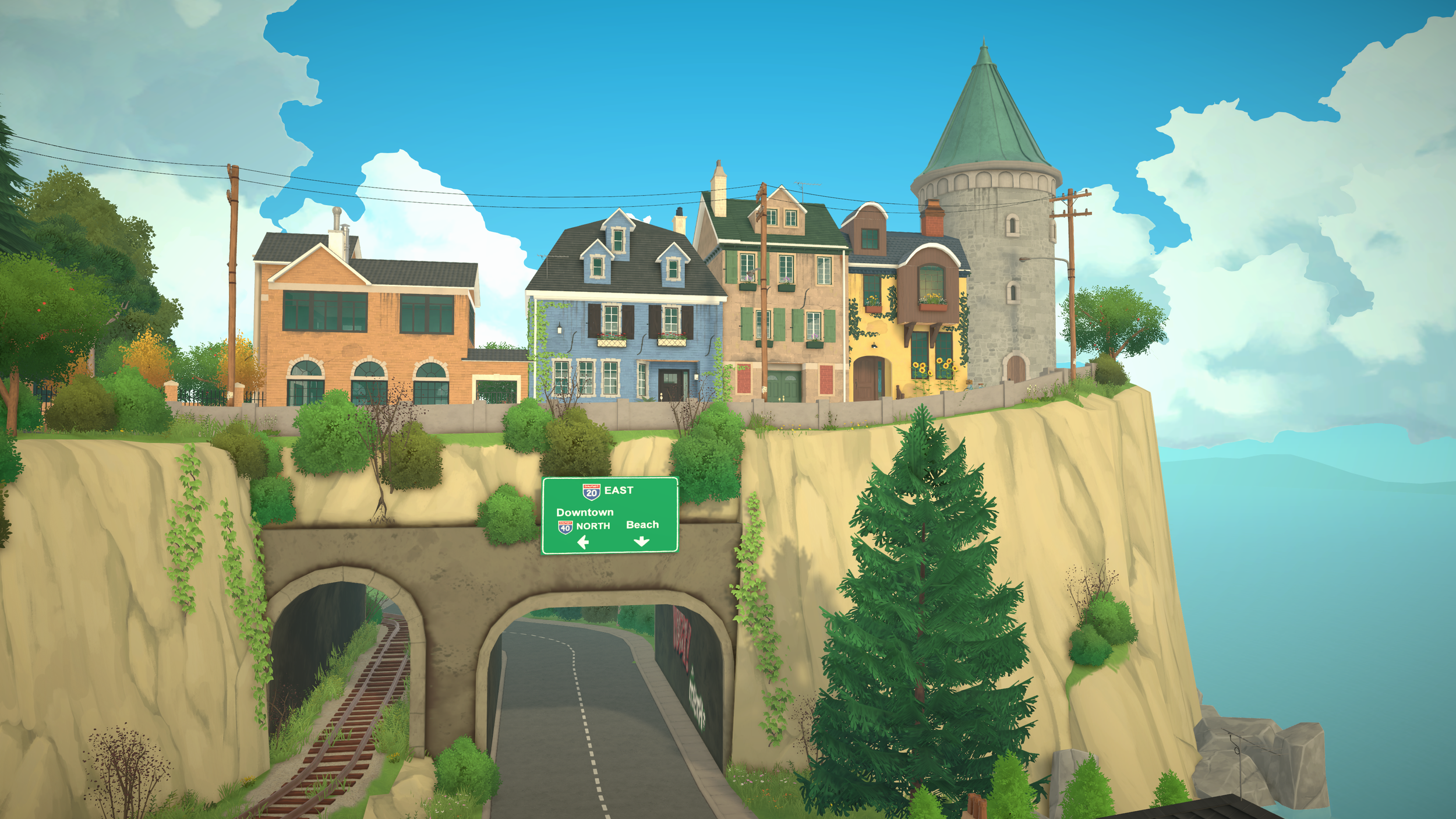
This is the first thing you'll notice — these games look like they're from different universes.
Paralives: Low-Poly Cozy
- Warm, inviting aesthetic — Soft colors, rounded shapes, everything just feels... nice? It's hard to explain but it's instantly charming.
- Low-poly 3D models — Stylized characters and environments that prioritize looking good and readable over trying to be "realistic."
- Low hardware requirements — Runs smooth on older GPUs. GTX 1060 is all you need for recommended specs. Your laptop from 2016 can probably handle it.
- Consistent art direction — Everything shares the same visual language. The world feels cohesive in a way that hyper-realistic games sometimes struggle with.
InZOI: Hyper-Realistic
- Photorealistic rendering — Unreal Engine 5 doing its thing. Ray tracing, subsurface scattering, lighting that looks like it's from a movie. Screenshots are genuinely jaw-dropping.
- Cinematic character models — Characters look like actual people. Detailed skin textures, hair physics, facial animations that can get scarily real.
- High hardware requirements — You need at minimum an RTX 2060. Recommended? RTX 4070 or better. Hope your wallet's ready.
- Occasional uncanny valley — Sometimes the realism pushes too far and your ZOIs look... slightly off. Like they're staring into your soul. It happens.
The verdict: This one's totally subjective, honestly. Paralives' cozy low-poly style is warm and timeless — it ages well and basically any PC can run it. InZOI's photorealism is stunning and immersive — but you need a beast of a PC and realistic graphics tend to show their age faster as tech moves on. Neither is objectively better; they're just totally different artistic choices. Pick the vibe that speaks to you.
Building Comparison
Both games let you build, but if you're a builder you're gonna feel the difference immediately.
Paralives Building
- Grid-free placement — No grid. At all. Put walls, furniture, anything at any angle, any position. Total freedom.
- Curved walls — Arched doorways, round rooms, organic architecture that just isn't possible in grid-based builders.
- Resizable furniture — Sliders to adjust dimensions of any object. Make that couch exactly the right size.
- Full color wheel — RGB picker for every surface plus 4-zone material regions. The customization here is ridiculous.
- Split-level floors — Lofts, sunken living rooms, multi-level interiors on a single story. Builders, you know this is huge.
- Measuring tape tool — Real-world dimensions as you build. Finally get those proportions right.
InZOI Building
- Flexible but grid-adjacent — More freedom than Sims 4, but there's still a semi-grid system happening in the background.
- High-detail objects — Photorealistic furniture with PBR materials that looks incredible up close. Your screenshots will be fire.
- Pre-built templates — Quick-drop rooms and layouts for when you don't wanna build from scratch. Valid choice.
- Custom textures — AI-powered texture generation for custom surfaces and patterns. Pretty cool tech honestly.
The verdict: Paralives takes building freedom, no contest. Grid-free, curved walls, color wheel, resizable furniture — the tools give you way more creative control over what you're actually making. InZOI buildings look more realistic in screenshots because of the graphics engine, but Paralives lets you build more interesting and unique structures period. If your main reason for playing a life sim is building stuff, Paralives is the clear winner here.
Gameplay Depth
Both games are still in Early Access so things are changing, but you can already see where each one's headed.
Paralives Gameplay
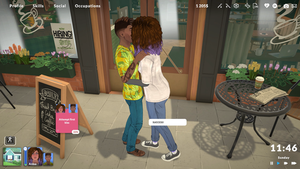
- Together Cards — Card-based social system that creates these wild, unpredictable relationship moments between your Parafolks. Honestly one of the most unique mechanics I've seen in any life sim.
- 3 Storytellers — Stella (chill mode), Maxence (balanced), or Ricardo (hardcore). Lets you pick how much chaos you want in your game.
- Story Cards — End-of-day summaries that track your Parafolk's life like a personal journal. I didn't expect to get attached but here we are.
- 112 personality traits — Vibes, Talents, Social Perks, Lifestyles... your Parafolk actually feels like a person with their own deal going on.
- Open world — Walk anywhere in Melino, no loading screens. Seamless exploration just feels better.
- Genetic inheritance — Dominant/recessive genes for skin, hair, eyes that can skip generations. Legacy players, this is for you.
InZOI Gameplay
- Social simulation focus — Deep NPC AI with complex social networks across the whole city. NPCs have actual lives and relationships independent of you.
- City life emphasis — Dense urban environments, busy streets, public transit, neighborhoods that feel alive.
- Career simulation — Detailed career paths with workplace events and colleague relationships. More depth here than Paralives currently has.
- Photo mode — Insane photography tools that leverage those photorealistic graphics. If you love taking pretty screenshots, this is your jam.
- Catalyst system — City-wide events and trends that affect everyone simultaneously. Creates cool "moment in time" feelings.
The verdict: Paralives is all about personal storytelling. Together Cards, Storytellers, Story Cards — everything pushes you toward creating meaningful stories about individual households. InZOI is more about the visual experience and city-wide social dynamics — beautiful cinematic moments and complex NPC societies. Want deep character-driven stories? Paralives. Want gorgeous screenshots and a living breathing city? InZOI.
Performance & Accessibility
Okay this one matters more than you'd think, especially if your PC isn't brand new.
| Spec | Paralives | InZOI |
|---|---|---|
| Minimum GPU | GTX 960 | RTX 2060 |
| Recommended GPU | GTX 1060 | RTX 3060+ |
| RAM | 8 GB | 16 GB |
| Storage | 8 GB | 50 GB+ |
| Mac Support | Yes (native) | No |
| Steam Deck | Playable | Not supported |
Why This Matters
Real talk: Paralives runs on hardware from like 2016. InZOI needs stuff from 2020 at a minimum. If you've got a mid-range or older PC, Paralives is literally your only option between these two. Also the storage difference is wild — 8 GB vs 50+ GB. If you're tight on drive space, that's not nothing.
The verdict: Paralives destroys InZOI on accessibility. Runs on older hardware, way less storage, has Mac support, even works on Steam Deck. InZOI's gorgeous graphics come at a serious hardware cost that locks out a ton of potential players. If you don't have a modern gaming rig, this isn't even a choice — Paralives it is.
Verdict: Which Should You Choose?
Choose Paralives If…
- You're rocking a mid-range or older PC — Paralives runs smooth on GTX 1060-level hardware
- You live for building freedom — grid-free, curved walls, color wheel, resizable furniture... builder's paradise
- You're done with paid DLC models — Paralives promises everything future is free. No $40 pack every 3 months.
- You play on Mac — Native Mac support day one. InZOI can't say that.
- You prefer that cozy, charming aesthetic over trying to look photorealistic
- You want deep personal stories — Together Cards and Story Cards create unique narratives you actually care about
Choose InZOI If…
- You've got a beast of a gaming PC — RTX 3060+ minimum to really see what InZOI can do
- Graphics are everything to you — photorealistic rendering and cinematic visuals are your priority
- You want that realistic art style — real-world aesthetics over stylized charm
- You're into urban social simulation — city dynamics, complex NPC networks, living breathing cities
- You love photo modes — taking and sharing gorgeous in-game screenshots is your thing
Honest take: Paralives and InZOI aren't even really competing for the same players — they're two completely different visions of what a life sim can be. Paralives is for builders, storytellers, people who value creative freedom and being able to actually run the game. InZOI is for visual enthusiasts with powerful PCs who want the most realistic life sim experience possible. Both are worth playing honestly, but if you gotta pick just one? Let your hardware and your art preference decide. That's gonna be the tiebreaker.
Screenshots