Table of Contents
How the Mood System Actually Works
Okay so Paralives runs on this three-layer emotional engine that's way deeper than it looks at first glance. You've got your Core Needs (the five bars we all know), your Emotion (the big feeling that dominates right now), and then Moodlets (little buffs and debuffs stacking on top). Figure out how these three layers talk to each other and you've basically cracked the code for keeping your Paras happy, productive, and not miserable.
Here's why this matters: mood bleeds into EVERYTHING. Career performance? Affected. Relationship success? Affected. How fast you learn skills? Yep, affected too. Even what Together Cards show up in social interactions — all tied to emotion. A stressed Para is gonna bomb at work AND strike out in conversation. A confident, energized one? They're crushing both.
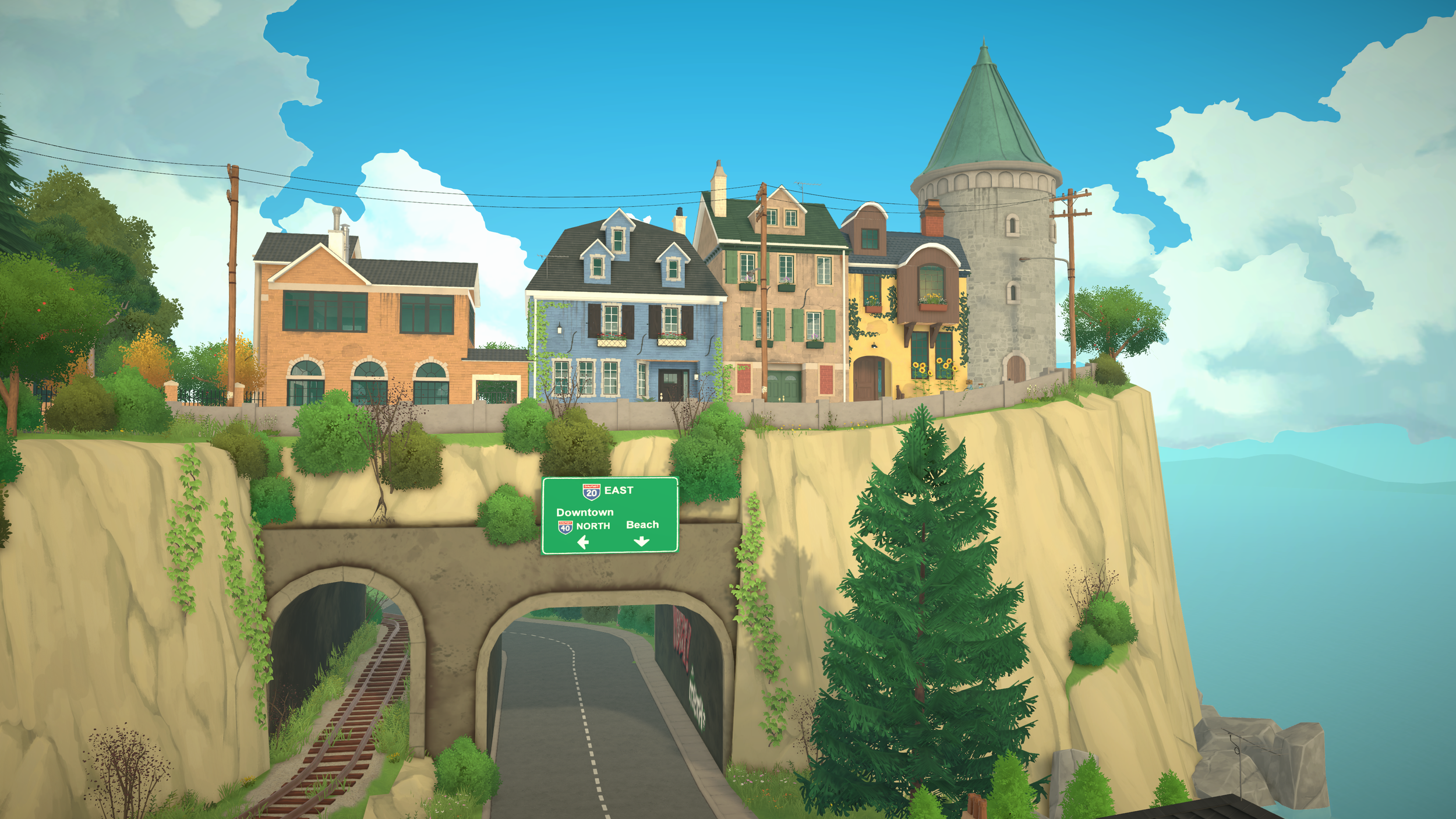
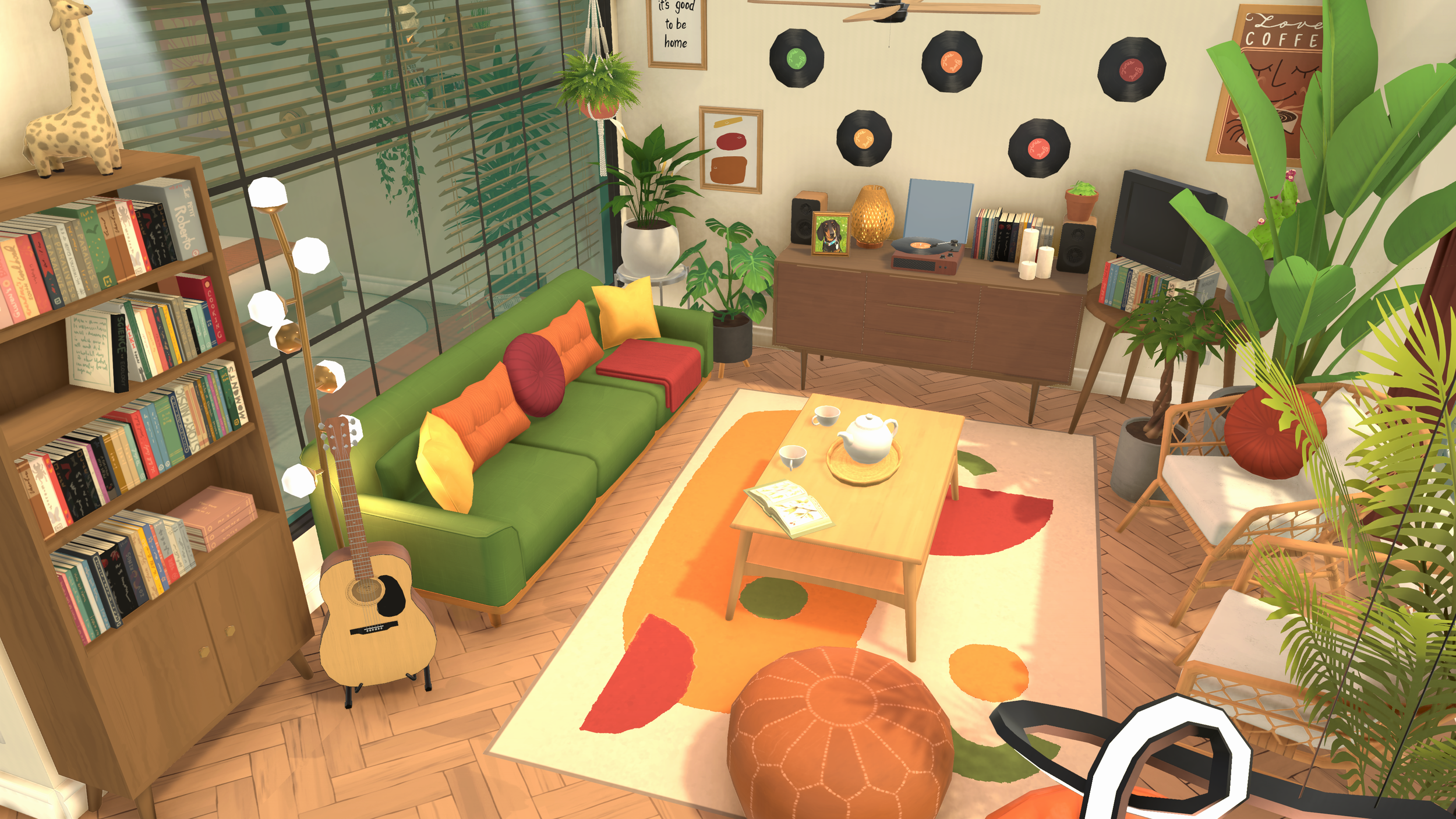
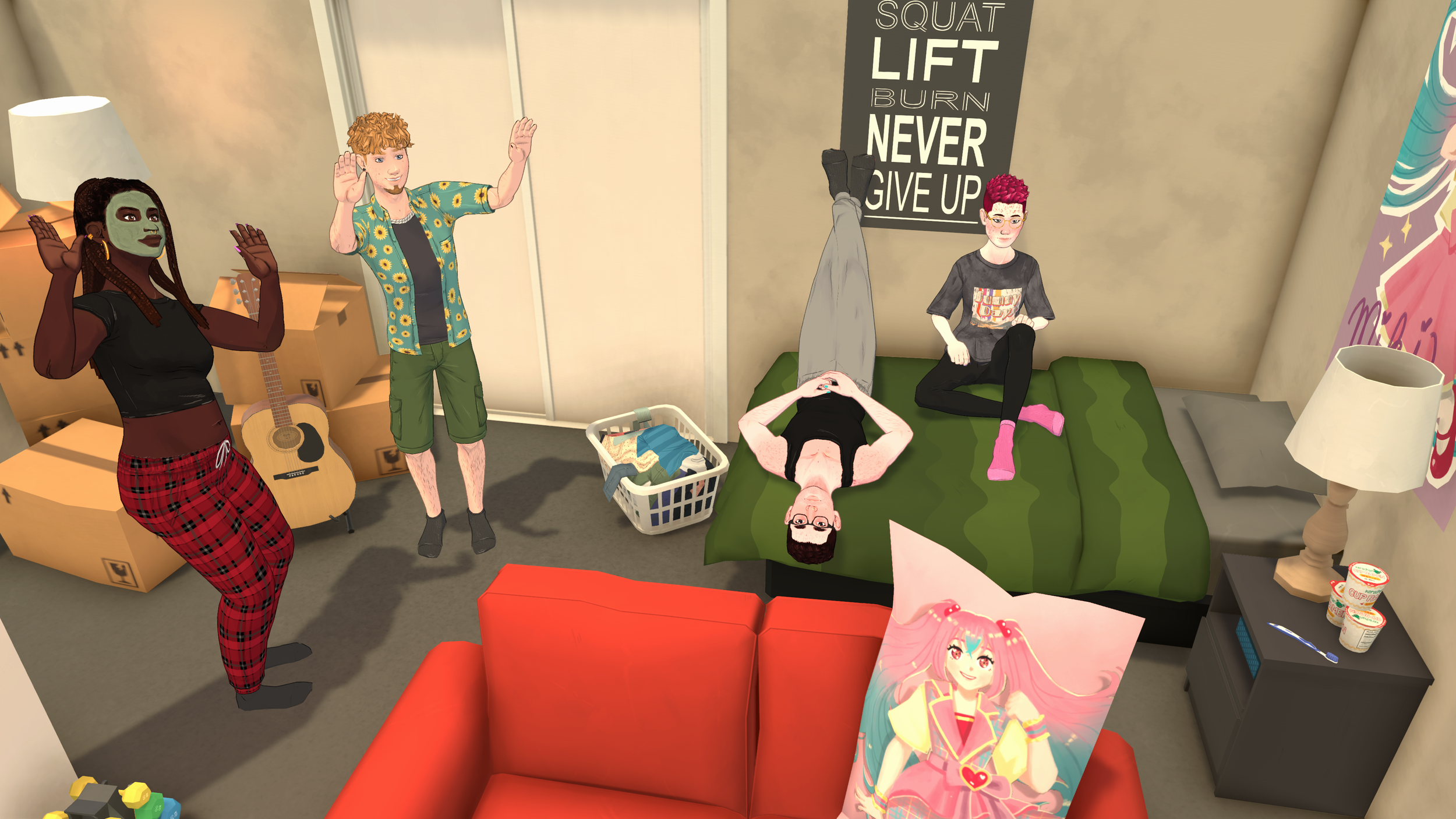
The Three Layers of Mood
Needs = The survival bars (Hunger, Energy, Social, Fun, Hygiene) · Emotion = Your Para's dominant feeling right now · Moodlets = Individual buffs/debuffs from specific stuff that happened
The 5 Core Needs
| Need | Icon | What Drains It | How to Fill It |
|---|---|---|---|
| Hunger | Time passing, physical activity | Eating meals, snacks, cooking quality food | |
| Energy | Physical actions, working, exercising | Sleeping, resting on couch, taking breaks | |
| Social | Time passing, isolation | Talking, playing Together Cards, group activities | |
| Fun | Time passing with no entertainment | Watching TV, playing instruments, reading, hobbies | |
| Hygiene | Physical activity, time passing | Showering, bathing, washing hands |
Pro tip on needs: Quality matters more than speed. Cook a proper meal instead of shoving down a quick snack — it'll keep your Para satisfied way longer. One good home-cooked meal can carry them through most of the day. Fast food's a bandaid that falls off in like an hour.
All Emotions in Paralives
Your Para's dominant emotion shifts constantly based on their needs, what's happening around them, and who they've been talking to. This isn't just cosmetic — the current emotion changes what actions feel natural, which cards pop up socially, and how well they perform at basically everything.
Happy
All needs satisfied
Angry
Unmet needs, conflicts
Bored
Low Fun need
Sad
Unmet Social/Emotional needs
Amused
Fun need well-satisfied
Fire (Panic)
Emergency situations
Fear
Danger, horror events
Sick
Illness or food poisoning
Disgust
Bad food, unpleasant situations
Sleepy
Low Energy need
Flirty
Romantic interactions
Embarrassed
Social mishaps, awkward events
Inspired
Creative activities, art success
Anxious
Stress, unmet needs
Stressed
Multiple unmet needs
Moodlets Explained
Moodlets are where things get interesting. These are individual modifiers that stack on top of your base emotion. Unlike the main emotion (which is usually just one thing), you can have a bunch of moodlets active at once, and they all combine into this complex emotional soup.
Some examples you'll see all the time:
- Well-Fed: +25% confidence for 4 hours after a decent meal
- Energized: +20% work performance for 2 hours after good sleep
- Lonely: -15% to social interaction success when Social dips below 30%
- Romantically Interested: +30% Pink Card success with whoever you're flirting with
- Mentally Exhausted: -40% skill gain speed from working too long without breaks (I've been here too many times)
- Naturally Inspired: +35% creative skill gain — random proc but always welcome
- Socially Satisfied: +20% positive interaction success after quality hangout time
Stacking is king: Positive and negative moodlets stack. So a Happy Para with "Well-Fed" AND "Energized" active is gonna massively outperform someone who's just baseline Happy. Plan your daily routine around stacking buffs before important stuff — work, dates, skill grinding, whatever.
Emotional Triggers
If you want to manage emotions proactively (and you should), here's what actually triggers each one:
- Relationships: Good interactions give confidence moodlets. Bad ones dump stress or sadness on you. Pretty realistic honestly.
- Skill Success: Finish a painting? Cook a great meal? You get an "Accomplished" moodlet. Feels good man.
- Work Performance: Hit your daily goals = confidence boost. Fail 'em = stress debuff. Simple.
- Story Cards: End-of-day cards give moodlets reflecting how your day went. Good day = good moodlet.
- Weather: Sunny days give positive moodlets. Storms make Paras anxious. (Full seasons aren't in yet but weather effects are.)
- Town Events: Showing up to community events gives social satisfaction moodlets. Free happiness basically.
- Collectible Finds: Digging up rare stuff triggers "Excited" moodlets. Who doesn't love finding treasure?
Actually Keeping Your Paras Happy
- Build a daily rhythm. I'm serious — consistent eating/sleeping/hygiene schedules prevent those catastrophic need crashes where suddenly everything is red and your Para is melting down. A structured day naturally keeps emotions positive.
- Cook real meals. Not instant ramen. Use the stove, make something proper. The longer satisfaction duration saves you time overall because you're not constantly micromanaging hunger.
- Batch your social time. Instead of ten tiny 5-minute convos, do one solid 2-hour hangout. Way stronger positive moodlets. Quality over quantity every time.
- Match activities to mood. Trying to paint when your Para is Bored? Garbage results. Save creative stuff for when they're Amused or Inspired. Read the room.
- Fix bad moodlets BEFORE big events. Don't try to romance someone while your Para is Stressed or Sad. Clear the debuffs first, then go for it.
- Town Events are OP. Seriously, events bundle social + fun satisfaction into one package. Super efficient if you've got a busy schedule.
- Let autonomy handle easy mode. When your Para's already in a good place, let free will take care of the basics. Save your manual intervention for when things start sliding south.
Storyteller Influence
The Storyteller you picked at the start isn't just flavor text — it directly changes how brutal the emotion system is:
- Stella (Cozy): Dials down negative emotions. Stress and anxiety hit softer. Pick this if you just wanna chill and not stress about need management.
- Maxence (Balanced): Standard intensity. Positives and negatives both feel natural. Good middle ground for most players.
- Ricardo (Challenging): Cranks EVERYTHING up. Negative emotions hit harder, needs decay faster. For masochists who want every in-game day to feel like survival mode. Respectably brutal.
Story Card Connection
End-of-day Story Cards are basically a mood report card. Had a great day with full needs and positive interactions? You'll get encouraging, growth-oriented cards. Spent the whole day stressed with empty need bars? Prepare for challenging cards that reflect that mess. The quality of your daily mood literally writes tomorrow's story.