Table of Contents
- Customize Day Length for Your Playstyle
- Use Bus Travel as Strategic Planning
- Build Multi-Skill Routines
- Master Combo Label Farming
- Optimize Career Perks for Passive Income
- Stack Moodlets Before Big Events
- Use Town Events as Skill XP Multipliers
- Plan Genetics Across Three Generations
- Leverage Autonomy as a Management Tool
- Use Story Cards as Strategic Planning Tools
Okay, You've Got the Basics Down
You've figured out needs management, you know how relationships work, your skills are leveling up nicely. Now it's time to stop playing Paralives and start optimizing it. These 10 strategies took me 40+ hours of gameplay to figure out, and they've completely changed how efficiently I play. If you want to squeeze every drop out of the game's systems, this is where you need to be.
Tweak Day Length Until It Feels Right (Then Tweak It Again)
The default day speed is... fine. But "fine" isn't optimal. If you're feeling rushed all the time, bump day length by 20-30%. Your Paras get more time for skill grinding, socializing, and actually enjoying their lives without the constant treadmill feeling. On the flip side, if things feel too slow and you want faster aging and career progression? Shorten the days. I've experimented with both extremes and settled on about 25% longer than default — it's the sweet spot where I never feel rushed but time still has meaning.
`n`nUse Bus Routes as Your Daily Strategy Backbone
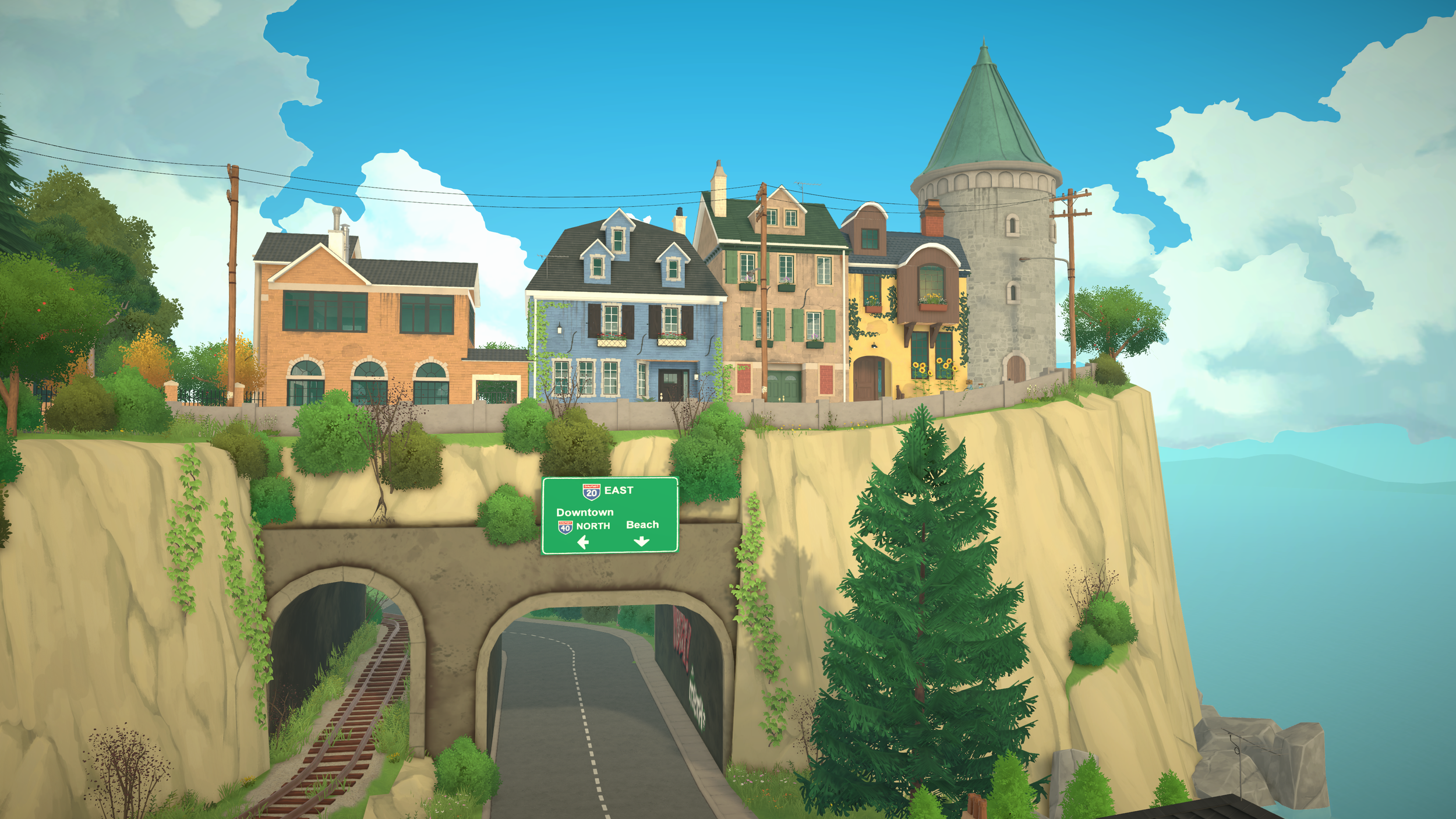
This sounds minor but it's actually huge once you internalize it: plan your entire daily schedule around bus stops as waypoints. Instead of walking directly from A to B, route through bus stops that align with what you need to do. Example from my current save: bus to Mountain Top for Astronomy Club → bus to Old Town for shopping/gym → bus home. All in one morning. Cuts travel time by like 60-70% compared to walking everywhere. The key insight is treating bus stops as a route-planning tool, not just a convenience.
`n`nBuild a Multi-Skill Practice Corner
Here's a meta strat that compounds over time: set up a single room in your house with multiple skill-building objects within reach of each other. Keep a guitar next to your desk so while food cooks you can practice music. Put bookshelves near your painting easel for quick study between paintings. Have a yoga mat in the same area for exercise breaks. These micro-optimizations — using dead time between actions to build different skills — add up to dramatically faster overall progression. My Para hit level 8 Cooking AND level 6 Painting in half the time it took my first playthrough.
`n`nFarm Combo Labels Deliberately (Don't Just Wait for Them)
Most players let Combo Labels happen organically. Don't do that. Engineer them. If you want "Work Besties" (Coworker + Friend combo), deliberately schedule social time with a coworker outside work hours until both labels hit Level 5+. The combo unlocks and you get permanent career collaboration bonuses. Target 2-3 specific combos per household based on what perks you want. This is probably the single most underrated optimization in the relationship system — intentional combo farming is WAY faster than passive growth.
`n`nPrioritize Passive Income Perks at Every Promotion
When Job Perk Cards pop up at promotions, there's a clear hierarchy of value. "Performance Bonus" and "Work From Home" are king and queen respectively. A 10% daily pay bonus compounded over an entire career (we're talking 30+ in-game years) adds up to generational wealth. WFH perks eliminate commute time entirely, freeing up hours per day for skills and socialization while still earning full pay. Always take these first. The flashy one-time bonus perks look tempting but they don't compound.
`n`nStack Moodlets Like Your Life Depends On It (Sometimes It Does)
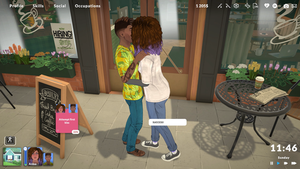
Before any critical interaction — asking someone out, promotion review, important Together Card play — spend the morning building a moodlet stack. Well-cooked breakfast = Well-Fed. Shower = Refreshed. Quick nap = Energized. Short painting session = Inspired. A Para sitting on 4-5 positive moodlets has dramatically higher success rates on Pink Cards, career interactions, and basically anything with a percentage roll. I've tested this extensively and the difference between a "neutral mood" Para and a fully stacked one is honestly broken. Use it.
`n`nTown Events Are Secretly the Best Skill Grinds in the Game
You know those Town Events I told you not to skip as a beginner? They're even more valuable once you understand the math. Astronomy Club (Mon/Wed/Fri) at Mountain Top gives the fastest Astronomy XP in the game — faster than studying at home. Yoga Class (Tue/Thu/Sun) gives Exercise AND Dance XP simultaneously. Jogging Club gives outdoor Exercise XP with social benefits. Plan your skill grind schedule AROUND the event calendar and you're essentially double-dipping on XP every week. Free skill gains + social time = pure efficiency.
`n`nThink Three Generations Ahead With Genetics
This is deep-end optimization territory but hear me out. The gene system uses dominant/recessive mechanics, which means traits can skip generations. A grandparent's eye color might show up in a grandchild but not the parent. By carefully selecting parents with compatible recessive genes in your founding generation, you can engineer what your great-grandkids will look like before they're even born. I planned a specific facial structure across three generations and it worked exactly as intended. It's like playing the long game on hard mode and it's incredibly satisfying when it pays off.
`n`nStop Fighting Autonomy — Make It Work FOR You
Here's a mindset shift that changed everything for me: autonomy isn't something to manage around, it's a delegation system. Crank autonomy high for boring routine stuff (eating, sleeping, basic hygiene) and let your Paras handle their own survival needs. Then drop back to direct control for high-leverage activities: career shifts, targeted skill practice, important social interactions, Story Card decisions. This hybrid approach means your household runs itself 80% of the time while you focus attention on the 20% that actually matters. Way less micromanagement fatigue.
`n`nRead Your Story Cards Like a Weather Forecast
End-of-day Story Cards aren't just flavor text — they're literally telling you what's coming. Consistently getting "Growth" cards? Double down on skills, the game's rewarding that path. Lots of "Social" cards? Your relationship focus is paying off, keep at it. Seeing "Challenge" cards? Brace yourself, tomorrow might bring a difficult event that tests your household management. Treat Story Cards as intelligence data and adjust your strategy accordingly. The game's narrative system is more predictive than most people realize.
`n`nWelcome to the Deep End
These strategies represent the meta layer of Paralives optimization. Combine enough of them and you'll notice the game starts playing differently — less reactive, more strategic. The real endgame isn't maxing every stat, it's reaching a point where you understand the systems deeply enough that you stop thinking about them and just... play well. That's when Paralives gets really good.